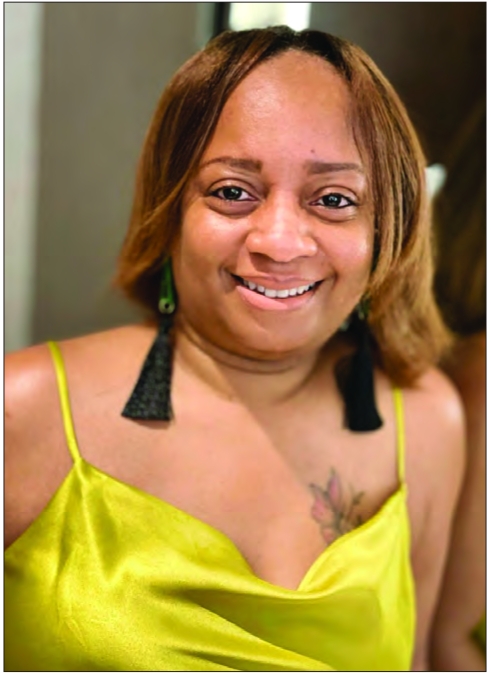
Tonya Pledger started her entrepreneurship journey because of her personal health experiences. 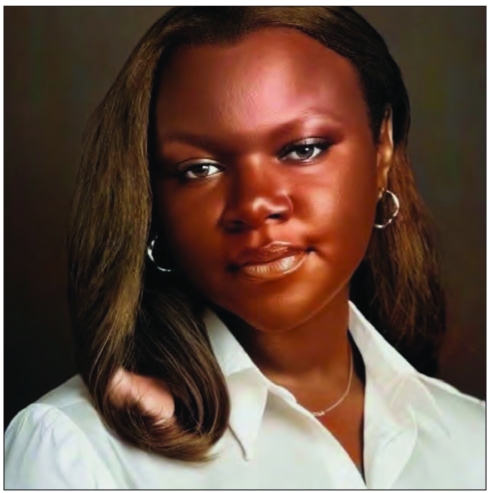
Jenaba
Sow is the co-founder of WeNite, an education tech startup that
partners with HBCUs to help modernize outdated processes using digital
solutions.
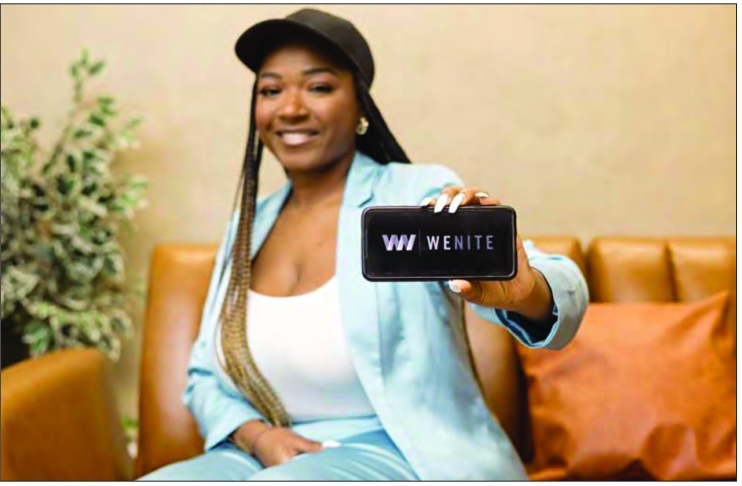
Anatasia Johnson is an entrepreneur whose experience as a college student helped her create the idea for her business.
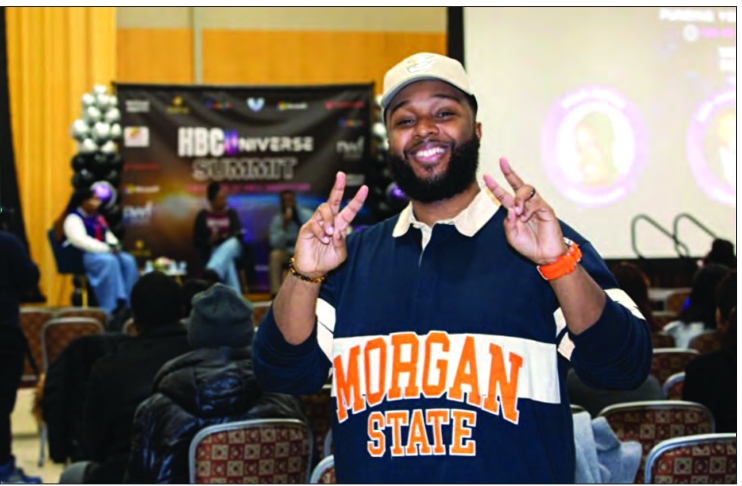
Kiante
Bush is an entrepreneur with a passion for helping college
entrepreneurs at HBCUs get life-changing opportunities for their
businesses.
From holistic health ventures to tech startups, a new wave of Black business owners are proving that entrepreneurship is far from a monolith.
Tonya Pledger, founder of Love Your V by T, represents a growing movement in wellness entrepreneurship that elevates Black women’s health. Her business, which began in her home, offers holistic yoni steaming and now operates out of three locations in the Washington, D.C., Maryland and Virginia area.
According to the Cleveland Clinic, yoni steaming is an ancient holistic practice where a woman sits or squats over a bowl of steaming water with herbs. Though researchers say there is no concrete evidence of benefits, the act of steaming with herbs is believed to promote healing, improve circulation, ease menstrual discomfort and support reproductive health.
“Yoni steaming is a natural way to support women’s health and healing,” Pledger said. “It helps you relax physically, mentally and spiritually and it can be a powerful tool for womb wellness.”
Her personal experience inspired her to share the benefits of yoni steaming and encourage other women to explore holistic approaches to their health.
“Going through my own journey has helped me to grow to love and embrace women’s health and natural wellness,” Pledger said.
“One of the mistakes I made was getting a hysterectomy too soon, not knowing what I know now. If I had been involved in this sooner, I may have saved what God gave us to maintain life.”
Pledger transitioned from working full-time to running her business independently, a shift she describes as both spiritual and strategic.
“The biggest shift for me was realizing that everything fell on me … It was me and God,” she said. “When I wrote my vision down and made it clear, everything started to fall together.”
On a different end of the entrepreneurial spectrum, Kiante Bush is the founder and CEO of “Venture for Them,” a tech-focused
startup accelerator designed to uplift entrepreneurs from historically
Black colleges and universities (HBCUs). His mission is to connect young
Black founders with funding, mentorship and visibility in a tech world
that often overlooks them.
“Our
main goal is to support early-stage HBCU entrepreneurs…and connect them
to venture capital, C-suite mentors and non-dilutive funding,” Bush
said. “I grew up around entrepreneurs, and I wanted to create a space
where I could invest in those around me too.”
Bush says learning to lead collaboratively was a game changer.
“I
had to learn how to let go of control…to let others in on the vision,”
he said. “That helped expand the business significantly.”
As Bush and his team grow the venture, they’ve had to make strategic decisions about who they work with.
“All
money isn’t good money,” he said. “Some partnerships that didn’t work
out ended up being protection from organizations that weren’t truly
aligned with our mission.”
Meanwhile
for Anastasia Jackson and Jenaba Sow, co-founders of the education tech
startup WeNite, entrepreneurship is about transforming broken systems.
Their company partners with HBCUs and emerging research institutions to
help modernize outdated processes using digital solutions.
Jackson’s
experience as a transfer student at Howard University — where
administrative failures left her temporarily homeless — shaped the
company’s mission.
“That
experience made me realize this was bigger than me,” she said.
“Technology could lift the burden from both students and overworked
faculty.”
The co-founders said staying grounded in their mission has been their greatest challenge and reward.
“In
the startup space, a lot of people are focused on exiting—not impact,”
Sow said. “ For us, it’s always been about building with community and
for community.”
Together,
these founders are reshaping how entrepreneurship looks and feels in
Black communities. They are not only solving problems—they are
reimagining systems.
“We’re building a legacy,” Plegder said. “And we’re doing it our way.”
This article first appeared in the Afro.


