It’s been a great summer,
but don’t let the pleasant weather catch you off guard. It’s time to
prepare your home for the fall and winter weather to come.
1. Clean the exterior glass. As
the weather cools it becomes more difficult to dry the windows because
cold air cannot hold as much moisture as warm air and the glass will
streak. You can clean the inside any time of the year.
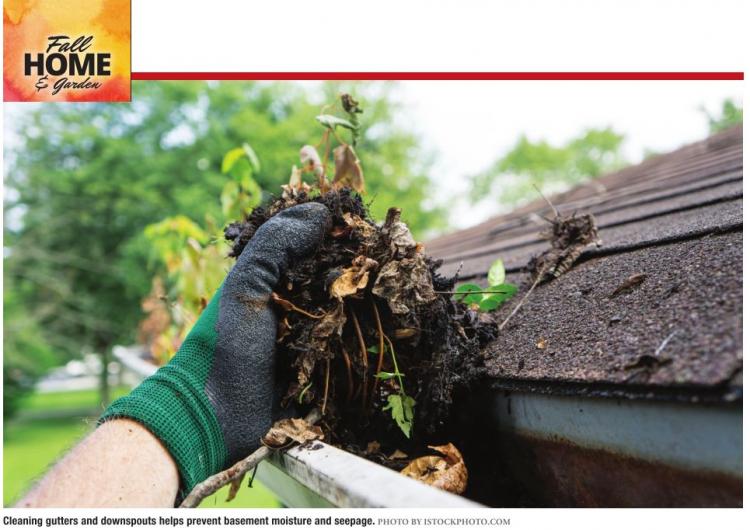
2. Make sure gutters and downspouts are clean and
that runoff water drains at least six feet from the foundation. Water
that pools next to the foundation can seep to the interior of the
crawlspace or basement.
3. Inspect and recaulk, if
necessary, around all exterior window and door frames. Loose or missing
caulking allows air to penetrate the wall, which increases your utility
costs. A typical home with no exterior caulking allows so much air to
enter that it is like having a window open all year long.
4. Use a quality silicone caulk to seal cracks in all exterior concrete pads. Driveways,
walks and most patios have “control joints” or lines purposely made in
the concrete to control the cracking that will eventually occur. Cracks
that are open can absorb rain and snowmelt and when the water refreezes
it can lift the concrete at the joint or cause the cracks to widen.
5. Inspect the crawlspace area of the home by entering the crawl.
If you are unable to crawl under your home, hire a licensed
professional home inspector. Check for loose or missing insulation on
the perimeter walls and rim joists. Make sure that all soils or gravel
on the floor of the crawlspace are covered with a 6-mil or heavier
plastic vapor barrier and that all seams are lapped and are sealed with
tape. Check under the bathrooms and kitchen for signs of leaks or decay
to the flooring. All ductwork should be taped and sealed at all joints
and seams. Remove all debris from the crawlspace and insulate and add a
seal to the crawlspace door.
6. If you have a wood-burning appliance, make sure the chimney is inspected by a certified chimney sweep. A well-used chimney will need to be cleaned and inspected at least twice a year.
7. Remove outdoor hoses. A
hose left on an outdoor faucet can freeze and burst through the faucet
supply pipe inside the home. You can check for a broken faucet by
placing your thumb over the faucet to restrict water flow. If the flow
stops, you have a broken faucet.
8. If you have a sprinkler or garden watering system, shut off the water supply
and clear the lines using an air compressor blowing out one zone and
then another. If you don’t have the equipment, have the system
winterized by a professional.
9. Check the insulation in the attic to make sure it is sufficient. Your local building official or a
home inspector can give you an estimate on the amount of insulation
required in your area. Loose fill fiberglass insulation can be blown
into piles by winds coming through the soffit vents, or loose fill
insulations can be compressed and damaged by walking on the insulation.
Workers in an attic often leave a trail where they have walked. Evenly
redistribute or add insulation where needed. Check for openings in the
insulation where there are bulkheads on the interior of the home. A
bulkhead is a dropped ceiling for kitchen and bathroom cabinets or over
stairways. You may find the vertical walls of the bulkheads are exposed
and opened to the cold attic air.
10. Change furnace filters every
two to three months depending on the quality of the filter and the
amount of dust in the environment where you live. A dirty filter can
damage the furnace fan and increase your utility costs. Attach a “filter
change” card to the furnace to record the date when the filter is
changed. Note the airflow arrow on the filter and install the filter in
the proper direction.
C.
Dwight Barnett is a certified master inspector with the American
Society of Home Inspectors. Write to him with home improvement questions
at C. Dwight Barnett, Evansville Courier & Press, P.O. Box 268, Evansville, Indiana, 47702 or email him at [email protected].