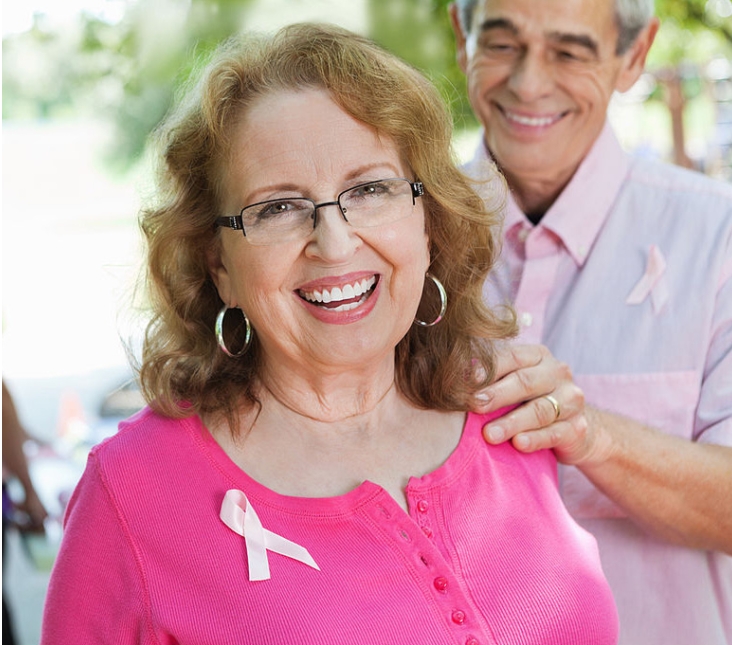
Supporting a spouse with breast cancer
About one in eight women in the United States will develop invasive breast cancer in her lifetime, according to the American Cancer Society. It’s the most common type of cancer American women develop.
In addition to the physical toils of cancer and treatment, the emotional effects of cancer can be devastating. A support system, especially from a spouse or significant
other, helps greatly, said Feist-Weiller Cancer Center’s Jo Ann Stewart.
Stewart, a registered nurse, started a support group for cancer
patients with a coworker 11 years ago. The support group continues to
provide a safe, open place to talk about the effects of cancer.
“As
women, part of us is very private. In a situation where you have
cancer, you need to think about letting someone in so they can be there
for you. The healing process can go better,” she said. She said talking
about what you’re going through as a patient with cancer may seem
difficult, but it’s incredibly important for the grief process.
Stewart
said that one of the most influential roles a spouse or significant
other can play in cancer treatment is emotional support. Stewart
recommends going to appointments with your spouse, providing comfort and
helping understand treatment and medicines.
As a
spouse/significant other, Stewart said it’s helpful to learn as much as
possible about different medicines and treatments and their side
effects, so you can best know how to help.
“Be encouraging, and try not to make her feel like it’s a burden,” she said.
Communicating
about the disease is also important as a spouse/significant other, not
just for practical reasons, such as treatment, but also for emotional
reasons.
“It’s a journey someone goes through.
Ask
them how they want to talk about it,” Stewart said. It can be difficult
to talk about and process something as daunting as cancer, so a support
group, such as the one at Fesist-Weiller Cancer Center at LSU Health
Shreveport, can help provide a space for this discussion.
Finding
anything to make the treatment process easier for your spouse is
helpful. Recipes stocked with cancer-fighting foods can help. “The Pink
Ribbon Diet: A Revolutionary New Weight Loss Plan to Lower Your Breast
Cancer Risk” features recipes with extra virgin olive oil, which may
help lower the risk of developing breast cancer, according to research
from University of Navarra in Pamplona, Spain.
A local recipe guide, “Smoothies for When You are Down and Out,” features smoothies
with fruits and vegetables to help cancer patients as they go through
treatment. Written by Feist-Weiller Cancer Center’s Sue Crow, a
registered nurse, the book is $15 and available online.
Helping
around the house, especially if your spouse/significant other with
cancer once did most of the cleaning, allows patients to rest as they
heal. If a woman doesn’t have to worry about some of her daily
obligations, it can ease her mind as she deals with the bigger stressor:
her disease.
Considering
the outer physical damages of cancer can help you become more
understanding to what your spouse is experiencing, Stewart said. She
said that a problem for women in her support group is feeling
uncomfortable after going through a mastectomy, especially if they have
to wait a period before reconstructive surgery. She said they often feel
like they’ve lost something. Thinking about and understanding all the
side effects of cancer can help you be a better caregiver and comforter.
Overall, Stewart recommends serving as a positive influence for your spouse during breast cancer (and all cancer) treatment.


