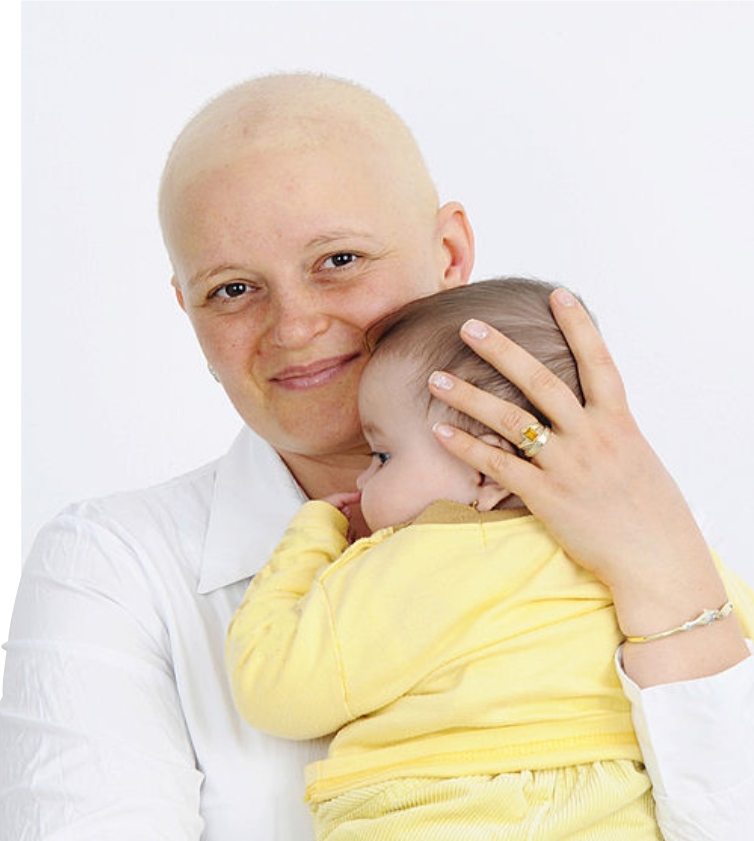

What to expect during chemotherapy for women
It’s an experience that no woman anticipates or comes readily equipped to manage; a cancer diagnosis and chemotherapy treatment can seem ominous and overwhelming, but having a steady support system and thorough understanding of what to expect may help to ease worry. A common fear with undergoing chemo is the element of uncertainty. Darcey Pavlick, Cancer Treatment Center manager at CHRISTUS Health Shreveport-Bossier, stated that educating patients and giving them the necessary information aims to fight any fears.
“One of the most common fears of chemo is nausea,” said Pavlick. “Some chemo drugs are more likely to cause nausea than others; however, today there are many great anti-nausea drugs that are given IV prior to administration of the chemotherapy. We also educate our patients on medications they are given to have at home to manage nausea. Knowing how to use them, as well as eating small, frequent meals and maintaining hydration, is also the key to managing this side effect.”
“Another difficult side effect of chemo that affects a lot of people is the fatigue that one can experience following chemo,” Pavlick continued. “Chemo not only attacks the cancer but also attacks normal cells in the body and, therefore, can cause extreme fatigue. We encourage patients to continue with their daily functions as they feel up to it and try to exercise. The most important thing is for them to listen to their body and know when they need to rest.”
Chemotherapy can have significant effects on a woman’s body physically, but the challenges can also run over into their mental well-being.
“Sometimes
this can be hard on women who play a certain role in their family and
not be able to do all of the things they used to. This can affect many
women mentally. As a chemo RN, we make sure to assess the patient’s
psycho-social being as well as their physical side effects,” Pavlick
said.
Many
are aware that the loss of hair is a common side effect to chemo, but
for women the effects reach far beyond an outward appearance.
“Some
but not all of the chemos can cause alopecia, hair loss,” said Pavlick.
“Hair loss can include the eyebrows and eyelashes. Some of the
treatments for breast cancer can cause early signs of menopause like
vaginal dryness, changes in menstrual cycle, and/ or sexual dysfunction.
Chemotherapy can also cause dry skin and darken/yellow nails. If you
are of childbearing age, you should discuss pregnancy prevention with
your physician prior to receiving chemotherapy.”
The
period in which someone endures chemotherapy treatment can be different
in relation to the stage in which their diagnosis is caught.
“There
are many different treatments for breast cancer,” said Pavlick. “There
are oral hormone treatments which may be for as long as five to six
years. Chemotherapy treatments vary depending on the severity of the
diagnosis; on average most chemotherapy treatments are six months. Some
breast cancers benefit from maintenance therapy. These regimens are
recommended for a year following completion of chemo.”
CHRISTUS
makes a concerted effort to keep their patients informed, supported
and, most important, in control of their health and cancer treatment.
“All
patients at CHRISTUS Cancer Treatment Center receive a chemo education
class prior to their first treatment. During this class the patient and
any family or friends they want are one-on–one with a chemo registered
nurse. The time involves going over the specific chemo regimen they will
receive, potential side effects of the drugs and how they are
administered. They also receive information on how to manage the side
effects at home, and when to call the physician. All of the information
is provided verbally and also in a folder they can take for reference at
home. We encourage them to ask questions and voice any concerns or
fears they may have so that they can be addressed. The patient also
meets with a registered dietician to go over nutrition and maintain
caloric intake as well as a social worker to discuss any other needs
that might need to be addressed while undergoing treatment,” Pavlick
concludes.


