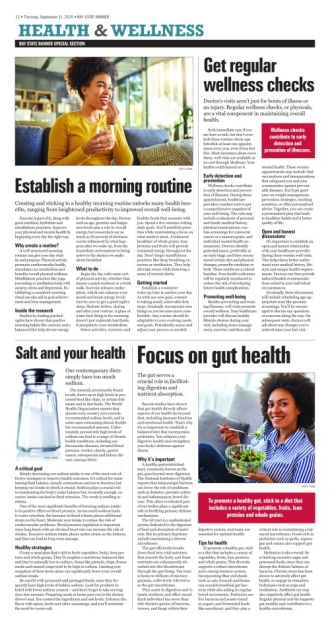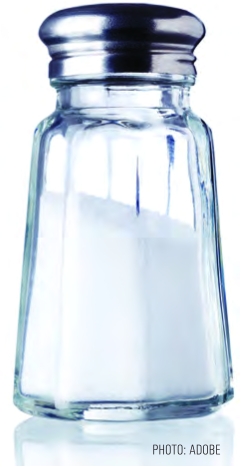
Our contemporary diets simply have too much sodium.
The mineral, prominently found in salt, shows up at high levels in processed food like chips, in certain deli meats and in fast foods. The World Health Organization reports that almost every country now exceeds recommended sodium levels, and in some cases consuming almost double the recommended amount. Unfortunately, persistently high levels of sodium can lead to a range of chronic health conditions, including cardiovascular diseases, elevated blood pressure, strokes, obesity, gastric cancer, osteoporosis and kidney disease, among others.
A critical goal
Simply decreasing our sodium intake is one of the most cost-effective strategies to improve health outcomes. It’s critical for maintaining fluid balance, muscle contractions and nerve function but keeping our intake in check is crucial. Sodium plays a crucial role in maintaining the body’s water balance but, ironically enough, excessive intake can lead to fluid retention. The result is swelling or edema.
One of the most significant benefits of lowering sodium intake is its positive effect on blood pressure. As too much sodium leads to water retention, the increase in blood volume places additional strain on the heart. Moderate your intake to reduce the risk of cardiovascular problems. Blood pressure regulation is important since long bouts with an elevated heart rate can increase the risk of strokes. Excessive sodium intake places undue strain on the kidneys, and that can lead to long-term damage.
Healthy strategies
Create a meal plan that’s rich in fresh vegetables, fruits, lean proteins and whole grains. They’ll complete a nutritious, balanced diet and they’re naturally low in sodium. Items like pretzels, chips, frozen meals and canned soups tend to be high in sodium. Limiting consumption of these items alone can significantly lower your overall sodium intake.
Be careful with processed and packaged foods, since they frequently have high levels of hidden sodium. Look for products labeled with lower sodium content – and don’t forget to take serving sizes into account. Preparing meals at home puts you in the dietary driver’s seat. You control the ingredients and salt levels. Enhance the flavor with spices, herbs and other seasonings, and you’ll minimize the need for excess salt.