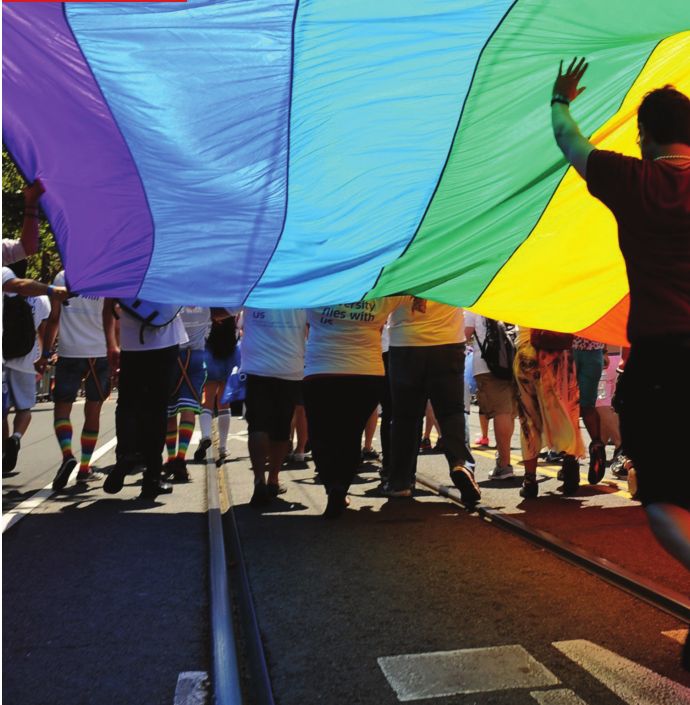

Thoughts for PrideFest from Equality Illinois
Springfield PrideFest marks the first festival of the season celebrating Pride for lesbian, gay, bisexual and transgender (LGBT) Illinoisans, our families, friends, allies and neighbors. On June 1, we will be marking the first anniversary of statewide marriage equality in Illinois.
This is certainly a season to celebrate. Here in Illinois, we’re luckier than most. We’ve had hate crime protections based on sexual orientation since 1990, LGBT-inclusive civil rights protections since 2005, anti-bullying policies since 2007, civil unions for same-sex couples since 2011 and marriage equality since 2014. Bipartisan legislative majorities and governors from both parties have joined in this progress and have helped us fine-tune and update these protections over the years.
At the same time, we are eagerly anticipating a favorable ruling from the U.S. Supreme Court by the end of June that should put an end to the unequal and unfair treatment of same-sex couples throughout the United States by making the freedom to marry the law of the land.
So let’s celebrate this historic moment and give ourselves a pat on the back for a job well done.
OK, now back to work. As far as we’ve come in Illinois regarding legal protections and widespread acceptance, the work for a much more challenging lived equality continues here and across America. That’s why the theme of the Equality Illinois festival season this year is #liveEQUAL.
To achieve that, this legislative session we’re supporting more than two dozen bills, including one to make sure LGBT youths are protected from the dangers of so-called conversion therapy. Every major mental health organization in the state has endorsed this effort.
Transgender Illinoisans face unique challenges, especially in
employment and health care. Equality Illinois is working with
organizations as diverse as the Transportation Security Administration
and local businesses to bridge that gap. We are also supporting a bill
that explicitly protects transgender people under the state’s hate
crimes statutes. Another measure ensures a balance between a medical
professional’s right of conscience and a patient’s right to medical
information and access to health care. This last bill is of critical
importance to transgender individuals who may face resistance from a
health care provider when needing medically-necessary treatments and
procedures.
Our
organization is educating faith communities on how to advocate for
equality and on creating safe and welcoming spaces for LGBT individuals.
We protect LGBT Illinoisans in the workplace by regularly working with
businesses to maintain affirming and inclusive work environments.
Most
critical at the moment are the budget challenges facing Illinois.
Equality Illinois is a member of the Responsible Budget Coalition, a
large and diverse coalition of 200 organizations united to preserve
vital services for Illinoisans. The coalition focuses on three common
principles: ensure adequate revenue to support state priorities and make
smart investments, make no more cuts to services and establish fairness
in revenue sharing and cuts caused by failure to raise adequate
revenue.
Among the most dramatic cuts opposed by Equality Illinois in Gov. Bruce Rauner’s fiscal year 2016 budget include:
HIV/AIDS:
Funding for HIV/AIDS services are reduced by 25 percent, and the
African-American HIV/AIDS Response Fund is cut by 66 percent. This is
shortsighted because for every new case of HIV prevented, the state
saves $435,000 per person in lifetime medical care and treatment costs.
Medicaid:
The proposed budget slashes the Medicaid program by $1.47 billion.
These massive cuts to the Medicaid program directly impact the health of
HIV+ people, transgender people and women. For these individuals, early
detection of infection and cancer can mean the difference between life
and death.
Homelessness
and Stable Housing: Forty percent of homeless youth identify as LGBT.
Many of these youths leave or are thrown out of their homes when they
come out of the closet. It is deeply harmful to them then that the
proposed budget would deny more than 1,300 homeless youth access to
shelters and other services.
Mental
health: The proposed budget cuts or eliminates funding for mental
health services, including funds for psychiatry and care coordinators
who assist people with mental illness in finding appropriate care.
Mental health services are especially important to LGBT youth, who
suffer higher rates of depression, suicide attempts and substance abuse
because of rejection, social stigmatization and harmful conversion
therapy.
Anti-bullying:
Funding is eliminated for programs that prevent school bullying despite
adoption last year of major legislation requiring school officials to
create and implement specific anti-bullying policies.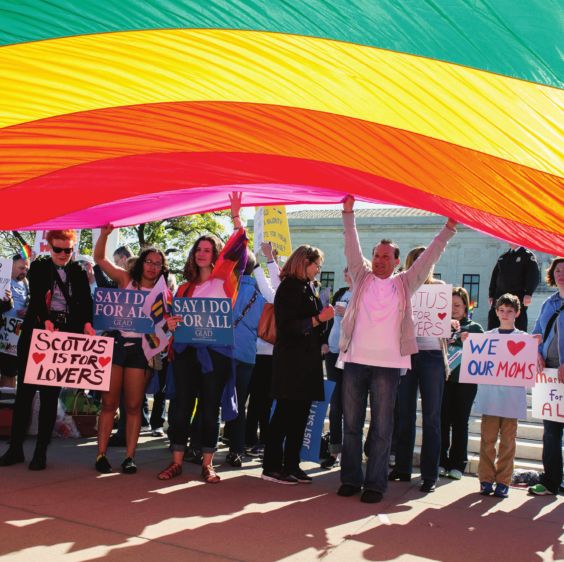
Immigrant
integration services: These services are wiped out by the proposed
budget. The program provides critical assistance to many LGBT immigrants
seeking asylum in the United States or potentially to marry a partner.
Our
important work does not stop at the Illinois border. Equality Illinois
is the largest LGBT advocacy organization in the Midwest, and it is the
responsibility of the community to speak up on issues in Washington and
when we and our neighbors are threatened by the action of states around
us.
We might be able
to get married in Illinois and have our civil rights protected here, but
we can’t drive east to west through the country without being married
in one state and unmarried in the next. Even in some states where
marriage is legal, and, of course, where’s it’s not, we could be out of a
job or be denied services because we are gay, lesbian, bisexual or
transgender. That not only leaves LGBT Illinoisans unprotected but
threatens our ability to deal with family emergencies where our
marriages are not recognized.
Next
door in Indiana, when the legislature and Gov. Mike Pence passed a
so-called religious freedom law, they cited a similar law passed by
Illinois in 1998. However, Equality Illinois and like-minded allies,
including business leaders, pointed out that the Illinois law was more
narrowly crafted and is balanced by protections in the Illinois Human
Rights Act that prohibit discrimination on the basis of sexual
orientation and gender identity in housing, employment, and public
accommodations.
And we
are working in Washington toward the day there are national civil
rights protections for LGBT Americans like the ones we enjoy here in
Illinois.
So, as we
wear the colors of the rainbow at Springfield PrideFest this weekend and
all the other events from Chicago to Carbondale this season, our joy is
tempered by knowing the challenges that remain so that we can
#liveEQUAL.
Mike Ziri, a Springfield native, is the director of a public policy at Equality Illinois.


