Treat TIA like an early warning
Q. Is a TIA dangerous?
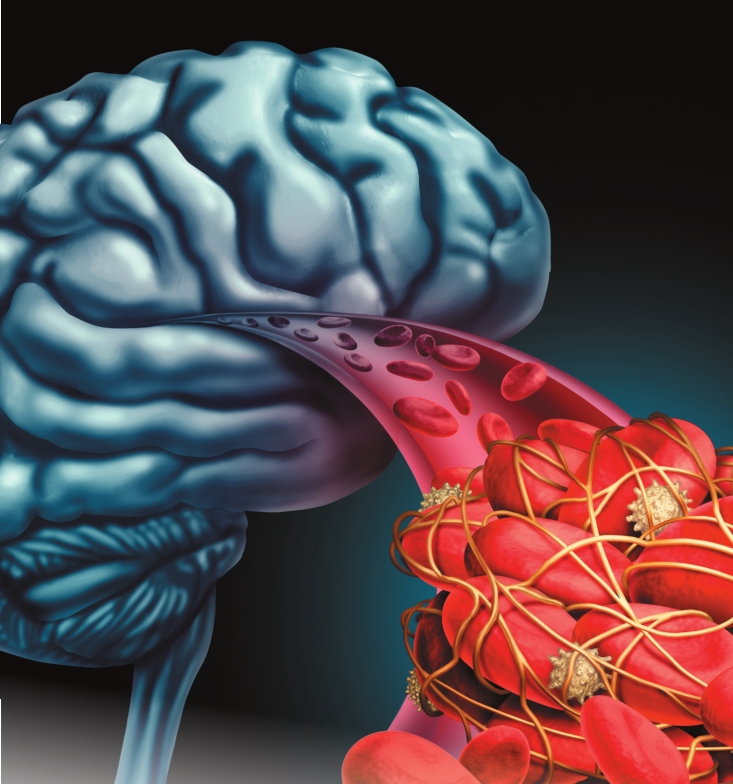
TIA stands for “transient ischemic attack.” A TIA is an interruption in the flow of blood to a part of your brain. Its symptoms are the same as for a stroke. A TIA lasts anywhere from minutes to many hours. It goes away and leaves no apparent permanent effects.
If you have a TIA, your chances of having a stroke are increased nine times. Treat a TIA like an early warning and get to your doctor immediately for a checkup.
A stroke, which is also called a “brain attack,” is caused by a blood problem in the brain. An “ischemic stroke” is caused by too little blood in the brain. A “hemorrhagic stroke” is caused by too much blood.
About 80 percent of strokes are ischemic strokes; they occur when blood clots or other particles block arteries to your brain. Hemorrhagic stroke occurs when a blood vessel in your brain leaks or ruptures.
During a stroke, brain cells are deprived of oxygen and nutrients and begin to die. The earlier a stroke is treated, the better the results.
In the USA, stroke is the third-leading cause of death behind heart disease and cancer. It is the leading cause of adult disability.
The
most common stroke symptoms include sudden numbness, weakness or
paralysis of the face, arm or leg — usually on one side of the body;
trouble talking or understanding; sudden blurred, double or decreased
vision; dizziness, loss of balance or coordination; a sudden headache
with a stiff neck, facial pain, pain between the eyes, vomiting or
altered consciousness; confusion, or problems with memory, spatial
orientation or perception.
The
following can increase your risk of a stroke: a family history of
stroke or TIA, aging, race (blacks are at greater risk), high blood
pressure, elevated cholesterol, cigarette smoking, diabetes, obesity,
cardiovascular disease, previous stroke or TIA, heavy alcohol drinking
and uncontrolled stress.
Your
doctor has many diagnostic tools for stroke. Among these are physical
exam, blood tests, carotid ultrasonography to check the carotid
arteries in your neck, arteriography to view arteries in your brain, a
computerized tomography (CT) scan of the neck and brain, a magnetic
resonance imaging (MRI) of the brain, among others.
Treatments are varied and include drugs to fight clots, and medical procedures to keep blood vessels open.
Fred Cicetti is a freelance
writer who specializes in health. He has been writing professionally
since 1963. Before he began freelancing, he was a reporter and columnist
for three daily newspapers in New Jersey. If you would like to ask a
question, write to [email protected].


