For millions of veterans across the country, returning home from military service doesn’t always mean peace. Instead, many face a different kind of fight — one for health care, housing and recognition.
Although the estimated number of veterans experiencing homelessness in the U.S. has declined to 32,495 — a 56.1% reduction since 2010 — the number of veterans who suffer from addiction, long-term health issues, financial insecurity and other systemic issues is still high. For veterans of color, these challenges are often compounded by racial discrimination and longstanding disparities in access to resources.
This Veterans Day, five Boston-area veterans reflected on their military experiences, the challenges they encountered returning to civilian life, and their continued commitment to serving others. Their stories span generations, but share a common message: their service does not end with their uniform.
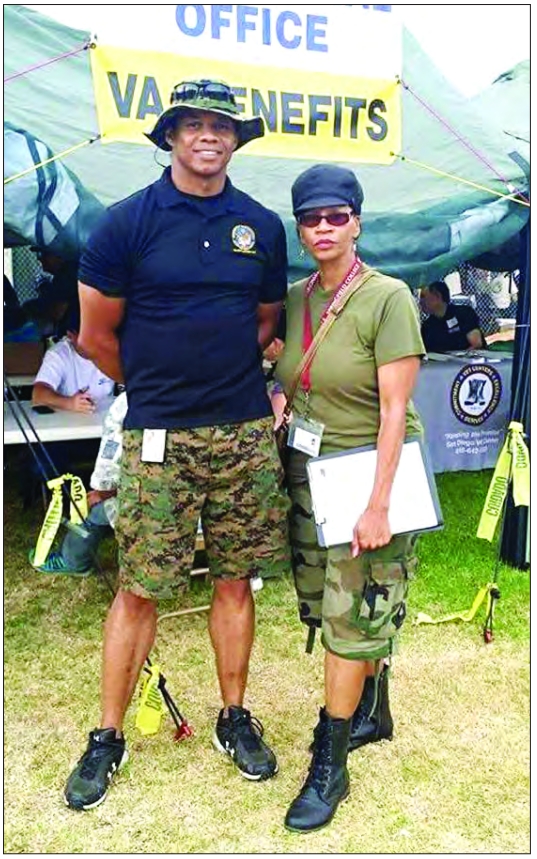
Savina Martin, above right, and below.
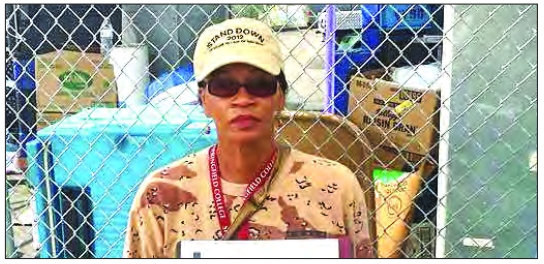
Savina Martin
“I felt like I had been prepared all my life to do a type of service.”
Savina Martin’s military roots stretch back generations, all the way to World War I.
Inspired
by her family’s legacy, Martin enlisted in the Army in the 70s, serving
as a medic and training with one of the final all-female Women’s Army
Corps battalions at Fort McClellan, Alabama.
“I
felt like I had been prepared all my life to do a type of service,”
Martin said. “By the time I got into military service and looked around,
I said, ‘What I’m learning here, I can apply to the community.’”
Martin said the lessons she learned in the military helped her to fight against inequality at home.
As
“a non-combat veteran that provides service to the community,” Martin
has advocated for affordable housing, health care, food security and
racial justice, working alongside community leaders including Mel King
and Chuck Turner.
Alongside
five other women, Martin helped renovate a Roxbury home to provide
housing for women, including veterans struggling to transition into
civilian life.
For
Martin, Veterans Day is about more than just recognizing military
sacrifice. She believes all who are fighting for their communities —
from activists to faith leaders — are also serving on the front lines.
“That’s what Veterans Day means to me: a continual fight at home, a prayer for military veterans abroad,” Martin said.
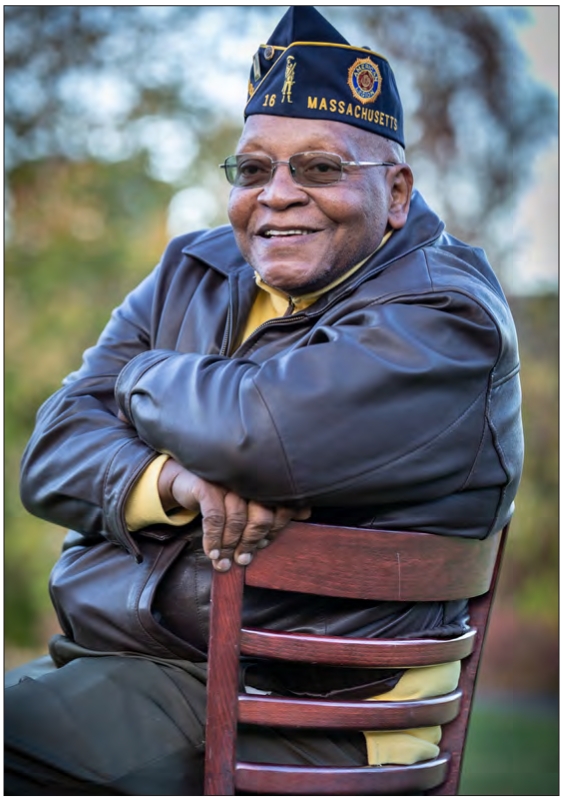
Haywood Fennell
Haywood Fennell
“We must not wait for people to come to us. We must save ourselves.”
For Haywood Fennell, military service was supposed to offer a lifelong career.
Inspired
by an uncle who served more than two decades in the military, Haywood
enlisted with hopes of building a similar future. But racism during his
service changed his plans.
“I just got tired of that,” Fennell said. “That was not where I wanted to spend my life.”
After
leaving the military, Fennell struggled with heroin addiction for
years. His turning point came during his third admission to a VA
detoxification program.
“The
nurse asked me what would be different this time, because I had been
admitted in the detox before two times. I responded that this time I
want to live,” Fennell recalled. “That was 31 years ago. I haven’t
smoked a cigarette [since].”
During
his recovery, Haywood discovered a passion for theater. While living in
transitional housing, he began writing his first play, and would
eventually found his own theater, the Oscar Micheaux Family Theater
Program.
Fennell has
also advocated for veterans of color, calling for improvements to VA
health care and greater access to affordable housing. He is helping
launch a campaign called “Let’s Give Willie a Bed” to draw attention to
veterans’ housing needs.
To
any veterans struggling after returning from their service, Fennell
emphasized the importance of taking action and supporting one another.
“We must not wait for people to come to us,” Fennell said.
“We must save ourselves.”
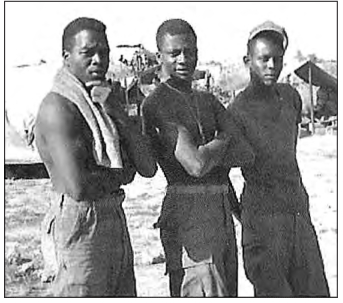
Ernest Washington, right, and above center with fellow soldiers Chet Lockett and Charles Brogden in Vietnam. Ernest Washington
“It’s always going to be my job … to represent the actual experience of veterans of color in all wars.”
Eighteen
years after first setting foot in Vietnam, former Marine and Roxbury
native Ernest Washington returned to meet with those he once fought
against.
Through a
1985 Boston Globe series revisiting the Vietnam War, Washington had the
opportunity to speak with former Viet Cong combatants.
“That changed my life, to sit in front of my former enemies and have them forgive me,” Washington said.
Washington
enlisted when he was 18 years old alongside two friends through the
military’s buddy system. Washington was wounded in combat, while one of
his friends was killed.
Since then, Washington has dedicated much of his life to supporting Black military members.
For nearly 30 years, Washington chaired the Veterans Benefits Clearinghouse, an organization
helping veterans of color access benefits, navigate civilian life and
connect with other service members.
For Washington, Veterans Day is both a time to honor those who served, and a reminder of why he does what he does.
“It’s
always going to be my job till I close my eyes to represent the actual
experience of veterans of color in all wars,” Washington said. “And how
they use their experience in the military to benefit their neighborhood,
their community.”
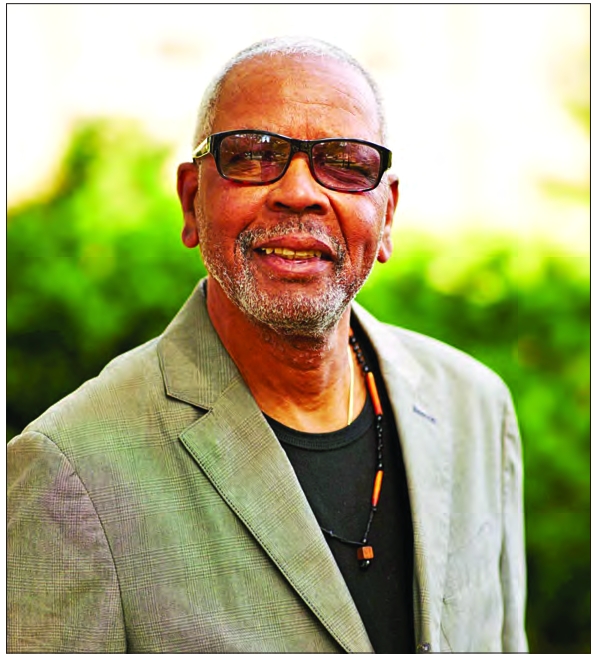
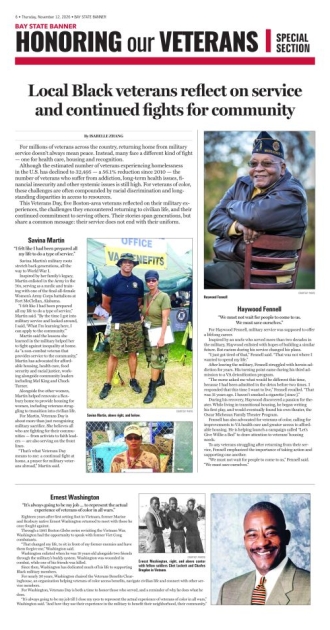
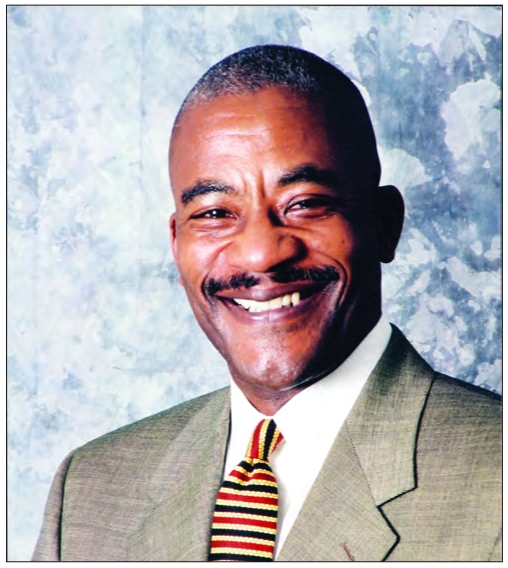
Bruce Bickerstaff
Bruce Bickerstaff
“I had to fight with myself about my value to the country, and the country’s value to me and my family.”
For
77-year-old Bruce Bickerstaff, his time in the military shaped both his
understanding of service and his relationship with the country he
served.
Bickerstaff
joined the Air Force in 1967, serving as a security policeman in
Vietnam, Thailand and Greenland. He said his military experienced taught
him to work with people from all over the world.
“We
were all pressed in one building with same uniform on,” Bickerstaff
said. “Even though we’re from different parts of the world, we unify
around our individual communities.”
Although
his experiences were mostly positive, Bickerstaff said racial turmoil
in the U.S. and experiences in Vietnam led him to move on from the
military.
“I had to
fight with myself about my value to the country, and the country’s value
to me and my family,” Bickerstaff said. “I wanted to push myself and
America to meet its theme of the country.”
That
conviction would go on to guide decades of service. Bickerstaff
supported the Veterans Benefits Clearinghouse, an organization assisting
veterans of color, and helped establish a memorial honoring Gen.
Benjamin O. Davis Jr., a pioneering Black aviator.
For
Bickerstaff, Veterans Day is an opportunity to reflect on his service
and recognize the contributions of fellow veterans, particularly Black
service members whose sacrifice has not always received equal
recognition.
Honoring
veterans must extend beyond recognition, he added, but also ensuring
they receive the benefits, health care and support promised to them.
“I
want to see my fellow veterans get what they fought for,” Bickerstaff
said. “We demand respect [and for] the institution to again support us.”
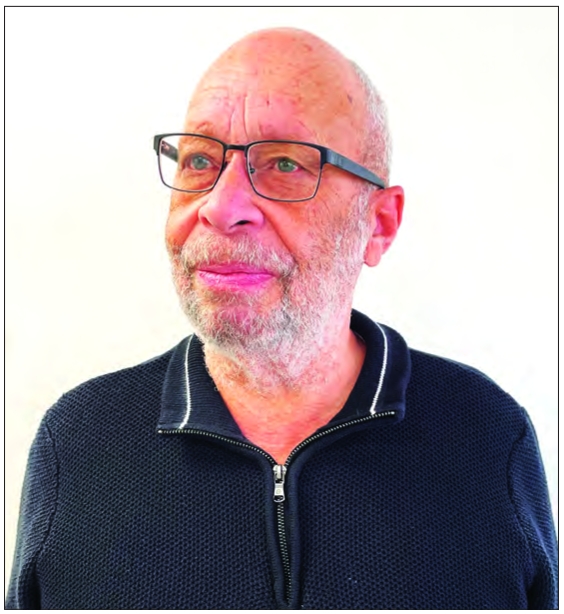
Joseph Wheeler
Joseph Wheeler
“The military trains you every day how to go out and kill, but then they say ‘Thank you for your service,’ and send you off.”
Joseph
Wheeler was 17 years and 13 days old when he enlisted in the Air Force.
Over the next four years, he worked as a crew member in Florida,
Arizona, Alaska and Vietnam.
Wheeler
said he joined the military hoping to find direction in life — a
decision that ultimately paid off. His years of service allowed him to
attend college and instilled a sense of discipline in him, Wheeler said,
and ultimately made him a better father.
Still,
Wheeler’s time serving was not without challenges. He experienced
racism during his time in the military, especially after the passage of
the Civil Rights Act. That day, he recalled an officer cautioning all
Black service members against heading “right in town and start testing
it.”
Returning home
presented another set of challenges. Although Wheeler had a supportive
family and community, he said many veterans lack the resources to
smoothly transition into civilian life.
“The
military trains you every day how to go out and kill, but then they say
‘Thank you for your service,’ and send you off,” Wheeler said. “There’s
no bringing you down from that … I think that screwed with a lot of
people who came out.”
Wheeler
believes the government should do more to support veterans,
particularly by improving access to medical care through the Department
of Veterans Affairs and expanding treatment services for substance abuse
and alcoholism.
Wheeler ultimately said he is proud of his military service and that Veterans Day “means everything” to him.