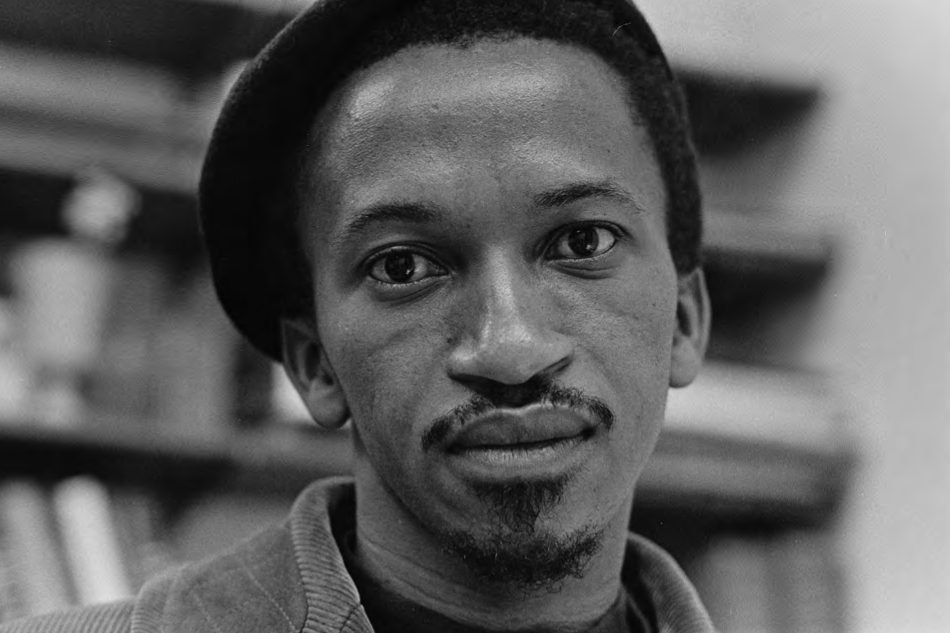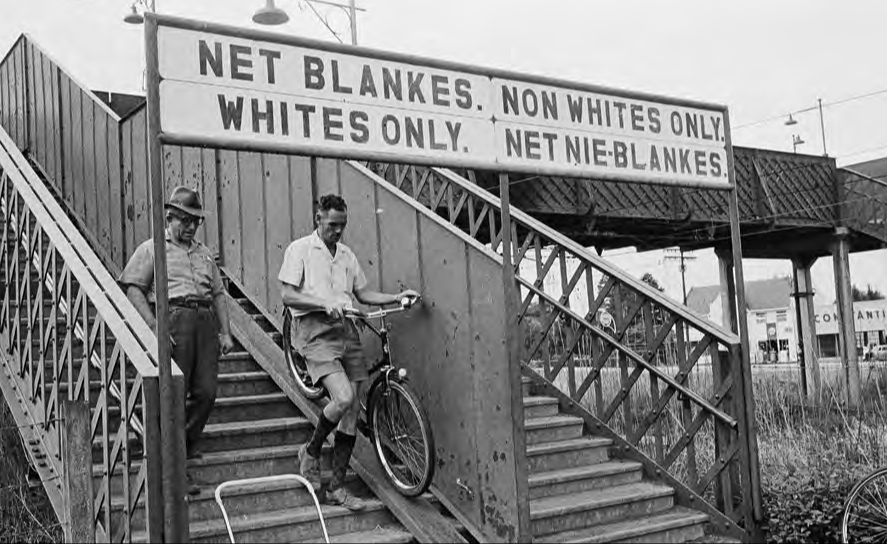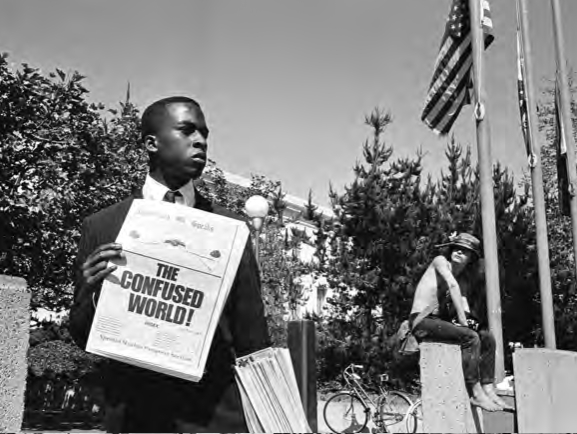
(top) Photographer Ernest Cole, from the film “Ernest Cole: Lost and Found.” (above and left) Ernest Cole photographs. Poignant documentary explores life and work of exiled South African apartheid photographer
In 1967 the world saw firsthand the horrors of Black life under apartheid South Africa in photojournalist and street photographer Ernest Cole’s, unflinching photobook, “House of Bondage.” Apartheid was legal systemic racial segregation in South Africa from 1948 to 1994. Apartheid spanned legal and economic segregation and social separation between European South Africans and non-white South Africans, favoring the former and discriminating against the latter.
“House of Bondage,” which
was first published in New York, was banned in South Africa for
depicting these harsh realities to outsiders. The country was already
impacted by UN-sanctioned boycotts a few years prior.
This
book ban subsequently forced Cole into exile in Europe and America for
the remainder of his life. His exile became a bondage of its own and he
often wrote, “I am homesick, and I cannot return.” Originally lauded by
his contemporaries for his work covering apartheid, Cole eventually
became homeless, faded into obscurity and died from pancreatic cancer at
49.
Haitian director
Raoul Peck’s (“I Am Not Your Negro”) latest documentary, “Ernest Cole:
Lost and Found” spotlights the South African photographer using his
photographs and his words with an emotional and visceral voiceover by
Lakeith Stanfield (“Get Out” and “Atlanta”). The short and slender
observer who stood at 5’4” was marked by feelings of otherness and
restlessness throughout his life. The moving and poignant film reveals
what happened to Cole between the release of his photobook and the
shocking discovery of his lost negatives and writings in a Swedish bank
50 years later. What follows is the story of a man who falls into
depression caused by the isolation of exile and the hopelessness that
occurs when the Western world promises freedom and fails.
Cole’s
mostly black-and-white film photographs cover an array of daily life,
from the dignified and the destitute to the happy and the hopeless.
Pictures of “nightmare rides” show train cars and platforms
designated for Black South Africans that are packed to the brim. Some
commuters grasp onto any bit of the train they can find as they hang off
the speeding locomotive, praying they don’t fall to their deaths. He
also photographs a white South African sitting on a bench labeled
“Europeans Only” and captures the monotonous life of Black South
Africans in the desolate, eerily quiet banishment camp of Frenchdale,
near the Botswana border.
Cole’s
work was inspired by French humanist photographer Henri
Cartier-Bresson’s “The People of Moscow.” These were photographs of
ordinary people doing ordinary things in ordinary environments. Cole
explains that this approach was the most effective way to depict the
realities of injustice and human rights violations in South Africa.
It is at times difficult to
decipher where Cole’s photographs are set. Is the image of a Black man
being brutalized by both Black and white police happening in Chicago or
Soweto?
Is the image
of a Black female nanny to wealthy white children who will learn to hate
her set in Pretoria or on Park Avenue? The images taken in the 1960s
and 1970s could also be taken today. This lack of distinction is the
point.
Chillingly,
Cole also reveals, “In the South I was more scared there than I ever was
in South Africa. In South Africa I was afraid of being arrested. In the
South when I was taking pictures, I was terribly frightened of being
shot.”
Two years after apartheid’s end, the Truth and Reconciliation Commission was formed.
Established
in 1996 and chaired by South African Anglican Archbishop Desmond Tutu,
the commission allowed survivors of human rights abuses under apartheid
to share their experiences publicly. These abuses included simulated
drownings, electric shocks, sexual abuse, kidnapping and violence. It
also allowed violent perpetrators to give accounts of their actions and
request amnesty. The idea
for the commission was for people to acknowledge the truth while moving
forward with repair and restoration. The reconciliation was televised.
Peck
explains his choice to include this archival footage when he says, “I
knew that at some point, I needed to show the naked truth: barbarity,
abuse, torture.” He continues, “People forget it. They think apartheid
is just a figure of speech. No, people were dying. People lived their
whole life under constraints, like prisoners of their own country.”
While
Cole’s people were prisoners in their own country, he always felt like a
prisoner outside of his. His homecoming was bittersweet since he
returned posthumously. He died a week after Nelson Mandela’s release
from prison.
“Ernest Cole: Lost and Found” is now streaming on most platforms.
ON THE WEB
Learn more at magpictures.com/ernestcole