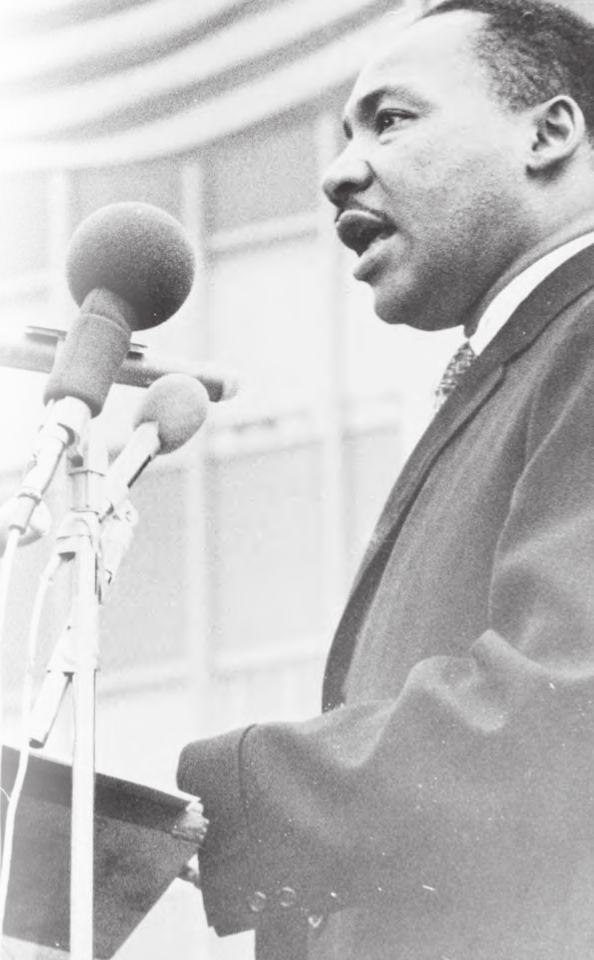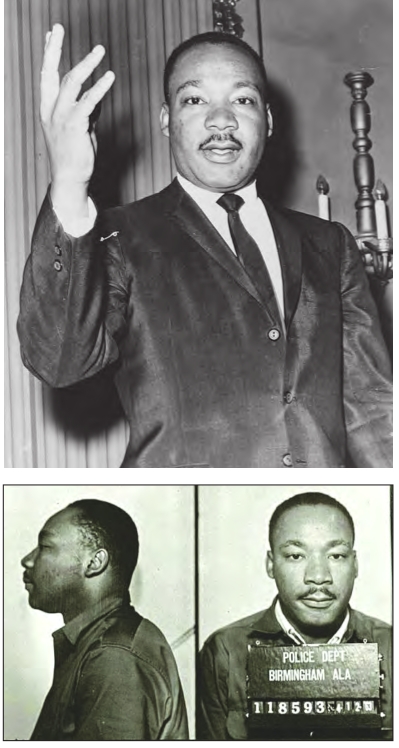
Martin Luther King Jr.’s leadership of the American civil rights movement lasted for 13 years, beginning in 1955, according to The King Center.
Under his guidance, the organization credits this period as the most significant progress made by African Americans toward equality in America. King would be the leader of a nonviolent movement into the 1960s until his untimely death.
His legend lives on through his inspiring messages, and numerous statues memorializing his honor throughout parks, streets and many other public facilities. To fully understand his significance to America, look at some of his most important achievements according to The King Center.
1955: Montgomery Bus Boycott
King served as spokesman for one of the largest pushes for the integration of public transportation in Montgomery, Alabama.
The effort spanned 381 days of participation by citizens of the Black community who were forced to walk miles to and from work. The movement eventually led to the United States Supreme Court to rule against racial segregation in transportation, as it was deemed unconstitutional.
1963: Letter from a Birmingham Jail
In 1963, King led a coalition of civil rights advocates in a peaceful campaign in what was largely considered the most segregated city in America, Birmingham, Alabama. Here, the reality of brutality against young Blacks was highly documented through television newscasts and articles. This led to a national outrage which resulted in an unprecedented push for civil rights legislation. During this campaign, King penned the “Letter from a Birmingham Jail,” which is required reading in classrooms worldwide.
1963: I Have a Dream
Perhaps the speech King is most known for was given during the March for Jobs and Freedom or, the March on Washington. Over a quarter-million attendees came to support the movement and were witness to the historic “I Have a Dream” speech that led the nation to take an active stance towards equal rights.
This is the moment many consider to be what cemented his role as a social leader and lead him to later being named Time magazine’s “Man of the Year.”