There is a certain type of
satisfaction that comes from cooking a pot of beans from scratch. I
always catch myself meditatively stirring at some point in the process,
once again amazed that a $1.39 bag of beans and some veggies could turn
into a huge pot of utter deliciousness. We grew up eating variations of
cooked beans, usually with some ham or bacon thrown in for good measure.
For me there is no truer comfort food than a bowl of ham and beans,
with a side of buttered cornbread and vinegar slaw.
Only
recently have I begun to appreciate beans, and pulses in general, for
more than just their tasty qualities. Pulses are the dry edible seeds of
plants in the legume family, which includes dry beans, peas, lentils
and chickpeas. The ultimate slow food, beans actually require relatively
little hands-on time to prepare and are dollar for dollar one of the
cheapest and most nourishing forms of protein you can buy. When paired
with other plant proteins, such as those found in whole wheat, beans
provide all the essential amino acids we need in order to build muscle.
Pulses also act as an important prebiotic -- they encourage the growth
of beneficial bacteria that live in the gut. Supporting the growth of
these healthy bacteria improves overall health and well-being, and
emerging research supports a connection between the gut microbiome and
one’s mental health.
As
with most fruits and veggies, the darker the bean, the more
nutrient-dense it is. Dark green French lentils and black beans are
especially rich in iron, folate, potassium and antioxidants. While
purchasing and cooking dried beans from scratch is by far the most
economical choice, canned beans are still inexpensive and offer the same
nutritional benefits as home-cooked beans. Be sure to buy low-sodium
varieties when available, and look for brands that use a BPA-free can
liner.
Before
cooking, dry beans need to be soaked. This can be done overnight in
cold water, or a quick soaking method can be used. Cover the beans in
two inches of cold water and bring to a boil. Turn off the heat and let
the beans sit for 90 minutes. Drain the water, then cover with fresh
water or stock, add herbs, spices, onion and garlic, and bring to a
boil. Reduce heat and simmer for 90 minutes, or until the beans are
tender. Acid will prevent the beans from softening so do not add
ingredients like tomatoes or vinegar until the beans are tender. Lentils
do not require presoaking, but acid has a similar effect, so hold off
on adding acidic ingredients until later.
As
the hectic holiday season approaches, I invite you to make a pot of
beans one chilly afternoon. Beans will keep in the fridge for five days
and they freeze beautifully, perfect to heat up after an autumn walk or
for dinner on a busy weeknight.
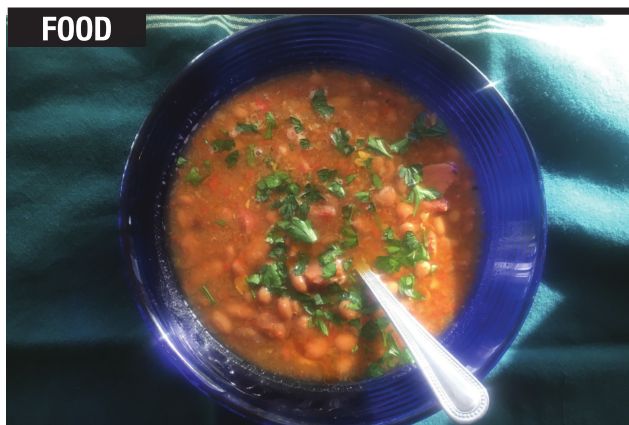
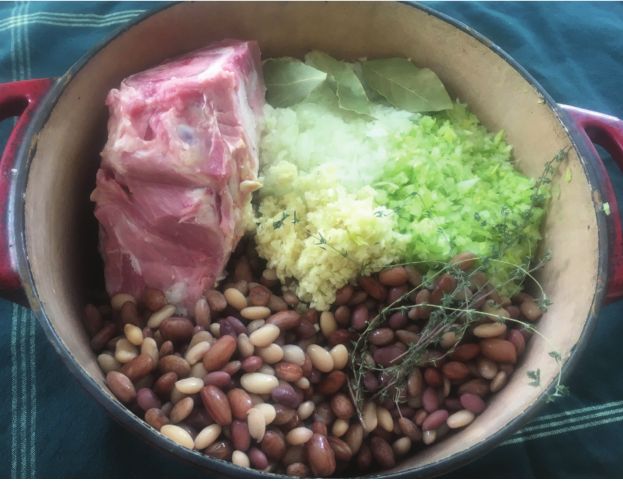
Grandma’s Ham and Beans
• 2 pounds great northern beans, picked overand rinsed
• ½ teaspoon baking soda
• 3 yellow onions, chopped
• 6 cloves garlic, minced
• 3 stalks celery, chopped
• 1 bay leaf
• 1 meaty ham hock
• Salt and pepper to taste
Place beans and baking soda in a large soup pot and cover with 2 inches
of cold water. Let beans soak overnight at room temperature.
Alternatively, place the pot over high heat and bring to a full boil,
then turn off heat and let soak one hour. Drain soaked beans and rinse.
Return the rinsed beans to the pot, and add onions,
garlic, celery, bay leaf and ham hock. Cover with 1 inch water and
bring to a boil. Reduce heat and simmer until beans are tender, about
60-90 minutes. Remove ham hock and set aside to let cool. When cool
enough to handle, pick ham off the bone and cut into bite-sized pieces.
Return chopped ham to the beans and season to taste with salt and
pepper. Beans can be made ahead and kept refrigerated for up to one
week. Freezes well.
French Lentil Soup
• 1 pound French green lentils, picked over and rinsed
• 1/4 cup extra-virgin olive oil, plus more for serving
• 2 large onions, chopped
• 3 medium garlic cloves, minced
• 2 large leeks, white and tender green parts only, chopped
• 8 celery ribs, cut into 1/2-inch dice
• 6 medium carrots, cut into 1/2-inch dice
• 1 tablespoon chopped fresh thyme, or 1 teaspoon dried thyme
• 2 bay leaves
• 3 quarts low-sodium chicken stock or vegetable stock
• 1 2- or 3-inch piece of parmesan rind, optional
• 3 tablespoons tomato paste
• 1 teaspoon red wine vinegar, or to taste
•
Kosher salt and freshly ground pepper Heat the olive oil in a large
heavy-bottomed pot. Add the onions, garlic, leeks, carrots, celery and
the thyme and cook over moderate heat, stirring occasionally until the
vegetables are tender, about 10 minutes.
Add
the chicken stock, tomato paste and lentils to the pot. Increase the
heat to high, cover and bring to a boil. Uncover, reduce the heat to
moderate and simmer, stirring occasionally, until the lentils are
tender, about 45 minutes. Stir in the red wine and season with salt and
pepper to taste. Serve hot with a drizzle of olive oil and a sprinkling
of grated Parmesan.
Caribbean-Style Red Beans and Rice
• ¼ cup coconut oil or canola oil
• 1 medium onion, diced
• 1 red bell pepper, seeded and diced
• 3 garlic cloves, minced
• 1 sprig fresh thyme or 1 teaspoon dried thyme
• ½ teaspoon allspice
• ¼ teaspoon cinnamon
• 1 teaspoon paprika
• 1 whole scotch bonnet pepper
• 2 cups uncooked long grain rice
• 1 can coconut milk (1 ¾ cups)
• 2¼ cups chicken or vegetable stock
• 2 15.5-oz. cans red kidney beans, rinsed and drained
• 2 small bay leaves
• Kosher salt and fresh ground pepper, to taste Wash rice until water runs clear.
Heat
oil in a large heavy-bottomed pot, then add onions, garlic, thyme,
allspice, cinnamon and hot pepper, sauté for about two minutes. Add rice
to the pot and sauté about 2 minutes more, then add beans, coconut
milk, bay leaf and stock. Bring to a boil, then reduce heat, cover and
simmer until rice is cooked, about 20 minutes or more. Stir occasionally
to prevent rice from burning, and add some water if needed. When rice
is fully cooked, remove bay leaves and scotch bonnet pepper. Taste for
salt and pepper and serve hot.
Ashley
Meyer is the executive chef at genHkids, a nonprofit based Springfield.
She teaches a class through genHkids called Destination Dinner Table,
where parents get into the kitchen and make a nutritious from-scratch
meal. Meanwhile the kids play games, make a salad from community garden
produce and help set the table. The families come together to enjoy the
meal and the community. This past week Meyer made her grandma’s ham and
beans, along with cornbread and slaw, with families at Feitshans
Elementary School.