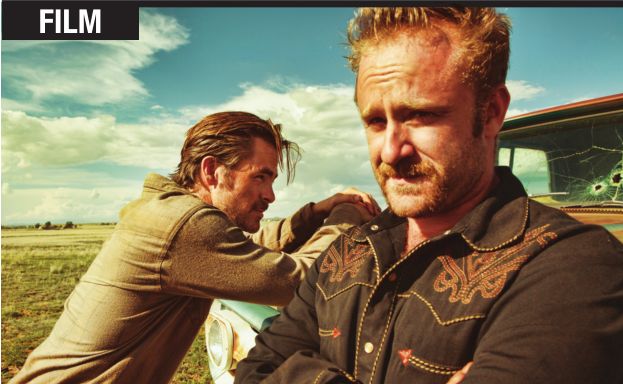
On the surface, the appeal of David Mackenzie’s Hell or High Water appears to be that it’s a revisionist western – far too few of these are being made – and features a performance from Jeff Bridges, a selling point for any film. Both of these elements pay big dividends. However, what propels the story is palpable anger aimed at the sort of corporate greed that’s increased the growing divide between the haves and have-nots.
Brothers Toby (Chris Pine) and Tanner Howard (Ben Foster) find themselves with their backs against the wall after their mother dies. Having taken out a reverse mortgage through a bank to accommodate her, the woman has unwittingly put the family’s ranch in jeopardy. Demanding full payment of back taxes as well as extensions on the mortgage, the Texas Midlands Bank Corporation is ready to take possession of the property. The Howards have little over a week to pull together $43,000 and their solution is inspired. They decide to rob the various branches of the company’s banks, thus taking the corporation’s own money to pay back the debt. The plan initially goes off without a hitch but once these crimes come under the purview of soon-to-retire Texas Ranger Marcus Hamilton (Jeff Bridges) and his partner Alberto (Gil Birmingham), the brothers find two dogged lawmen on their trail.
As staged by director David Mackenzie, the action sequences pop and thrill as they should, but it’s the quiet moments that move you. The filmmaker isn’t afraid to slow things down and allow the sight of the barren Texas landscape and the men dwarfed by it to make an impact, underscoring the futility of their plight. The screenplay by Taylor Sheridan, who authored the equally volatile Sicario, includes statements of anger and dissatisfaction throughout, voiced by characters who find themselves at the wrong end of a financial game they never stood a chance of winning. It’s no surprise the Howards meet little resistance as they knock off bank after bank. Sheridan wisely resists turning them into a Robin Hood-style media sensation, as this would have been a needless distraction, but there’s no question whose side the audience and those who inhabit the film should be on.
It comes as no surprise that the three principals and much of the supporting cast are excellent, but Mackenzie does a fine job of effectively modulating their performances. Without overplaying the role, Bridges cuts a distinctive figure as a man terrified of being put out to pasture, while Foster, one of our great overlooked screen actors, steals many scenes as a man looking for an opportunity to throw himself over the edge. However, it’s Pine who shines here, providing a solid, quiet presence emphasized by a sense of stillness that proves effective. These three are a delight to watch because they understand the material, their roles and know how to serve the material.
Much like 1940’s The Grapes of Wrath, this movie is a primal scream of rage, fueled by the injustice of a stacked game that treated consumers like collateral damage, forcing many to go from a sense of security to living on the edge. Timely and powerfully told, Hell or High Water is powered by purity of purpose. It proves to be one of the best films of the year.
Contact Chuck Koplinski at [email protected].
For a review of Southside with You, go to the Cinemascoping blog at http://illinoistimes.com.


