Neighbors fighting coal ash berm north of Springfield
A plan to dump coal ash waste near Elkhart needs significant work, according to the Illinois Department of Natural Resources.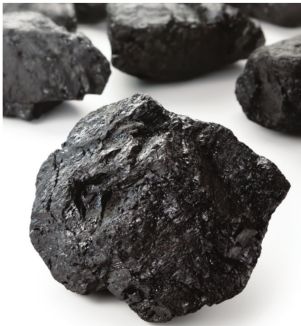
The proposal would create more room at an existing waste site for coal ash produced by Springfield’s municipal power plant, but neighbors who are opposed to the plan say DNR hasn’t addressed their concerns about the waste polluting their water.
Viper Mine sits near Interstate 55 north of Springfield, between the towns of Williamsville and Elkhart. Some of the coal from the mine is burnt by Springfield City Water, Light and Power to make electricity, and the resulting ash is eventually sent to a site outside Elkhart for disposal. Hidden from the interstate behind Elkhart Hill, the existing coal ash “impoundment” berms are roughly 100 feet tall.
Although not designated as hazardous waste, coal ash contains high concentrations of substances like arsenic, lead and mercury, which can be harmful to humans. The U.S. Environmental Protection Agency issued regulations in 2014 to govern how coal ash is stored, spurred in part by a 2008 accident in Tennessee that released 1.1 billion gallons of coal ash, covering more than 300 acres of land with up to six feet of sludge.
Earlier this month, a study released by Duke University showed contamination leaking from coal ash ponds. Some ponds and above-ground impoundments are lined to prevent leaking, but there is significant debate between the coal industry and environmentalists over whether liners are effective.
St. Louis-based Arch Coal owns the Viper Mine near Springfield through its subsidiary, ICG Illinois. Arch Coal is currently seeking Chapter 11 bankruptcy protection, but those proceedings are still in process and haven’t halted the company’s operations. Environmental groups have questioned whether Arch Coal’s bankruptcy plan is sufficient to fund cleanup at the company’s numerous mines.
In 2013, the company applied for a permit from the Department of Natural Resources to expand its existing coal ash disposal site at Elkhart. Following a public hearing in May, DNR ordered the company to significantly revise its application.
In a detailed, 68-point letter sent to ICG environmental land manager Kayla Primm on June 9, DNR ordered the company to address aspects of the plan ranging from updating hydrological maps to specifying how nearby endangered species will be protected.
Among other things, the company must adequately map public and private wells near its proposed site, better explain how coal ash dust will be controlled and justify plans to use non-native species to “re-vegetate” the site after the ash mound is capped with soil.
ICG was also ordered to provide more complete information about who owns and controls the company. Scott Fowler, supervisor in DNR’s Office of Mines and Minerals, says that information helps the agency assess how well a company has followed regulations in the past.
It’s not uncommon for DNR to order revisions before it issues a permit, and most of the revisions the agency ordered in this case amount to documentation problems rather than design flaws.
Arch Coal spokeswoman Logan Bonacorsi said the company is in the process of revising its application and expects to meet the oneyear deadline to turn in revisions.
Elkhart resident Paul Lee is a licensed professional geologist who opposes ICG’s permit application. Although he says many of the concerns he and other opponents raised at the public hearing in May were addressed in DNR’s revision order, he says at least one concern wasn’t addressed. Lee says the results of water tests he obtained from DNR “revealed dozens of exceedences” of heavy metal limits.
“Efforts will continue to make sure that public water supply wells for the Village of Elkhart will be protected and that any environmental harm already sustained will be addressed appropriately,” Lee said.
Fowler says groundwater monitoring at the site doesn’t show pollution beyond allowable limits in the Pearl Aquifer, which is used by Elkhart for drinking water. The data has been collected quarterly since 1984, Fowler said.
Contact Patrick Yeagle at [email protected].


