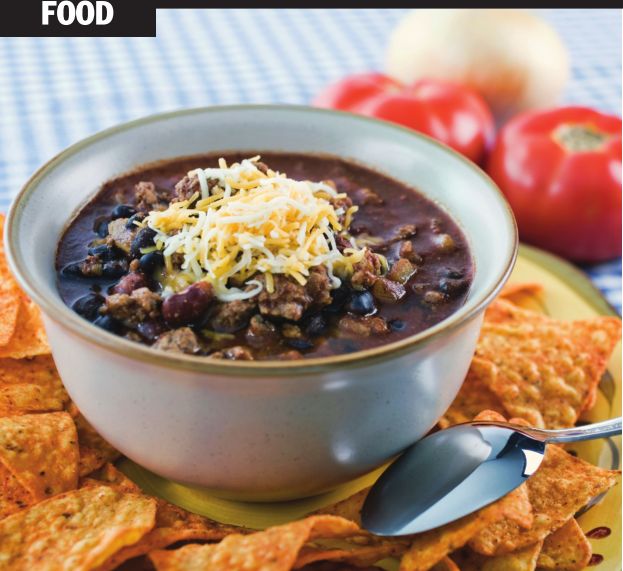
When my Illinois Times colleague David Hine asked if I would devote a column to chilli in advance of the Super Bowl, my response was, “Sure, as long as I can spell it with two lls.” But truthfully, writing about chilli is something I’ve both wanted to do and successfully avoided until now.
As a child, I was proud to claim Springfield as my hometown for two reasons. First was that it’s Lincoln’s hometown. The second – and to me equally important – was that Springfield was “The Chilli Capital of the World.”
That didn’t make Springfield as famous as I’d thought, but the quirky history of its chilli parlors is fascinating and unique to Springfield. It’s designated today as tavern chilli, probably because some of the best versions still around are only found in taverns. But the quirky guys who ferociously guarded their recipes called their establishments chilli parlors.
Chilli parlors’ heyday was decades before I came along, but they were still so central to Springfield’s identity. I remember heated debates about whose chilli was best. My family were rabid partisans of the recently reincarnated Dew Chilli Parlor on south Sixth street, not least because the owner/chilli master was the quirkiest of those quirky guys and a relative to boot.
Eventually, I realized that Springfieldstyle chilli is but one of many. And while my Nana wrinkled her nose at any non- Springfield version (and several Springfield iterations that didn’t meet her standards), I’ve come to appreciate those different chillis on their own merits.
The following black bean recipes aren’t even remotely Springfieldian. But they’re scrumptious and easily made vegetarian, which surely has those original chilli men – and my Nana – whirling in their graves.
About those two lls: The explanation turns out to be simple. Great Britain, and, by extension, its current and former Commonwealth nations (including India) have always spelled it chilli. For practical purposes, I label the finished dishes “chilli,” and the peppers used as chiles.
Technically this isn’t chilli; it doesn’t contain any chiles. But it’s definitely chilli-esque, and the orange juice and tomatillos contributes a bright note to the party not usually found in most chillis. Tomatillos self-seed in our garden, and I usually make extra batches to freeze when they are bountiful. But fresh tomatillos are available year-round in groceries’ produce sections.
Pork tomatillo and black bean “chilli”
• 1/4 c. bacon fat or vegetable oil
• 2 lb. pork, from butt or shoulder, fat trimmed and cut into ½-inch pieces
• 2 c. chopped onions
• 8 cloves garlic, thinly sliced
• 1 12 oz. bottle dark beer, preferably Mexican
• 1 1/2 c. orange juice
• 1 lb. tomatillos, husked, washed and quartered
• 2 c. peeled, chopped tomatoes, fresh or canned
• 1 bunch cilantro, stems finely chopped and leaves chopped separately and reserved
• 1 30 oz. can black beans
• Salt and freshly ground pepper to taste
Garnishes:
• Cilantro leaves (as above)
•
1 c. sour cream or Greek-style yoghurt mixed with the juice of 1 lime
In a large pot, heat the oil over medium-high heat. Add the meat and
brown. If necessary, do this in batches so as to not overcrowd. Remove
the meat when browned, and reserve.
Pour
off excess fat. Add the onions and garlic to the pot. Sauté until
softened and golden brown, about 10 minutes. Add the beer, orange juice,
tomatillos, chopped tomatoes, the liquid from the black beans and the
cilantro stems. Bring to a boil, reduce the heat to a low simmer and
cook, uncovered, for about 30 minutes or until the mixture has reduced
and thickened somewhat.
Add
the meat, beans and half the remaining cilantro leaves. Simmer an
additional 15 minutes. Let stand for about 15 minutes before serving.
Sprinkle some of the remaining cilantro leaves over the top as a
garnish. Pass the sour cream/Greek-style yoghurt at the table.
To
make this recipe vegetarian, substitute an additional 30 oz. can of
black beans for the pork. Adjust the seasonings as needed.
This
recipe is my carnivore riff on a vegetarian classic from the Greens
Restaurant in San Francisco. Greens was America’s first fine dining
vegetarian restaurant; after 30+ years it continues to receive accolades
and awards from omnivores and vegetarians alike. With or without meat,
it is scrumptious.
Black bean chilli
• 2 c. black beans, soaked overnight or using
the quick-soak method below
• 1 bay leaf
• 4 tsp. cumin seeds
• 4 tsp. dried oregano leaves
• 4 tsp. Hungarian or smoked Spanish paprika
• 1/2 tsp. cayenne or to taste
• 1 dried ancho chile or 2-3 T. pure chili powder (just ground chilies without added salt, cumin, etc.)
• 3 T. bacon fat or vegetable oil
• 3 medium yellow onions, diced
• 4 cloves garlic, coarsely chopped
• ½ tsp. salt or to taste
• 1 1/2 lbs. finely chopped or ground beef or pork or a combination
• 1 1/2 lbs. ripe or canned tomatoes, peeled, seeded and chopped, juice reserved
• 1 finely chopped chipotle chili in adobo or to taste
• Adobo sauce to taste
• Cider vinegar to taste
• 1 tsp. – 1 T. sugar to taste, optional
Garnishes:
• Grated Mexican melting cheese, Muenster or Monterey Jack
• Mexican crema, sour cream or Greek-style yoghurt
• Coarsely chopped cilantro
• Chopped scallion, both green and white parts Sort through the beans
and remove any small stones. Rinse well, cover them generously with
water and let them soak overnight. Alternatively, bring the beans and
water to a full boil for 1 minute, then let stand for an hour before
continuing.
Drain the
beans and put them into a pot big enough to contain the finished chilli.
Cover the beans with fresh water by a couple of inches. Bring to a boil
with the bay leaf. Lower the heat and let the beans simmer while you
prepare the rest of the ingredients.
Heat
a small, heavy skillet over medium heat. Add the cumin seeds, and when
they just begin to color, add the oregano leaves, shaking the pan
frequently so the oregano leaves don’t scorch. As soon as the fragrance
is strong, remove the pan from the heat and add the paprika and cayenne.
Give everything a quick stir, then remove from the pan. Cool for a few
minutes, then grind in a mortar and pestle or spice grinder to make a
coarse powder.
Preheat
the oven to 375 F. To make the chili powder, put the ancho chili in the
oven for 3-5 minutes to dry it out. Cool it briefly, then remove the
stem, seeds and veins. Tear the pod into small pieces and grind it into a
power in a blender or spice mill.
Heat
the bacon fat/oil in another large skillet and sauté the onions over
medium heat until they soften. Add the garlic, salt, ground herbs and
chili powder, turn the heat to medium-low, and cook until the mixture is
caramelized and fragrant, 15–20 minutes. Add the meat, then chop and
gently mash to combine it thoroughly with the spice mixture. Continue
cooking until the meat is just cooked through.
Add the tomatoes, their juices and the minced chipotle chili with some of its adobo sauce. Simmer for 15 minutes.
Carefully
pour the skillet’s contents into to the beans, being sure to scrape up
any and all of the bits at the bottom of the skillet. If they are stuck,
add a small amount of water to the skillet over high heat and scrape
the bits so that they dissolve and add to the pot. If necessary, add
enough water so that the mixture is covered by at least one inch.
Continue cooking until the beans are completely tender, an hour or
longer.
Taste and adjust the seasoning by adding more chipotle, adobo sauce, salt, vinegar and sugar as desired.
Serve in bowls, passing the garnishes for diners to add as they wish.
Makes approximately 8 cups.
Vegetarian version Use an additional 1/2 c. dried black beans.
Contact Julianne Glatz at [email protected].