Prescription lockdown
Bills seek to curtail drug abuses that lead to heroin
DRUGS | Alan Kozeluh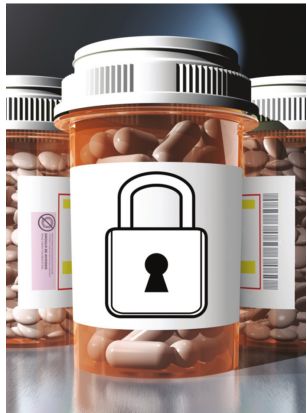
For recovering addict Nick Gore, the cost of heroin abuse is all too real.
“In my three years that I’ve been sober, I’ve lost 16 friends to overdose,” Gore said. “Those 16 people that died all started with prescription narcotics; that is where their addiction started.”
Gore spoke to state lawmakers last week at a hearing on legislation to mandate locking bottle caps on prescription painkillers. State representatives Rob Martwick, D-Chicago, and Mike Zalewski, D-Riverside, are pushing the bills as part of a larger effort to curtail what lawmakers are calling a heroin crisis in the state.
Prescription painkillers known as “opioids” are widely regarded as a path to heroin abuse because both are derived from opium. The main difference is that heroin, although illegal, is cheaper.
Gore said that locking bottle caps like the ones being proposed would have stopped him from stealing prescription medications from his friends and family.
Opponents of Martwick and Zalewski’s bills expressed concerns over whether the cost of the new bottles – at $4 each – would be covered by pharmacies and retailers and ultimately consumers. There were also questions about whether the locking pill bottles might make it harder for certain patients who need the medications to access them, especially elderly patients and people with visual impairments.
Martwick and Zalewski said it was possible that the cost of the new bottles could end up getting passed on to the consumer, but they said they are considering a fee on convictions for drug offenses to offset the cost to consumers.
If their program is successful, it would mean fewer arrests, thus less funding for the locking containers.
“If it’s that successful, we’ll have done something right,” Zalewski said.
Gore added, “Let’s hope for that problem.” Earlier this month, House Deputy Majority Leader Lou Lang, D-Skokie, and Rep. John Anthony, R-Morris, introduced their own proposal to combat the spread of prescription opioid abuse. Lang led a bipartisan 37-member House task force on the Illinois heroin crisis last year.
“Expert testimony at the heroin task force hearings made abundantly clear that a tsunami of over-prescription of opioid painkillers has unleashed the heroin epidemic in Illinois and across the nation,” Lang said in a press release.
Lang and Anthony’s $25 million plan includes a number of reforms like limiting the amount of opioid painkillers pharmacists can dispense to a 10-day supply unless an additional authorization is given by a doctor.
Anthony said the plan would also equip doctors with more information to spot “pillshoppers,” by requiring pharmacies to report filling a prescription to the state prescription monitoring system within a day, as opposed to the current requirement of seven days. They would also be required to inform doctors when a patient has three or more physicians writing their prescriptions.
“We need to arm doctors with more information and protect them against patients who are pill shoppers,” Anthony said.
Kevin Gorospe, a pharmacist and health care policy consultant, pointed to a National Survey on Drug Use and Health study that found 70 percent of people who obtain illegal prescription drugs get them through friends or family members.
Gorospe said that controls on physicians, pharmacists and other medical professionals dispensing the drugs would only go so far because that is not how addicts get their drugs.
“After the drug is dispensed is where the majority of abusers get their products,” Gorospe said.
The study in question found that 55 percent of abusers were given prescription drugs for free by friends and relatives, and another 11 percent bought them from that same group. Five percent of abusers stole drugs from people they knew.
An additional complication arises if both of the plans are implemented. Pharmacists would only be allowed to prescribe 10-day supplies of the medication at a time, and federal law says that locking pill caps like those in Martwick’s bill cannot be reused. That means customers would have to purchase more locking bottle caps in total.
Contact Alan Kozeluh at [email protected].


