Cut your energy bill with a home energy audit
ENERGY | Patrick Yeagle
Most people don’t turn to Gary Hurley until it’s too late.
Hurley is energy services manager for Springfield City Water, Light and Power, and he oversees the utility’s home energy audit program. Hurley says CWLP has conducted about 110 energy audits so far this year, but the utility may do as many as 300 audits after a particularly hot or cold season.
“It usually follows some extreme weather pattern,” Hurley says. “From a customer’s standpoint, it’s a reactive thing when a high bill comes.”
That’s because CWLP’s energy audit offers a low-cost option to identify where a home is losing or wasting energy, which in turn shows homeowners where they can save money. The best part, however, is that you can get an audit done essentially for free.
A home energy audit typically involves non-invasive inspection aimed at finding air leaks, poorly insulated areas and inefficient appliances that could be costing the homeowner money. CWLP started offering home energy audits in the 1980s, and Hurley says he has seen homes with 40-year-old air conditioners that still run.
“They’re still working great, and the customers have no complaints, but the efficiency is way off the scale,” Hurley said. “Situations like that can mean big improvements for a home’s energy use.”
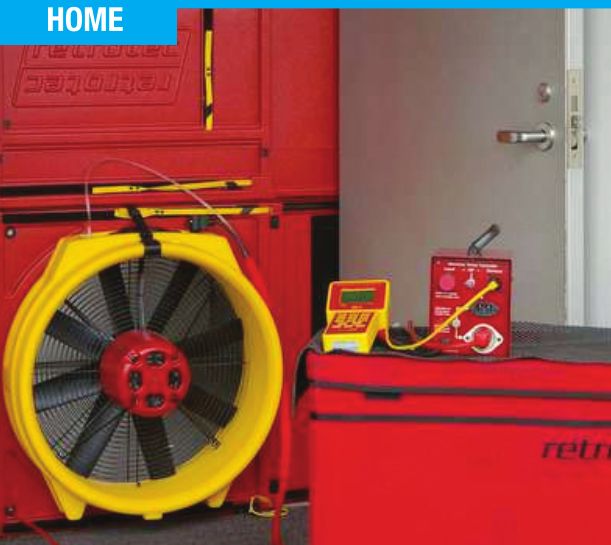
The main component of a home energy audit is the “blower door test,” which involves closing all of the windows and doors to a house, then placing a large, calibrated fan in one door to draw all of the air out. The fan has gauges that measure how much air is being drawn through cracks around windows, doors, foundations and other problem spots. A “smoke pencil” may be used to track down individual leaks by releasing a small amount of a non-toxic smoky vapor around likely spots and watching for air movement.
CWLP can also use an infrared camera which “sees” heat to find hot or cold spots that may be leaking air or radiating heat for lack of insulation. The infrared camera isn’t always used because it requires a difference between the inside and outside temperatures of around 15 to 18 degrees Fahrenheit, which may not exist during mild weather.
Hurley says CWLP’s energy audit capabilities have grown considerably in recent years with the introduction
of home modeling software. A technician creates a digital model of the
home and uses it, along with local weather data, to determine what the
home’s energy consumption should be. If there’s a significant difference
between the model and the customer’s electricity bill, it may point to a
problem that Hurley’s crew can help diagnose.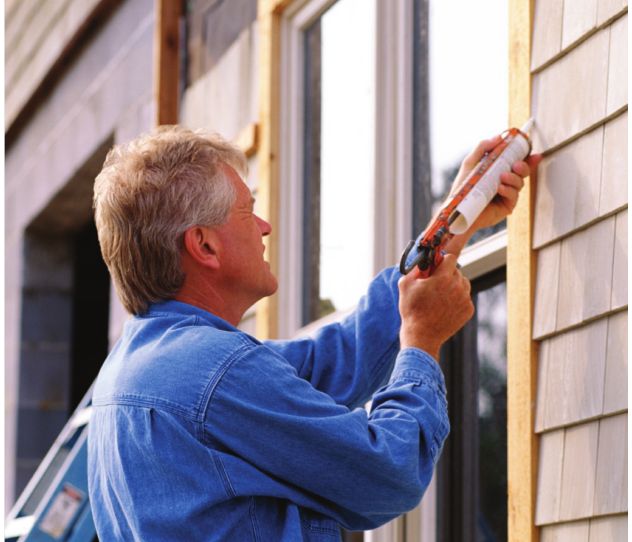
After
a home energy audit, the homeowner receives a report listing problem
areas, possible improvements and potential savings. The report addresses
the condition of windows, doors, the foundation, insulation and any
heating or cooling equipment, giving homeowners a detailed picture of
their energy use.
An
energy audit from CWLP costs $25 up front, which is a bargain
considering home energy audits typically cost between $200 and $300 from
a private company. If a homeowner completes improvements suggested by
the audit report within one year, he or she is eligible for a $25
rebate, making the program essentially free. Additionally, CWLP offers a
further reimbursement of up to $25 to cover costs like weatherizing
foam or caulk. Hurley says homeowners who install new insulation or more
efficient appliances may also qualify for larger rebates.
Both
new homes and old homes can benefit from an energy audit, Hurley says.
The reduction in energy use after a home audit usually ranges from 5
percent to 40 percent, meaning an energy audit could help the owners of a
particularly inefficient home cut their power consumption – and
consequently their bill – by more than a third.
“This is definitely something that a lot of people can benefit from,” Hurley said.
Contact Patrick Yeagle at [email protected].
For more information on CWLP’s home energy audit program, visit www.cwlp.com/eso/audits/audits.html.


