Anticipating a crowd? Use these meal-planning tips from the pros to ensure your next shindig is as successful as it is delicious.
HOLIDAY | Camille Noe Pagán, CTW Features
Feeding yourself and your family is a cinch. Cooking for a large group? That’s another story. Whether you’re hosting a formal dinner party or having a backyard gettogether, it can be tricky to figure out how much to buy and make. “You want to make sure no one leaves hungry, but you don’t end up with a fridge full of food,” says Susan Wyler, a registered dietitian and author of Cooking for a Crowd (Rodale, 2005). Fortunately, a few tricks of the trade will keep your guests happy – and keep you cool and collected. Here’s your step-by-step guide to a memorable, stress-free soiree.
Before you hit the grocery store, pick a theme
Is your event formal? Casual? In-between? What time will it start? “If it’s at a meal time, guests will expect to have their bellies filled. If it’s at eleven or three, they’ll snack lightly, so you’ll need to purchase far less food,” says Rachel Hollis, a Los Angeles-based party planner who’s worked with the likes of Al Gore and Jennifer Love Hewitt. When in doubt, center your event around a type of cuisine – Wyler likes Italian, Mexican and Mediterranean – or choose a theme like picnic, luau or barbecue. Research shows that people care more about presentation than food, so use good plates and glasses, put on music and your party will be a hit.
Start with the main dish
First things first: Pick a protein-based main course. For groups of more than six, Wyler favors bigger cuts of meat that can be sliced in advance, like filet of beef or boneless pork roasts. Other foolproof main courses include chili, risotto and lasagna. Rule of thumb: 1/4 pound of meat is a generous serving for most lunch and dinner parties; if you’re serving a rich protein, like sausage or prosciutto, you can easily cut back to 1/8 pound – especially for a buffet-style meal. For other main dishes, like lasagna, plan on 4 to 5 ounces per person.
 Choose simple side dishes
Instead
of offering a cornucopia of options, opt for two to three appetizers
and two to three side dishes to accompany the main course – for example,
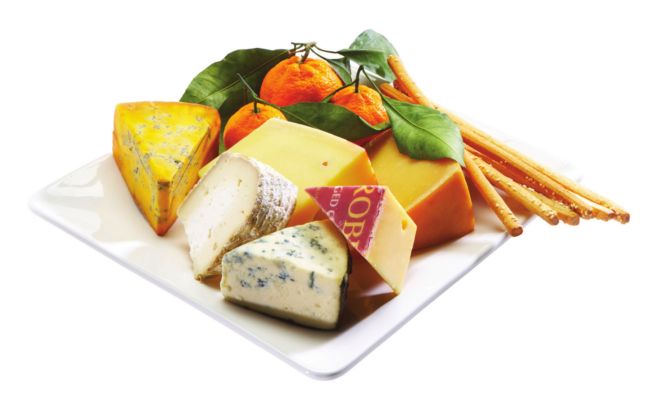
a cheese plate and/or mini meatballs, and a green salad and a potato
salad tossed with oil and vinegar. “Guests are grateful for whatever you
offer, and it’s more impressive to offer a handful of really great
items,” says Hollis. (The more items you offer, the more likely you are
to spread your budget thin, Hollis adds.) Unless a dessert bar is part
of your plan, a single option is sufficient, says Wyler.
Rule
of thumb: Four “bites” – small appetizer portions – per guest per hour
before the main meal. For side dishes, opt for 1 to 2 ounces of salad,
rice or beans, and 3 ounces of pasta or potatoes. For desserts, count on
one slice or item (such as a cookie), and roughly 4 ounces of mousse or
ice cream per guest.
Don’t forget drinks
When
budget is a concern, invest in the bar instead of fancy food items,
because people expect ample drinks at a party, says Brett Galley of
Hollywood POP, an event-planning firm with offices in New York and
Greenwich, Conn.
Rule
of thumb: Whether you’re serving alcohol or virgin beverages, plan on
three drinks per person. When stocking a bar, “Vodka tends to be the
most popular spirit,” says Galley. White wine is typically more popular
than red; when your crowd skews young, expect beer to go quickly. Above
all, “Choose your selection and quantity based on the season, holiday,
temperature and state of the economy,” advises Galley. “Beer is better
if [the weather is] hot, brown spirits and red wine if it’s cold, and
plentiful drinks during a recession.”
Consider donating your leftovers
Even
the best party planners can end up with too many leftovers. “If this
happens, consider giving the rest to a soup kitchen or food pantry,”
advises Heather Bell-Pellegrino, president of A Perfect Plan!, a
Westchester, N.Y.-based event planning firm. “Many will take perishable
food as well as nonperishables, and some will even pick it up for you.”
To find a local food bank, visit feedingamerica.org.
What to say when asked, ‘Can I bring something?’
Chances
are, many of your invited guests will ask what they can bring. “Most
people don’t mean this, so the best answer is, ‘Just yourselves’,” says
Ellie Rand, a New Orleans-based public relations consultant and frequent
entertainer. If they insist, request something for the bar, or a small
sweet treat, says Rand.
© CTW Features