Fall gardening activites
GARDEN | U of I Extension
Although summer may be drawing to a close, gardening time is far from over, said a University of Illinois Extension horticulture educator.
“Fall is the ideal time for some kinds of planting and for preparing for next year’s garden,” explained Candice Miller. She suggests several fall activities that can be done to lengthen the summer gardening season and prepare for winter.
Plant spring-flowering bulbs
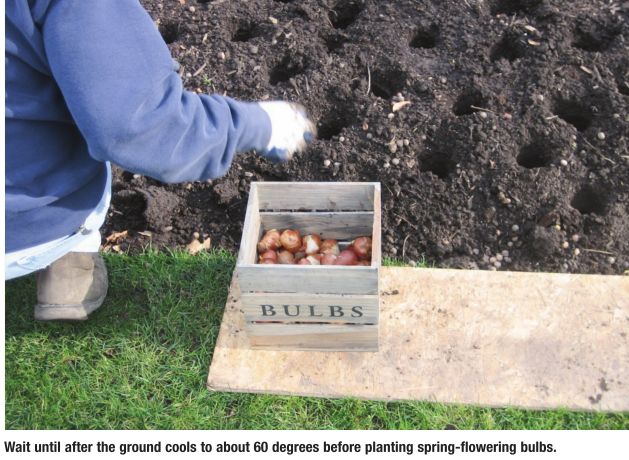
Plant spring-flowering bulbs such as daffodils, tulips, crocus and hyacinths as soon as possible to allow plenty of time for root development. Wait until after the ground cools to about 60 degrees Fahrenheit, usually after the first frost. Improve drainage by adding organic matter to the soil prior to planting the bed, and remember to plant each bulb to the recommended depth.
Plant for a fall harvest
Mid-July through mid-September is the best time to sow various cool-weather crops such as broccoli, lettuce, turnips, collards, carrots, peas, radish, spinach, Brussels sprouts and cauliflower. Extend the season by using floating row covers or cold frames to protect cool-season crops.
Clean up the garden
Clean up any remaining plant material from the garden, and consider starting a compost pile with the leaves and garden debris. Fall is also an excellent time to till compost, manure or other organic materials into the garden to improve the soil. Clean up leftover weeds as well because they can harbor diseases and insects.
Leave winter interest
Consider leaving some perennials and grasses standing to add winter appeal to the garden and attract wildlife throughout the winter. Remember to wait and mulch perennial flowerbeds until after the plants have gone dormant, usually in very late fall or early winter. Use two to three inches of loose mulch to help protect plants from the cold and prevent erosion.
Divide and plant perennials
New perennials can still be planted in the fall, and established perennials can be divided. Fall is the perfect time to fill the empty spaces in an established garden with new plants. Plant perennials no later than September when the soil is still warm enough to encourage root development. Remember to apply a little extra mulch for added protection, which can then be removed in the spring.
Plant trees and shrubs
Early fall, with its end-of-the-season tree sales, is a great time for tree planting. Remember to plant trees and shrubs to the proper planting depth, making sure not to cover the root flare, and provide supplemental watering following planting. The new plant should be topped with a three-inch layer of mulch, such as bark chips, to conserve water, insulate the roots and help reduce frost heaving.
Consider fall annuals
Chrysanthemums, pansies and ornamental kale are all cool-season plants that can add that last-minute pop of color.


