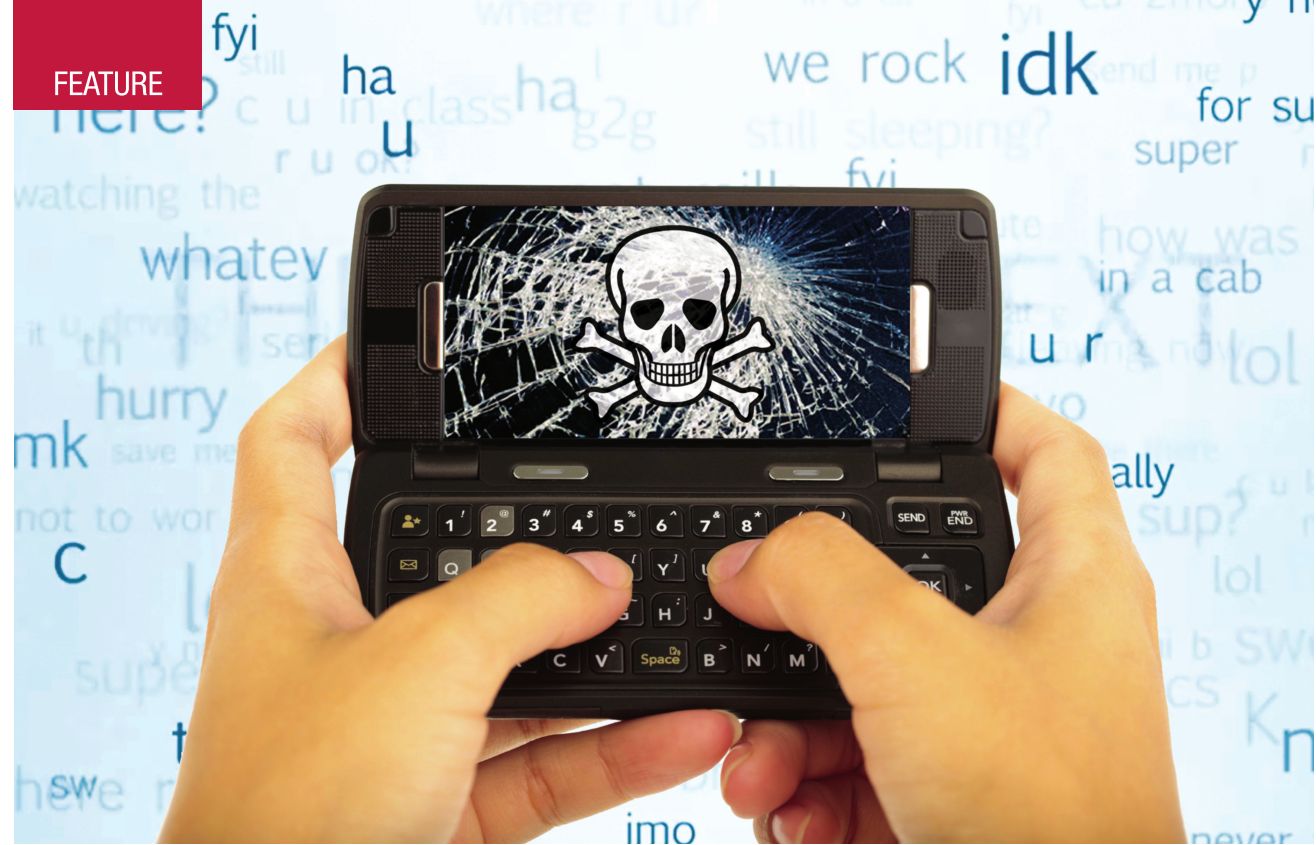
Trying to get teens to stop texting while driving
TECHNOLOGY | Hannah Douglas
Sometimes when 21-year-old Ian Tate is going for a drive and his phone lights up with a new text message, he’ll use one hand to reach for his phone, leave his other hand on the wheel as he reads the message, then text a response. Even though the Springfield native doesn’t really like to text, that hasn’t stopped him from taking his eyes off the road.
Although texting while driving was outlawed in the state of Illinois last year, there are drivers like Tate who continue to steer through the streets with a phone in hand, eyes distracted and a thumb on the keyboard. Unlike these drivers, some central Illinois citizens aren’t taking the issue lightly. They are determined to teach young drivers that texting and driving is not leisurely but lethal.
Before shifting into drive, Tate says he considers the risks and consequences of texting. If it’s a short message that doesn’t take his attention for long, he says he doesn’t see it as a high-risk activity.
“I’m not going to sit here and say I’m pro texting-and-driving, but I’m certainly guilty of it from time to time,” Tate says.
Tate has also been in the car with drivers who were texting, which made him “anxious,” but he didn’t get out of the car because they were people he trusted, he says.
“I certainly believe that they are capable of texting and driving without endangering my life,” he says.
It’s this texting-apathetic attitude in drivers that Bob Nika, driver education and health teacher at Springfield Southeast High School, says has made him “very concerned.”
“I’ve taught for 30 years now and I know these kids aren’t going to put their cell phones down,” Nika says. “They’ve already told me that.”
The young aren’t the only drivers with a phone in hand though. Nika conducted a survey last year, asking 400 Southeast students not about their own texting habits, but instead he inquired about their parents. He says 40 percent of surveyed students indicat ed that at least once per week their parents had texted while driving with them in the car.
“We’ve got an issue here in Illinois and I think we need to address it,” Nika says.
Dominique Edwards, student member of the Springfield District 186 school board, says texting has become commonplace in society, so younger generations of drivers must learn to become good decision-makers. The Lanphier High School senior says she wants to use her time on the school board to focus primarily on campaigning against texting while driving.
“Texting has become a way of life,” Edwards says, as she looks down at her phone that’s flashing with a new message. “It’s a part of us, everywhere. Texting is us.”
It can wait
Edwards serves on a committee with other students from across the United States, as a part of the “It Can Wait” campaign spon sored by AT&T. The campaign asks drivers to simply wait to read or respond to a text until they’re no longer driving. As a part of this committee, she and other students brainstorm ideas, such as making a ring that drivers could wear to remind them not to text if they reach for their phone.
AT&T also has a documentary on its website, www.att.com, called “The Last Text.” It features stories of young drivers who died in car accidents because they were responding to text messages while driving. The last text one driver featured in the documentary ever received before she was killed in a car crash was from her sister and was a simple one-word text message that read “yeah.”
Edwards says waiting to read a text message upon reaching a destination will save a person from a stressful, or even fatal situation that never had to occur in the first place. She says she plans to work with District 186 and community members during her term to confront the issue of texting while driving.


