7 Greener baby’s bottom
A new generation of cloth diapers
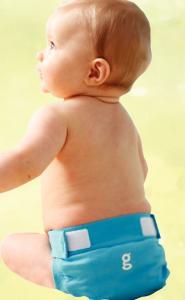
Despite fears that they’re messy, unsanitary and difficult to use, cloth diapers are making a comeback. Sheri Hays, a local speech pathologist turned stay-at-home mom, switched to cloth diapers when her daughter was just a few months old. The baby had sensitive skin, Hays says, so she wanted to find diapers without chlorine or other chemicals.
“The cloth diapers have definitely been gentler on her skin,” she says, “and she seems to prefer wearing the cloth.”
Cloth diapers aren’t the same pieces of fabric secured by safety pins that your mothers and grandmothers used. They’re modern, available in bright colors and prints and meet a variety of parental and baby needs.
Here’s just a sample of what’s out there: Prefold diapers are rectangular pieces of cotton or other fabric that come lined with absorbent material and call for separate waterproof covers.
Fitted diapers come with straps that can be adjusted as your baby grows from infancy to toddler years.
All-in-one diapers have attached waterproof outer covers that snap closed and are bulkier for better absorbency.
Pocket diapers are made with fleece or other soft material and can be fitted with individual, absorbent inserts.
Another plus for Hays, and for many other parents, is the ability to reuse cloth diapers. Instead of sending them to the landfill, empty diapers of solids and store them in a covered container. When you’ve stockpiled enough dirty diapers, throw them in the laundry machine and start with a pre-wash of cold water. Finish with a hot wash with laundry detergent. Expert moms agree that there’s no need to worry — hot water and soap kills any germs and bacteria.
“We were a little nervous at first about cleaning the diapers, but we have not had any trouble with this at all,” Hays says. “We now have another daughter and we are using the cloth diapers on her as well with positive results.”
—Amanda Robert


