We can see the damage; it’s time to address it
It
is never too late to be proactive and make sure your lungs are in good
shape. If you are over the age of 55, you are a prime candidate for a
lung screening crucial in detecting early-stage lung cancer.
CHRISTUS
Shreveport-Bossier Health System offers low-dose CT lung cancer
screening before any signs or symptoms show. With no sign or symptom
present, there is an increased chance of detecting lung cancer at an
early stage.
“If
you are a smoker who is 55-75 years of age – if you have been smoking
heavily your entire life -- you need to talk to your primary care
physician about smoking cessation and having a low-dose CT (LDCT)
screening on your lungs to make sure everything is OK for the future,”
said Dr. Scott Boniol, medical director of CHRISTUS Cancer Treatment
Center.
Smoking
is the most common cause of lung cancer. Other risk factors for lung
cancer include being exposed to secondhand smoke, genetics and chemical
exposure. In some cases, there isn’t a known cause.
Lung
cancer is the leading cause of cancer death in men and women. This year
alone, the American Cancer Society estimates nearly 132,000 people in
the United States will die from lung cancer, while almost 236,000 new
cases will be diagnosed.
Each
year, more people die of lung cancer than of colon, breast and prostate
cancers combined. In most cases, people diagnosed are generally 65-70
years of age; a very small number are diagnosed younger than 45.
Alarming
statistics, yes, but the number of lung cancer deaths and new cases in
the United States continues to drop. The main reason: People are
quitting smoking. There have also been advances in technology and early
detection for those at a higher risk of developing lung cancer, like
this low-dose CT scan available in Shreveport-Bossier.
“You don’t have to have symptoms,
you don’t have to look for symptoms, just consult with your physician
and have the conversation on getting the lowdose CT lung cancer
screening,” said Dr. Boniol.
The
low-dose CT lung cancer screening is non-invasive and uses low
radiation. The screening is recommended for individuals, ages 55-75,
with no signs or symptoms of lung cancer and a smoking history:
• Individuals
with at least a 30 pack-year smoking history (This is the number of
packs of cigarettes per day multiplied by the number of years smoked).
• Individuals who have quit smoking in the last 15 years
•
Current smokers The American Cancer Society continues to research the
long-term effects of e-cigarettes, vaping and non-tobacco smoking.
However, it is important to note the low-dose CT lung cancer screening
is only recommended for those with a tobacco smoking history.
Dr.
Boniol advised that individuals must consult with a physician to decide
if the lung cancer screening would benefit their health. After
considering all factors, the physician will choose to order the
screening. Insurance and Medicare may cover the screening.
Once
referred by a physician, having a low-dose CT scan takes about 30
minutes from start to finish; the actual screening takes less than a
minute to complete. It requires lying on a motorized table that is
slowly passed through the center of a large CT machine while detailed
X-ray images are taken of the lungs. It is quick and painless.
“This
is a fantastic opportunity to catch any type of irregularities sooner
within your lungs so you can get started sooner on a treatment plan,”
said Dr. Boniol.
November
is Lung Cancer Awareness Month and a great time to be proactive and
focus on having healthy lungs. It is important to note that screening is
never a good alternative to stopping smoking. By quitting, people who
smoke can lower their risk of getting and dying from lung cancer.
The
low-dose CT lung screening is a tool to help detect lung cancer early,
as it drastically increases the detection of even the smallest tumors.
When the tumors are found at an early stage, success rates for treating
lung cancer are much higher.
If
you think you are a candidate for this screening, have a conversation
with your physician and ask for a referral that could save your life.
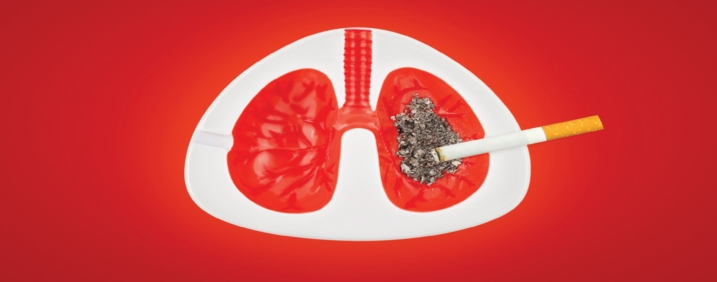
You can’t see what cigarettes have done to your lungs. We can!