
I have Type 2 Diabetes … Reality kicks in!
So … you’ve gotten over the shock of finding out that you have Type 2 diabetes.
You’ve spoken to your family, friends and co-workers and shared with them that you now have Type 2 diabetes. Once they’ve gotten over the shock of what you’ve just shared, they may begin to ask a multitude of questions that are hard to answer and possibly hard to comprehend. Will you ever be able to eat the foods that you like? Are you going to need insulin? Do you have “bad diabetes”? Will you be able to continue going out to eat and having cocktails with us after work?
Will you have to stick your finger and check your blood sugar every day? Can you still compete in our 5K run? How did you “catch” diabetes?
Yikes! Make it stop! All of these questions are common concerns and issues for people newly diagnosed with diabetes. This is why it is so important for you to begin your education on how to self-manage your diabetes as soon as possible. Learning how to manage your blood sugar on a daily basis will calm your fears and enable you to gain back control of your life. Talk to your primary care physician (PCP) and acquire a referral to an out-patient diabetes education center that provides comprehensive education related to diabetes self-management and control.
Your
management plan needs to include individualized education and
suggestions on the following topics: learning all you can about your
type of diabetes; choosing how much, what and when to eat; becoming and
staying physically active; taking prescribed medications as instructed;
checking your blood sugar at planned intervals during the day; getting
and understanding lab work ordered by your PCP; understanding the signs,
symptoms and treatment for low and high blood sugar; and dealing with
the emotional and psychological impact of the diagnosis of diabetes.
I
know this sounds like a lot to learn, and please know that it’s not
going to occur with just one visit. Your management team (PCP, certified
diabetes nurse and dietitian educators, your pharmacist, psychologist
and possibly an endocrinologist) will work with you to create a
management plan that you can live with on a day-to-day basis.
I
recommend focusing your management plan on these three areas initially:
healthy eating, exercise and checking your blood sugar levels.
Healthy eating
for diabetes is not as restrictive as it was in the past. The diet is
not a “one size fits all” plan since people’s lives include so many
different opportunities and options for meals, beverages and snacks.
Before your body developed diabetes, your blood sugar automatically
stayed in control no matter what you ate. This is no longer true! Your
focus now needs to be on eating a variety of foods, including whole
grains, low-carb vegetables, non-fat dairy, lean proteins, fruits and
heart-healthy fats. Work with a dietitian to individualize your eating
plan based on your work, home and family life.
Individualizing
your eating plan enables you to live with your new diet and readily
incorporate it into your daily life. If this is not accomplished,
following and sticking to your new plan will not be easy. Eating healthy
is more than just counting your carbohydrates and dividing by 15 – a
common guideline often taught to newly diagnosed diabetics. You need to
learn that the focus is not on just one food group but on your entire
plate.
Your doctor or
diabetes team members may suggest that weight loss may benefit your
diabetes control. Losing weight will not only improve your blood sugar,
it will also have a positive effect on your blood pressure and your
“good” and “bad” cholesterol levels. Losing 10-15 pounds, and keeping it
off, can make all the difference in your daily control.
Exercise and becoming more physically active is a very important part of managing your diabetes and becoming more “heart healthy.”
Almost
any type of exercise will help you feel better and help control your
blood sugar. Examples of physical activity include swimming, stretching,
walking, biking, taking the stairs at work, using resistance bands,
yoga and lifting weights. Deciding what activity is best for you must
include your physical limitations, your
work and home life schedule and what exercises you actually enjoy. Make
sure to choose an exercise program that you can live with. Don’t start
anything that you can’t or won’t continue regularly!
Checking
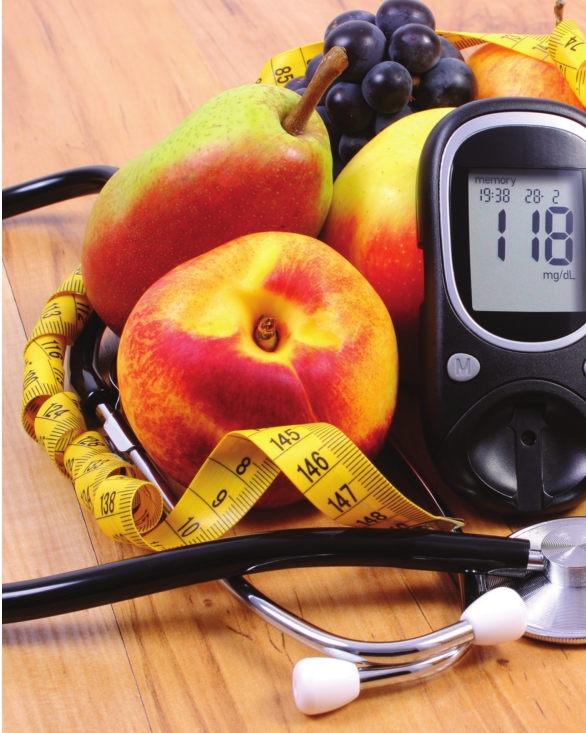
your blood sugar, with a blood glucose meter, is the best and easiest
way to track or measure how food, activity/exercise and your medication
are controlling your blood sugar.
When
you think about it, you are carrying your own special “lab” with you
every day. You may need to check your blood sugar anywhere from one to
six times a day. This will be decided between you and your diabetes
team. Make sure to work with your diabetes educator to find a meter that
is supported by your insurance company and a meter that is easy for you
to use.
Just
remember, the diagnosis of diabetes is not something to take lightly,
but it is a disease that you can control … once you understand how to
control it!
Lisa
Stansbury, MS, LDN, RD, CDE is a licensed dietitian/nutritionist and a
certified diabetes educator. She has been in practice since 1981. She
runs the nutrition program for Freedom From Obesity.