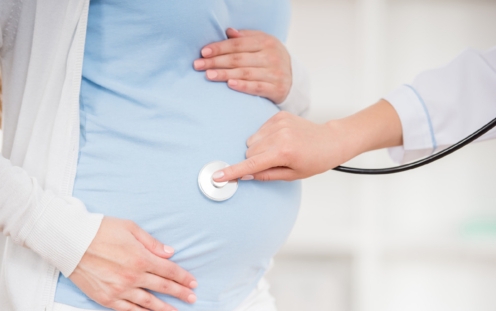
Critical infections can affect unborn infants
“The eyes are the window to the soul.” Just as one can often tell a great deal about a person by looking
at their eyes, pediatric ophthalmologists can often look inside the eye
and see a great deal about serious infections that can be affecting
your baby’s eyes. It is very important to take steps before and shortly
after childbirth so your newborn infant is free of serious infections as
well as toxins and drugs.
TORCHES is
a mnemonic for critical infections that affect the unborn infant’s
eyes, brain and body. The baby within a pregnant woman is protected by a
fluid bag (amniotic sac) and placenta, which nourishes and protects the
fetus, filtering out harmful organisms.
“T” stands
for toxoplasmosis, a very small organism (250 in a row would make a
millimeter). Kittens or cats that go outside can become infected with
toxoplasmosis and pass the organism in their feces. Changing the kitty
litter in less than 24 hours is protective. But the highest risk of
toxoplasmosis is from handling or eating raw meat, unless frozen three
days. Vegetables, especially carrots and lettuce, can harbor the
organism, so a pregnant mother should wash her hands a lot, especially
after handling vegetables raw meat or gardening. Toxoplasmosis can pass
into the mother to the unborn child and inflict serious damage to the
eyes, brain and other organs.
“O” stands
for other, especially for viruses. Zika virus was discovered in 1947 in
Uganda, but few human cases occurred until 2007 in the South Pacific
islands, then the virus spread to Brazil and the Caribbean in 2014. The
first U.S. cases occurred in 2016, mostly
travelers from Latin America. As of February 2017, 5,040 Zika cases were
reported in the USA, 39 in Louisiana. Zika is mostly spread by
mosquitos, but also by sexual contact. Mothers infected have few
symptoms or a flu-like illness, but their infants can become infected
and develop microcephaly from damage to the developing brain, as well as
scars to the retina and optic nerve. Fortunately, mosquito control is
helpful in preventing the disease.
Lymphocytic
choriomeningitis virus is carried by mice and hamsters, a good reason
for pregnant women to avoid these creatures. Infection of the unborn
infant can damage the eye (retina) and brain severely.
“R” stands
for rubella, epidemic of microcephaly, cataracts and heart defects in
the USA in the 1960s, but now uncommon due to a vaccine all infants
receive. West Nile virus can rarely affect infants if the mother is
infected by a mosquito bite. HIV, or human immunovirus, is a serious
worldwide problem that can affect unborn babies, but treatment of
mothers with drugs called anti-retroviral medications has been effective
in reducing transmission to unborn babies.
“C” stands
for cytomegalovirus (or CMV). Sixty percent of Americans have been
infected, most with no or few symptoms. One percent of infants are
infected at birth (30,000 United States), and 3,000 have symptoms at
birth, sometimes with significant damage to the brain, eyes, hearing and
other organs. Others will develop some problems later, mostly hearing
and/or cognitive difficulty. Infants are treated with a medication
called ganciclovir, which helps. CMV is present in all body fluids and
can be sexually transmitted. Day care centers are notorious havens for
CMV and should be avoided by pregnant mothers if at all possible. But
CMV is not present on foods, in water or animals like toxoplasmosis.
“HE” stands
for herpes simplex, present in the saliva of 70 percent of adults, so
don’t let grandparents kiss your little infant in the first month,
especially if fever blisters (caused by herpes simplex) are present.
Herpes
simplex can be sexually transmitted. One thousand, five hundred babies
in the United States are affected at birth. Permanent brain and ocular
damage can occur. Antiviral medications are helpful but not usually
curative. Highest risk for pregnant women is a new herpes infection from
a sexual activity; late pregnancy is no time for new sexual partners.
“S” stands for syphilis, a harmful disease still around, but all pregnant women are screened and treated with blood tests.
Cataracts,
retinal damage and brain damage can develop, so keep those OB
appointments and take penicillin as instructed if a syphilis test
becomes positive.
Newborn
infants can develop infections of the outside of the eye, called
neonatal conjunctivitis. Prevention with antibiotic ointment just after
delivery usually but not always prevents infection, which can usually be
successfully treated if infection does occur.
All
pregnant mothers must exercise great care to keep their bodies clean,
free of alcohol, toxins and contact with harmful bacteria, viruses and
other infectious agents as much as possible.
Following safety measures for infants aid as well. Healthy mothers, healthy babies, healthy eyes.
Dr. Alan B. Richards
is a pediatric ophthalmologist at Highland Clinic. Dr. Richards has
special interest in the treatment of strabismus (eye muscle problems
such as crossed eyes), amblyopia or lazy eye, ptosis or drooping
eyelids, and nystagmus. He is accepting new patients and can be reached
at 222-8402; located at 1400 East Bert Kouns Industrial Loop, Suite 103,
Shreveport. Visit www. highlandclinic.com/staff/alan-richards-m-d for
more information.


