
Stroke care in Northwest Louisiana
Stroke is the unexpected, unwanted, uninvited intruder that can change your life and the lives of your loved ones in a single instant. Not one person ever wakes up and thinks, “Maybe I’ll have a stroke today.” However, for some 795,000 people each year, stroke becomes a reality. In fact, stroke is the fifth leading cause of death and the leading cause of disability in the United States according to the Centers for Disease Control (CDC). As we age, stroke risk increases, but people of any age can be affected.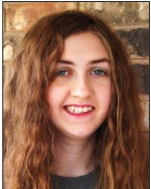
As an emergency nurse and critical care nurse for 14 years, I thought I knew a lot about working with strokes. However, a couple of years ago, my supervisor, Paige Cancilleri, began to really focus on the impact of stroke care and recognized a need for emphasis on stroke care in Northwest Louisiana. Kim Willis, the critical care manager, joined in the effort, and Willis- Knighton recruited Dr. Alan Little, neurologist, to help establish a program focusing on the treatment and recovery of strokes. I moved into the position of stroke coordinator in 2015 as our program began to accelerate.
Today, we treat strokes on a regular basis with the “clot buster” medication. Last November our hospital began offering a procedure that actually retrieves clots from the brain, so now the program has grown from an idea to a reality. WK Pierremont Health Center takes pride in our Stroke Unit center of excellence with stroke-trained staff and excellent patient outcomes.
This is a rewarding job for each of us for many reasons. One of those reasons is Megan. Last year on Jan. 31, she was at home walking into the kitchen when she experienced a sudden weakness on the left side of her body, causing her to fall. The left side of her face started to droop, and her speech became slurred. Her mother called 911, and she was transported via Bossier City Fire Department to WK Pierremont Health Center. Upon arrival to the Emergency Department, nurses and doctors immediately noticed her symptoms, and though somewhat perplexed with her age, began an evaluation for stroke. After testing and evaluation, the physician diagnosed Megan with an acute ischemic stroke.
Megan received the “clot buster” two hours and six minutes after her symptoms began, thanks to the swift ambulance delivery by Bossier City EMS and the quick and accurate medical decision making and actions of the WK Pierremont Emergency Department staff. It has now been 10 months since her stroke. At 20 years old, she has experienced a stroke, received treatment and been rehabilitated. She is walking, talking and enjoying her normal young adult life.
What is a stroke? How would you know if you were experiencing symptoms? What would you do? These are not questions that enter the average mind on a daily basis. However, with the prevalence and increasing incidence of stroke, it is important to be aware of what to do if you or someone you love is affected by this sudden, dangerous situation.
A stroke occurs when blood supply is interrupted to the brain. Oxygen and nutrients are carried to the brain through blood, and a continuous supply is vital for survival of brain tissue. Damage in brain tissue can result in loss of function in the body. A stroke victim may lose the ability to speak clearly or may experience vision loss. One side of the body can become weak or numb. Facial muscles may become weak, causing the face to droop on one side. A person may experience problems with balance or coordination, dizziness, confusion or sudden severe headache.
There are two types of strokes. The most common type (about 80 percent) of stroke is caused by an artery becoming blocked either by cholesterol plaque or a blood clot. This is called an ischemic stroke and does not allow blood to pass through the blocked area of an artery. Blood cannot reach the tissue beyond the blockage, and the brain tissue dies.
The second and less common type of stroke occurs when a blood vessel in the brain bursts and blood spills into or around the brain. This is called a hemorrhagic stroke. Hemorrhagic stroke often occurs due to high blood pressure or aneurysms (weak spots on the wall of an artery). People who present with this type of stroke often complain of a sudden onset of “the worst headache of my life.”
Transient ischemic attack (TIA) occurs when an artery that feeds the brain is blocked for a short period of time. Blood flow may have been slowed or stopped for a very brief time. Some may refer to this as a “mini-stroke.” Symptoms may be any of those listed above, but only last a short time and then disappear. However, TIA requires immediate attention, as this often is a warning sign that a stroke could occur in the near future.
Eighty percent of strokes are preventable. Here are a few tips to lower your risk of stroke:
Control
your blood pressure. If you have high blood pressure, take medications
regularly and monitor your readings. Keep your doctor informed of your
results.
Irregular
heart beat or atrial fibrillation increases your risk of stroke. If you
have atrial fibrillation, your doctor can manage medications to lower
your risk of stroke.
Stop smoking. Your risk of stroke is double if you smoke, due to hardening of the vessels and increased blood pressure.
Alcohol should be consumed in moderation only. Excessive use of alcohol increases risk of stroke.
Monitor and lower your cholesterol.
Cholesterol
leads to plaque buildup. Blood flow becomes sluggish and eventually can
lead to clots. Monitor fat intake. Take medications if prescribed.
Control diabetes. Blood sugars should be monitored and controlled with diet and medications.
Exercise.
Physical activity lowers weight and stress levels. Even light to
moderate activity will increase overall health, lessen depression, and
reduce your risk of stroke.
Limit
fat and sodium in your diet. Remember the acronym FAST: Facial
Droop/Arm Weakness/Slurred Speech/ Time to Call 911. The quicker you get
to the hospital, the faster treatment can begin, and the better your
chance for recovery. Immediate attention should be given to these
symptoms. If you think you are having a stroke, do not waste any time.
Do not go to bed and hope it will be better in the morning. The Food and
Drug Administration approved Alteplase (Tissue Plasminogen Activator),
commonly referred to as “the clot buster drug” or TPA, up to three hours
after the onset of symptoms. Go immediately to the nearest WK emergency
room to assure you have access to WK stroke protocols and our Stroke
Center. All WK emergency nurses and physicians are trained to recognize
and treat strokes.
Our
philosophy is “Time is Brain,” and staff throughout WK work to save as
many brain cells as possible. It is exciting to be part of a dedicated
Stroke Unit established for the focused care of stroke victims.
Pierremont’s intensive care unit staff are educated and experienced in
the care of patients who have received Alteplase as well as those who
may have suffered a hemorrhagic stroke. Physical therapists, speech
therapists and occupational therapists are involved in the initial stage
of recovery. Case management, social services, physicians and nurses
collaborate to ensure that proper care is delivered. With so many
exciting developments in the care and management of stroke patients,
this is an exciting time to be a nurse at Willis- Knighton.
Beth Springer, RN, BSN, Stroke Coordinator, WK Pierremont Health Center.


