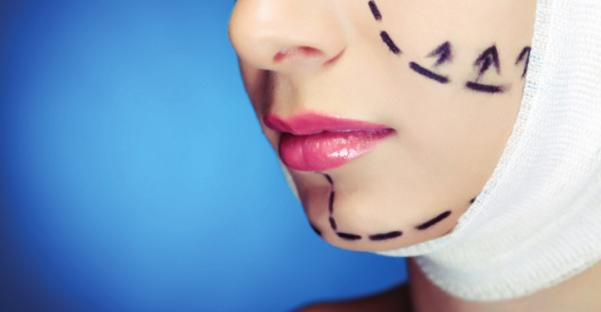
Some turn to plastic surgery to slow aging
Plastic surgery has become increasingly popular for those wanting to make their golden years a bit more polished.
The American Society for Aesthetic Plastic Surgery reported in 2010 that 84,685 surgical procedures were performed on those 65 and older, including facelifts, cosmetic eyelid operations, liposuctions, breast reductions, forehead lifts, breast lifts and breast augmentations.
Some feel uncomfortable with more seniors getting plastic surgery, but assistant clinical professor Nancy Etcoff thinks otherwise. Etcoff researches biology and thoughts concerning beauty at Harvard Medical School.
“Part of our stereotype of old people is that they are social, warm and likeable but powerless and sexless,” Etcoff said in a 2011 article with The New York Times. “Here we are in the age of Viagra, which is very well accepted, but suddenly the idea of older people, mostly women, wanting to be sexually attractive at that age makes us uncomfortable. If an older woman wants to regain eyelids or wants a breast that she doesn’t have to tuck into a waistband, then why not?” But what are the risks of getting plastic surgery as a senior? Are the benefits more limited?
Any operation – whether elective or not – is a risk. With risks of anesthesia and infection, any age group can have a negative outcome in surgery. But, if the patient is older, the risks can increase as the body is not as strong as it once was. Infections become harder to fight. Waking up from anesthesia becomes more of a concern.
Plastic surgery can typically involve extremely invasive procedures, posing a greater risk than many non-cosmetic procedures.
There are not many studies focusing on risks of older patients in cosmetic surgery. However, the Plastic and Reconstructive Surgery Journal released an article in 2011 reporting that those over the age of 65 are at no greater risk than the younger population.
The risk lies not as much with one’s actual numerical age but physiological age. If one has diabetes or high blood pressure, then they are at a greater risk physiologically, no matter age.
But, what about the results? Can older skin be transformed as easily as younger skin? Older patients can take longer to heal, and their results might not last as long as the results in a younger patient. Overall, though, results are not as different as those in the younger population.
To get the most out of plastic surgery, it is important to find a physician one can trust and can communicate with. Communication is vital in plastic surgery consultation appointments because the surgeon must understand what is troubling the patient in order to move forward. Patients should be specific and direct in expressing what they want, and in turn, the surgeon should be truthful about what he or she can accomplish.
For those worried that traditional plastic surgery under general anesthesia is too invasive, alternatives are available. The “mini-facelift” uses local anesthesia, meaning the patient is not put to sleep. It can also be performed as a brief outpatient procedure in the clinic, limiting the risk of infection by not entering a hospital. A surgeon usually makes the incision in front of the ear and tightens the skin in the cheeks and under the eyes. Healing is brief, and patients go home after the procedure. Mini-facelifts do not last as long as traditional facelifts, but they offer a minimally invasive option to those who want a change.
Chemical peels can offer a refreshed look, depending on one’s skin type, without having to go under the knife. Chemical peels are typically offered at both plastic surgery practices and dermatology practices.
No matter one’s age, considering plastic surgery is not a concern to take lightly. Talk about it with your doctors extensively to know if it is right for you. It can be incredibly beneficial – many studies report a positive psychological change following plastic surgery – but it is difficult to reverse.


