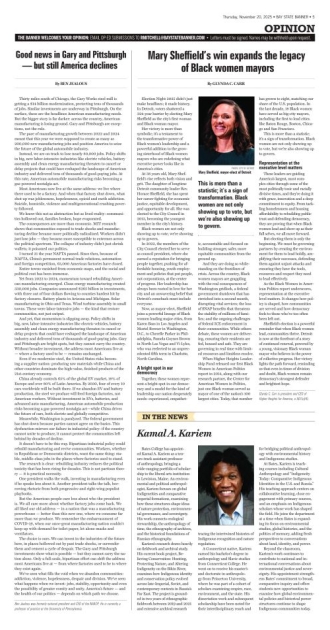
Kamal A. Kariem
Bates College has appointed Kamal A. Kariem as a tenure-track assistant professor of anthropology, bringing a wide-ranging portfolio of scholarship to the liberal arts institution in Lewiston, Maine. An environmental and political anthropologist, Kariem focuses on global Indigeneities and comparative imperial formations, examining how these structures shape ideas of nature protection, environmental governance, and sovereignty.
His work connects ecological stewardship, the anthropology of time, the ethnography of archives, and the historical foundations of Russian ethnography.
Kariem’s research draws heavily on fieldwork and archival study. His current book project, Believing Conservation: Hunting, Protecting Nature, and Altering Indigeneity on the Bikin River, examines how Indigenous identity and conservation policy evolved across late-Imperial, Soviet, and contemporary contexts in Russia’s Far East. The project is grounded in two years of ethnographic fieldwork between 2019 and 2021 and extensive archival research tracing the intertwined histories of Indigenous recognition and nature regulation.
A Connecticut native, Kariem earned his bachelor’s degree in anthropology and Slavic studies from Connecticut College. He went on to receive his master’s and doctorate in anthropology from Princeton University, where he was part of a cohort of scholars examining empire, race, environment, and the state. His dissertation work and subsequent scholarship have been noted for their interdisciplinary reach and for bridging political anthropology with environmental history and Indigenous studies.
At Bates, Kariem is teaching courses including Cultural Anthropology and “Indigeneity Today: Comparative Indigenous Identities in the U.S. and Russia.” His teaching approach centers on collaborative learning, close engagement with primary sources, and an emphasis on Indigenous scholars whose work has shaped the field. He joins the department at a time when Bates is expanding its focus on environmental studies, global histories, and the politics of memory, adding fresh perspectives to conversations about land, identity, and power.
Beyond the classroom, Kariem’s work continues to contribute to national and international conversations about environmental justice and sovereignty. His appointment strengthens Bates’ commitment to broad, comparative inquiry and offers students new opportunities to examine how global environmental policies and historical power structures continue to shape Indigenous communities today.