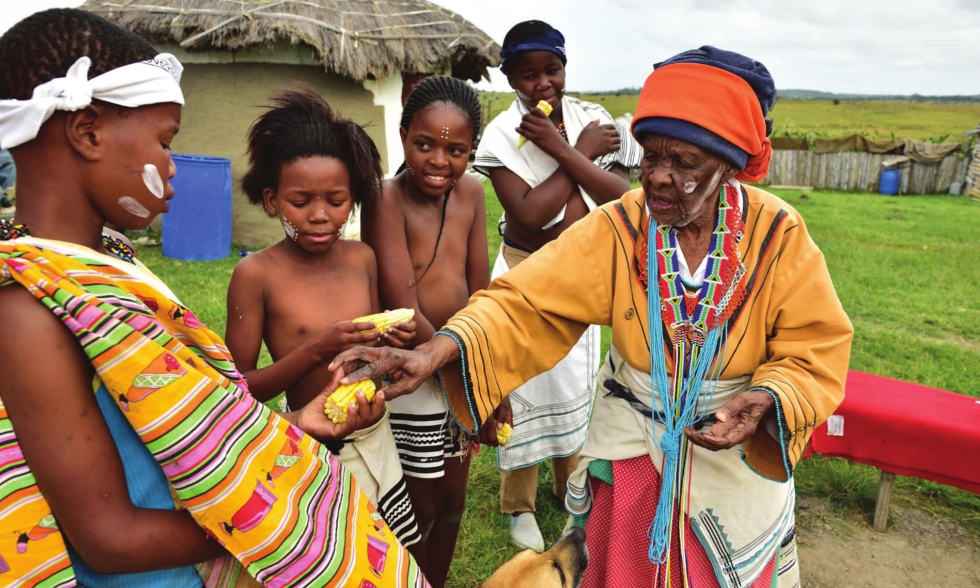
Mama Tofu, Qunu, Eastern Cape, South Africa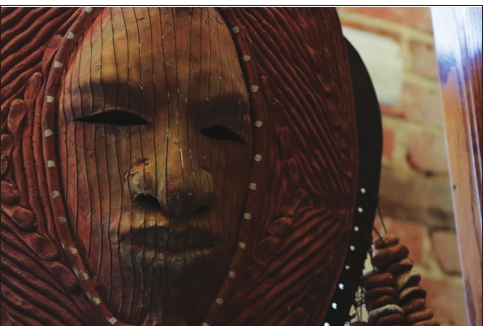
Shade of Afrika Sculpture
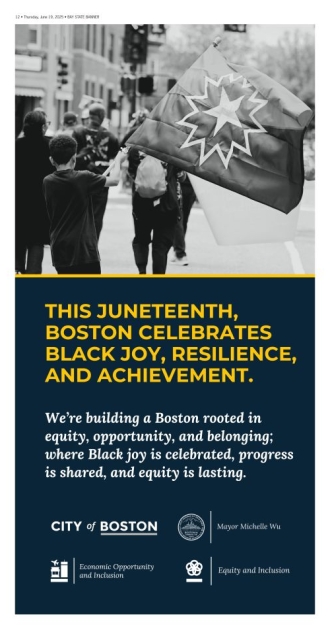
Each year millions of people throughout the country celebrate Juneteenth. The holiday, made official in 2021, is the perfect time to uphold sacred traditions and give thanks to the ancestors who have paved the way.
In a day and age where history is being rewritten and retold, it’s important now more than ever to uphold traditions of the Black community.
Dr. Clinton Bolton, a psychologist, believes upholding tradition can give way to a strong sense of ancestral connection and belonging.
“Honoring tradition allows individuals to reflect on the progress made and the ongoing fight for equality, fostering a profound connection to their ancestry and boosting self-esteem,” said Bolton. “It also has the ability to heal generations from the epigenetic trauma of slavery.”
Whether
it’s reading Black literature, attending a cookout or learning
something new about Black history, members of the Black community have a
variety of options when it comes to grounding oneself in the pride and
identity that accompanies many Black traditions.
As
the Black community has faced—and continues to face—generational trauma
and family displacement, honoring Black triumphs in time on an annual
basis can help preserve the rich heritage of African Americans and their
holidays, like Juneteenth and Kwanzaa.
The
calls to bring back certain Black traditions from the old days, such as
eating together, supporting the work of griots who passdown stories,
drum circles,
attending homecomings at a hometown church, quilting or simply spending
time with elders is growing louder.
Bolton
said that participating in Black community rituals can go a long way in
“preserving the memory of past struggles and triumphs, such as the
emancipation of enslaved African Americans in 1865.”
“This is crucial for resilience and empowerment,” he added. “It highlights the endurance and strength of the Black community.”
Psychiatric
nurse Robyn Manning agrees, saying in an AFRO interview that Juneteenth
marries the ideas of identity and empowerment.
“Understanding
where we come from is empowering,” said Manning. “Without having a
sense of identity, it really is hard to stand on anything.”
This post was originally published on Afro.