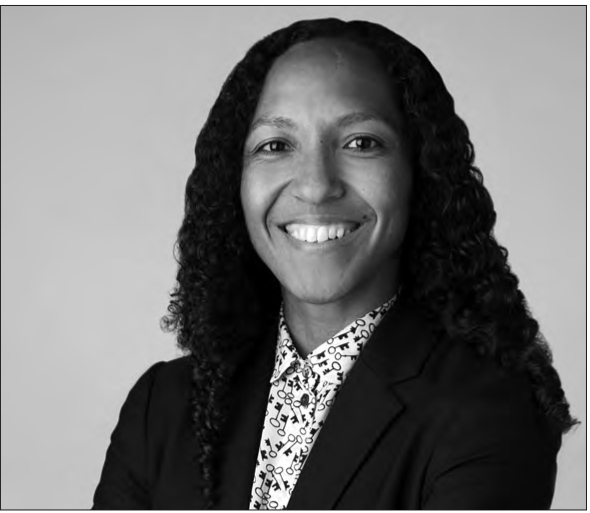
Selecca
Bulgar-Medina, director of government affairs at Project Bread, called
the program “a groundbreaking initiative that brings together two
previously separate but essential systems — health care and food
security — to better serve Massachusetts residents.”A statewide initiative is working to address food insecurity by connecting residents to nutritional support through MassHealth.
The program, called the Health Care Partnerships program, links patients through medical providers to food vouchers and nutrition information if they have a qualifying medical condition.
Supporters and organizers of the program point to food security as a prominent social determinant of health — things that impact a person’s quality of health but aren’t directly related to medical care.
“There is nothing more important than a roof over your head and food on your table. Right after that comes healthcare,” said Sen. Cindy Friedman, co-chair of the Joint Committee on Health Care Financing.
Selecca Bulgar-Medina, director of government affairs at Project Bread, a food security nonprofit that organized the program, called it “a groundbreaking initiative that brings together two previously separate but essential systems — health care and food security — to better serve Massachusetts residents,” at a legislative briefing about the effort on Feb. 25.
Under the program, Mass- Health members can receive support accessing things like $100 monthly vouchers for fresh food, up to $1,650 for kitchen equipment, one-on-one nutritional counseling and cooking classes as needed if they have a complex physical health condition behavioral health condition, challenges with daily activities like preparing their own food, being pregnant and frequent emergency department use.
Patents must be referred through an accountable care organization — a group of doctors, hospitals, and other healthcare providers focused on high-quality care for Medicare patients.
The effort makes use of the Medicaid 1115 waiver, a process through the federal Medicaid system that allows each state to make tweaks and variations to how it runs the program to experiment with new offerings.
Staff at Community Care Cooperative, or C3, an affordable care organization founded and governed by federally qualified community health centers in Massachusetts, said the program has seen increased success in connecting residents with food resources compared to other efforts to connect patients.
C3 was the first partner to work with Project Bread on the initiative. Now, the nonprofit works with 10 accountable care organizations. Jen Obadia, senior director of Health Care Partnerships at Project Bread, said that this spring, Mass General Brigham will be joining as well.
Kim Prendergast, vice president of policy at C3, said that 92% of the affordable care organization’s eligible members were successfully connected under the new program.
In comparison, simple referrals or handing patients printed materials tend to have a lower success rate. A 2019 study in the Permanente Journal found that written or verbal information alone had linkage rates of up to 4%, even with individually tailored referrals.
Part of that success, they said, was due to a targeted flow that connects and then follows up with participants. When they join, participants go through an intake assessment and receive a six-month action plan. One-on-one case management checks in every few months to make sure the services are effective.
“This program recognizes that each person’s food insecurity is a little bit different,” said Rep. John Lawn, co-chair of the Joint Committee on Health Care Financing.
The program is an adjusted version of a pilot called the Flexible Services Program that ran in 2020. Over the five years it ran, that program served almost 17,000 individuals.
In
that time, Obadia said that within six months after enrollment, Project
Bread saw a 19% reduction in food insecurity among members and a 30%
increase in participation in the Supplemental Nutrition Assistance
Program. Members had an increase of four servings of fruits and
vegetables per week.
Six
months later, through a survey conducted by Project Bread through
funding by the Dana Farber Cancer Institute, over three-quarters of
participants were still enrolled in SNAP.
Eighty-four
percent had reported increased satisfaction with their health centers,
which health center staff anecdotally reported increased adherence to
other advice from doctors and better attendance at appointments.
“The
outcomes that we have to share with you today demonstrate the
importance of giving individuals choice, meeting them where they are,
and connecting them with staff members who speak their language and
share their culture so that the recommendations that are being made for
changes to how they eat — which is such a core component of culture for
all of us — are appropriate and things that will be acceptable to them,”
Obadia said.
Under the new program, Obadia said that Project Bread expects to continue serving at least 7,000 members annually.
The
1115 Waiver effort comes as a coalition of organizations and
individuals, including some state legislators and other officials, aim
to eliminate food insecurity across the state.
In
a campaign launched in April, the Make Hunger History Coalition set a
goal for Massachusetts to be the first state to permanently end hunger
through policy changes, community engagement and collective action.
Project Bread is at the helm of that campaign, which includes more than
200 organizations and advocates.
The effort attracted the attention of Rep. Ayanna Pressley, who announced in August her decision to join the initiative.
“Another
world is possible, and I believe Massachusetts can be the first state
to end hunger — permanently,” she said in a statement at the time. “We
can build that world through transformative legislation and sustainable
movements like these.”
According
to a statement from that coalition’s steering committee, the key to
that vision is structural change rather than short-term support.
That
goal is true of the Medicaid waiver’s efforts as well. Prendergast said
the Health Care Partnerships Program isn’t aiming to provide food
vouchers in perpetuity but through other pieces, like nutritional
counseling and cooking equipment, to set members up for success.
Which
can mean a lot for members. Emily Tejeda, a nutritional services
coordinator at Project Bread, said that efforts like the Health Care
Partnerships Program are about more than just solving a problem but
making community members feel seen, heard and valued.
“It’s
not just about addressing immediate food needs, it’s about restoring
dignity, autonomy, hope, and just a sense of possibility for the
future,” she said.