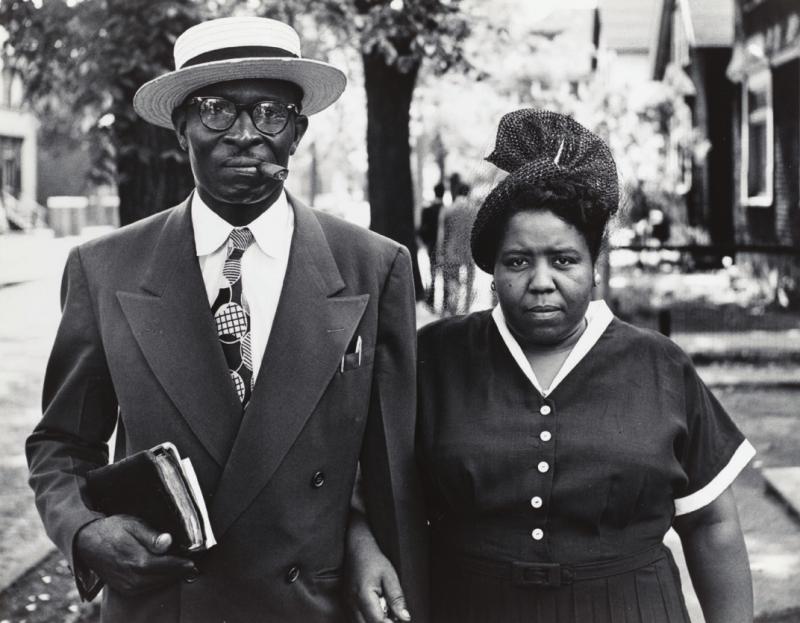
Husband and Wife, Sunday Morning, Detroit, Michigan, 1950; Gordon Parks (American, 1912–2006), Photograph, gelatin silver print, Gift of The Gordon Parks Foundation. PHOTOGRAPH © MUSEUM OF FINE ARTS, BOSTON
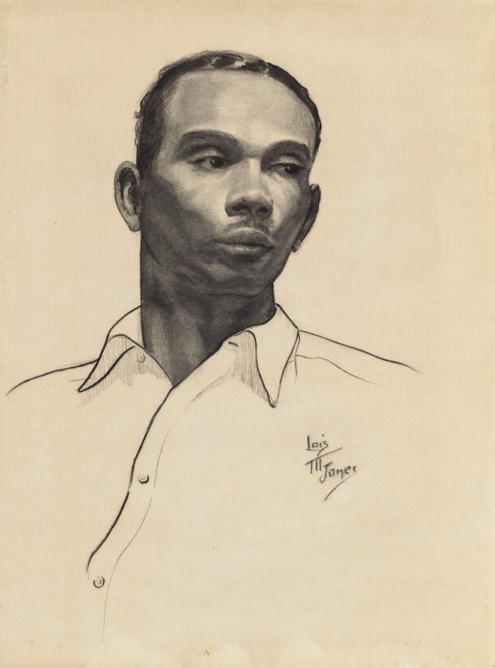
Negro Student, 1934; Loïs Mailou Jones (American, 1905–1998);
Charcoal on paper. Gift of the Loïs Mailou Jones Pierre-Noël Trust. ©
Lois Mailou Jones Pierre-Noel Trust. PHOTOGRAPH © MUSEUM OF FINE ARTS, BOSTON
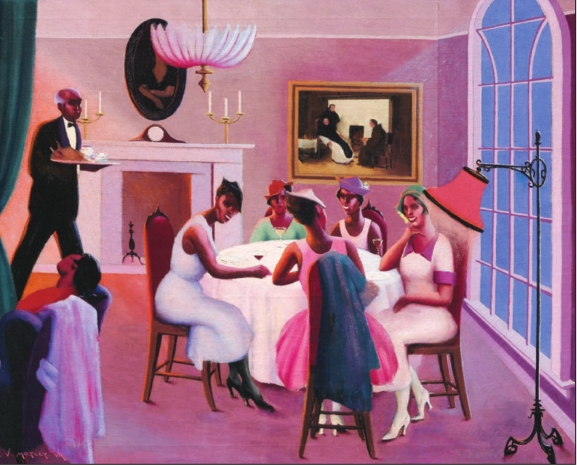
‘Cocktails,’
about 1926; Archibald Motley (American, 1891–1981); oil on canvas; The
John Axelrod Collection—Frank B. Bemis Fund, Charles H. Bayley Fund, and
The Heritage Fund for a Diverse Collection, © Valerie Gerrard Browne.
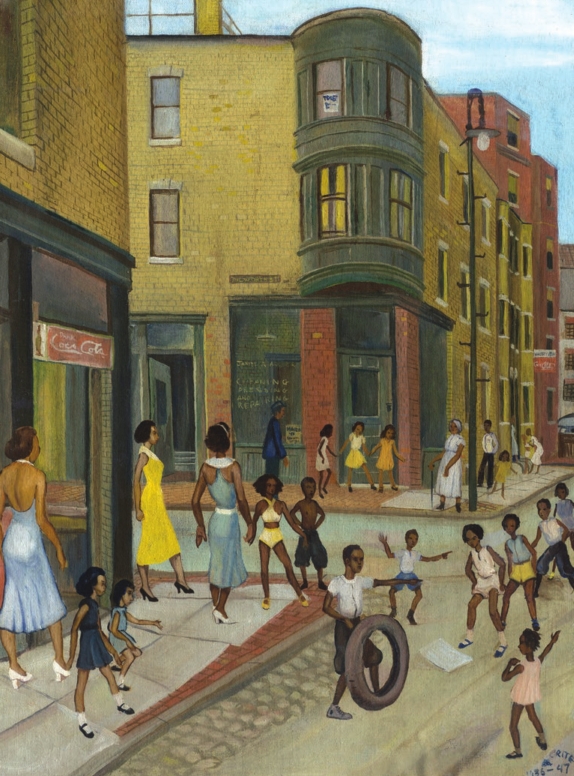
‘Tire
Jumping in Front of My Window,’ 1936–47; Allan Rohan Crite (American,
1910–2007), oil on canvasboard; Charles H. Bayley Picture and Painting
Fund and The Heritage Fund for a Diverse Collection.
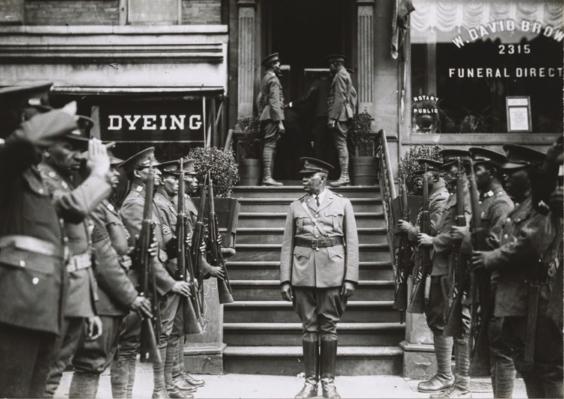
369th
Regiment (World War I Regiment from Harlem), about 1916, James Augustus
Joseph Van Der Zee (American, 1886–1983); photograph, gelatin silver
print; The Heritage Fund for a Diverse Collection.
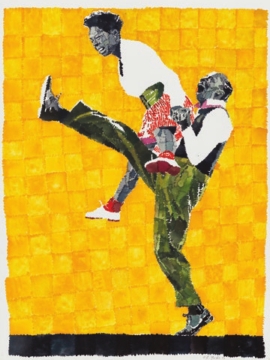
‘Savoy:
Leon & Willa Mae,’ 1989, Richard Yarde (American, 1939–2011) After:
a photograph by Gjon Mili (American (born in Albania), 1904–1984);
watercolor on paper; Museum of Fine Arts, Boston. The Heritage Fund for a
Diverse Collection © Richard Yarde 1989.
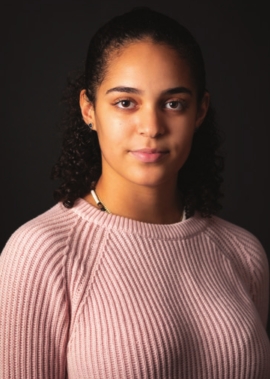
Jennifer Rosa, teen curator.
Youth curators of color shine at the MFA
There’s a new group of art curators at the Museum of Fine Arts, Boston, and most of them are still in high school. “Black Histories, Black Futures,” opening at the museum Jan. 20, showcases the talents of young scholars as part of new partnership between the MFA and local youth empowerment organizations such as Becoming a Man, The BASE and the Bloomberg Arts Internship Boston program managed by EdVestors.
Jennifer Rosa is a senior at John D. O’Bryant School of Mathematics and Science and lives in Mattapan. Her section of the larger show is themed “Smile in the Dark.” She says, “What surprised me the most about this process was the history behind most of the paintings and photographs that I picked. Works by Dawoud Bey were the most powerful to me, because he photographed black people living ordinary lives and being unapologetically happy during a time when being black wasn’t easy.”
The young scholars received mentorship from Layla Bermeo, the MFA’s Kristin and Roger Servison Associate Curator of Paintings, Art of the Americas, along with other curators throughout the museum during the program. They participated in workshops to learn about the curatorial process, from selecting artworks to writing labels and designing the gallery space. Importantly, the program was a paid fellowship, compensating the young people for their time and effort in putting the show together.
“Black
Histories, Black Futures” also represents a larger effort by the MFA to
shape more inclusive programming and to make the space accessible to
visitors of all backgrounds. “It’s important to celebrate all artists in
the MFA,” says Rosa. “We should have equal representation of art in a
place where millions of people go, because art shouldn’t be devalued
based on the color of the artist’s skin.”
The
show, which runs through June 20, 2021, has prime real estate in the
museum as well. Situated on the walls between the Huntington Avenue and
Fenway entrances, the show forms a bridge through the center of the
building. It opens on the free Martin Luther King Jr. Community Day,
Monday, Jan. 20, and according to the museum will serve as a centerpiece
(literally) for the museum’s 150th-anniversary celebrations in 2020.
Rosa
plans to take what she’s learned with her into studies of arts and
humanities at a college in New York. She says, “I hope visitors leave
this exhibition in complete awe, because an institution that has been
open for over 150 years finally sheds light on artists who look like me
and aren’t white.”
ON THE WEB
Learn more about the student curators at: www.mfa.org/article/2020/mfa-stories-prideof-place
Exhibit information: www.mfa.org/exhibition/black-histories-black-futures


