We can raise money without sacrificing health
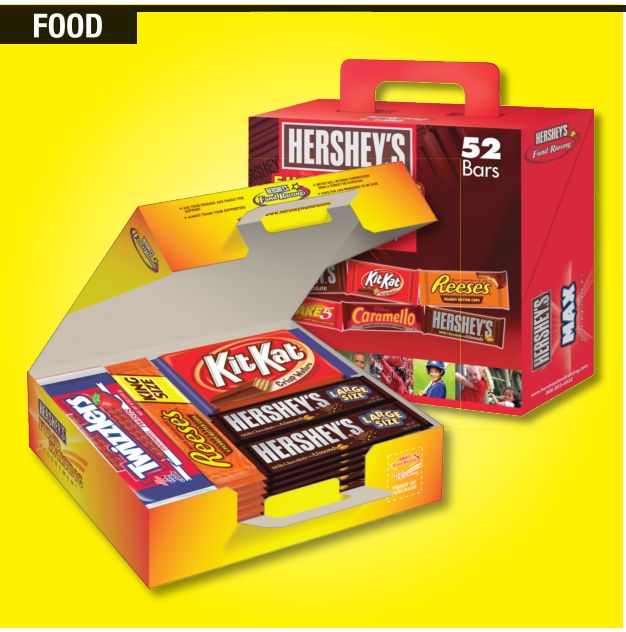
It’s fundraising season again. Kids are returning home from school with cookie dough and popcorn order forms, and churches and community groups are gearing up for their annual holiday bake sales. It’s hard to say no to the bright-eyed kid selling candy bars to raise money to buy new baseball uniforms, and why should we? It’s for a good cause, right?
Obesity and its related conditions have now surpassed smoking and drinking as the number one cause of preventable death in the U.S. This epidemic is being driven by several factors. As a society, generally we are under-active and we are not eating fresh food prepared at home. And we are surrounded by sugar. No longer a special sometimes food, sweet treats and just generally sugary foods have become a regular fixture in our diets. Breakfast is cinnamon toast crunch topped with chocolate milk, or a seemingly “healthy” but oh-so-sugary organic yogurt and granola. During school you get a few more pieces of candy as a reward for good behavior, or for grownups, a sugary coffee in the morning and a soda at lunch. After-school activities wrap up with a piece of candy on the way out, and there’s a stop at the bank on the way home. Another sucker. Dinner is Orange Chicken (which contains nearly a full day’s allowance of sugar in one serving) from your favorite Chinese drive-through. To top it all off, now you’re supposed to sell cookie dough to your family and co-workers to help raise money for school. Or whip up some brownies to sell at the church bake sale.
So goes a typical day for so many Americans. We’re not bad people, we’re just living and working in a toxic food environment. This phrase describes our unparalled exposure to highly processed, high-calorie, high-fat, high-sugar, heavily marketed, cheap and readily available foods. This environment is the result of the dynamic, fast-paced world we live in. The majority of food sold in supermarkets is not fresh – most of it is highly processed, packed with a laundry list of artificial preservatives, and labeled to make you believe it’s healthy. According to a 2013 Gallup poll, 50 percent of Americans eat fast food out at least once per week, and 30 percent eat fast food every day. And we’re not just talking about drivethrough. Much of the food served in large sit-down chain restaurants and in many smaller restaurants is also highly processed, heat-and-serve food out of a box, it’s just been put on a nicer plate. All this wouldn’t be so bad if it weren’t for the devastating and costly repercussions of our sugar-coated lifestyle.
I don’t want to come off as a sugar hater. I’m a chef – sugar is an important ingredient to use when balancing a sauce or salad dressing. I love to make beautiful, decadent desserts to help celebrate traditions and mark the milestones in our lives. Once reserved for these special moments, excessive amounts of sugar have become part of every meal, drink and snack. The result is that young people, some in their early teens, are being diagnosed with fatty liver disease and type 2 diabetes (what used to be called “adult onset diabetes” because it was rarely seen in children).
In these difficult financial times, fundraisers have to get creative to meet their budgetary needs. Money is tight everywhere, and selling a few candy bars to raise money for sports uniforms seems like an innocuous venture. Unfortunately, the long-term cost of those candy bars will one day outweigh the benefit of the 50 cents they raised. Currently one in three children in the United States is overweight or obese, and if we keep up this current trajectory, half the nation will be obese in 15 years. There will be profound consequences for our productivity, national security and ability to live joyful, vital lives.
With all this in mind, let’s look beyond the bake sale for more healthful ways to raise money for your school or organization. Host a 5k walk/run, organize a trash or treasure garage sale, set up a car wash, hold a plant sale, or raffle off chances to win an item donated by a local jeweler or bicycle shop.
If you have to contribute to a bake sale, consider making a nutritious, wholesome item such as these Almond Sesame “Fudge” Balls. They are a no-bake whole food treat that, while high in calories, is very nutrient dense and full of fiber, perfect for a snack before a workout or sports practice.
Sesame Almond “Fudge” Balls A sticky sweet vegan treat!
• 1 pound pitted Medjool dates
• 1 cup roasted almond butter
• 1 teaspoon pure vanilla extract
• 1/3 cup each toasted sesame seeds and unsweetened shredded coconut
• Flaky sea salt, for garnish Combine dates, almond butter, and vanilla in the bowl of a food processor.
Blend until totally smooth (this might take a few minutes). Roll teaspoons of the date mixture into balls, then roll the balls in the sesame seeds and coconut mixture. Sprinkle with sea salt and refrigerate until firm. Store in the fridge for 10 days or keep in the freezer for 3-4 months.
Ashley Meyer is the executive chef for genHkids, a Springfi eld-based nonprofi t that seeks to empower children and their families to live active, healthy lives. Meyer works with genHkids garden educator Andy Heck to help unravel the mystery of where food comes from and how to prepare it. The genHkids community garden is located at Third and Canedy streets in Springfi eld and is open to the public.