The Ark of Taste highlights heritage foods
Consumers today seem to
have more choices at the grocery store than ever before. My
great-grandmother would have marveled at the red strawberries available
in grocery stores in the middle of winter. Global supply chains and
industrial agriculture make it possible to buy strawberries, tomatoes
and other crops year round. Local farmers and gardeners take advantage
of new hybrid varieties of sweet corn that is sweeter and ready to
harvest weeks earlier than the old heirloom types like Golden Bantam and
Country Gentleman. What these old-time varieties lack in sugary
sweetness and garden reliability, they make up for in delicate, nuanced
flavor. Often, modern produce and livestock varieties have traded in
superb taste for high yields, disease resistance and longer shelf life.
Ironically, while our choices in the supermarket seem to be ever
expanding, the diversity of plant and livestock varieties available is
rapidly shrinking.
This
shrinking biodiversity in our agricultural system has consequences
beyond flavor. Bananas are one of the oldest cultivated fruits in the
world, with hundreds of different varieties. However, just one variety
of banana, known as Cavendish, is predominantly
cultivated and distributed worldwide. Unfortunately, it is being
decimated by Panama Disease, a soilborne fungus that attacks the roots
of the banana plant, eventually resulting in crop loss. Because of the
lack of diversity in the commercial banana industry, this disease has
the potential to wipe out global production of bananas within the next
decade. Researchers believe that increasing genetic diversity in banana
breeding programs is a critical step in keeping this crop available to
consumers.
Lack of
biodiversity in our agricultural system leaves crops more susceptible to
disease and infestation. When such an extremely limited variety of
crops are cultivated, the options available to farmers who experience a
crop failure become extremely limited. Many heritage varieties of
produce and livestock are becoming virtually extinct, along with our
culinary experiences of these foods as a part of our cultural fabric.
In
1996, Slow Food International began a project called the Ark of Taste
to catalogue endangered heritage foods that are sustainably produced,
unique in taste and part of a distinct eco-region. The mission of the Ark of Taste goes
beyond simply listing at-risk foods from around the world, to actively
encouraging their cultivation and consumption. Since its inception in
1996, more than 3,500 products from more than 150 countries have been
added to the list. It is intended to serve as a tool to chefs, farmers,
ranchers, gardeners, educators and consumers to seek out and celebrate
diverse biological, cultural and culinary heritage.
The
local Springfield Slow Food Chapter will host its first annual Ark of
Taste dinner on Oct. 1. This event has been months in the making, and
produce served at the event was specifically selected and cultivated for
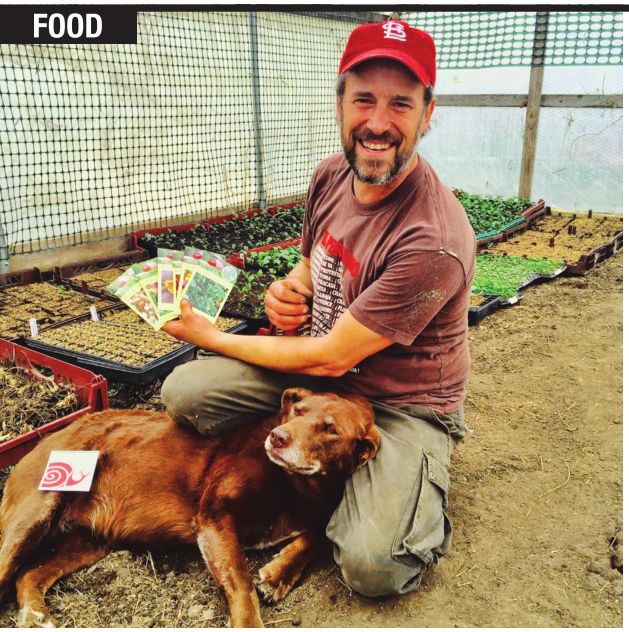
it by local farmers. Gardeners Garrick Veenstra, Sally McDaniel-Smith
and Alana Reynolds agreed to grow six Ark of Taste varieties to serve at
the dinner, including Sibley squash, Tennis Ball lettuce, Early Blood
Turnip beets, Aunt Molly’s ground cherries, Beaver Dam peppers and
Sihasta Shield beans. It was a struggle growing some of these heritage
breeds – squirrels took a liking to Aunt Molly’s ground cherries and
squash bugs completely took out the Sibley squash plants that Reynolds
had planted. As a result, Dickinson Squash will stand in for the Sibley
Squash at the Ark of Taste dinner. While Dickinson Squash is not
currently included in the Ark of Taste catalogue, Reynolds has been
working with students at Butler Elementary in their school garden to
grow it and nominate it to be included in the Ark’s catalogue of
endangered products. “I’m doing it for the stories really,” Reynolds
said. “Kids love it when a seed has a story, and it’s cool to be growing
something from the past and helping to save it from extinction.”
Joe
Bartletti raises Red Guinea Hogs at his Red Barn Heritage Farm in
Mechanicsburg. This is an Ark of Taste heritage breed, and will provide
meat for the event. The hogs are a small, black, furry breed, known to
be
particularly friendly and are native to the American Southeast. Also
known as Acorn Eater hogs, these hogs were once the most numerous pig
breed found on homesteads in the American Southeast. Bartletti began
raising guinea hogs in 2012 as a way to put underutilized land on his
homestead to work. The hogs were allowed to forage all summer on nuts
and berries in the wooded areas of the homestead, with hay and kitchen
scraps supplementing their foraged diet. A true slow food, guinea hogs
take longer to reach a harvestable size and Bartletti feels the quality
of the meat is far superior to modern commercial pork.
The
dinner is to be a casual affair, served family style. Guests will be
able to truly experience these foods and interact with the farmers and
growers who worked to bring them to the table. If these heritage foods
are to survive, modern consumers must take an interest and help to bring
them to the table. More is at stake than simply preserving varieties of
exceptional taste and cultural importance. Increasing biodiversity is a
critical step in stabilizing our modern food system and creating a
sustainable agricultural infrastructure.
Slow
Food Springfield’s first annual Ark of Taste dinner will be held at 6
p.m. Oct. 1 at the Springfield Motor Boat Club, 17 West Club Area.
Tickets are $31.50 for Slow Food members and $36.50 for nonmembers, and
will be available until Sept. 28 at http://
slowfoodspringfield.org/event/ark-of-tastedinner-springfield-motorboat-club/
Ashley Meyer is the executive chef for genHkids, an organization
that works to improve children’s health through improved nutrition and
fitness. One strategy implemented by genHkids is installing gardens in
schools and throughout the community and working with kids to increase
their awareness of the natural world and the origins of food.