Giving troubled youth a chance to grow
Springfield-based IIAA uses sports as therapy
SPORTS | Patrick Yeagle
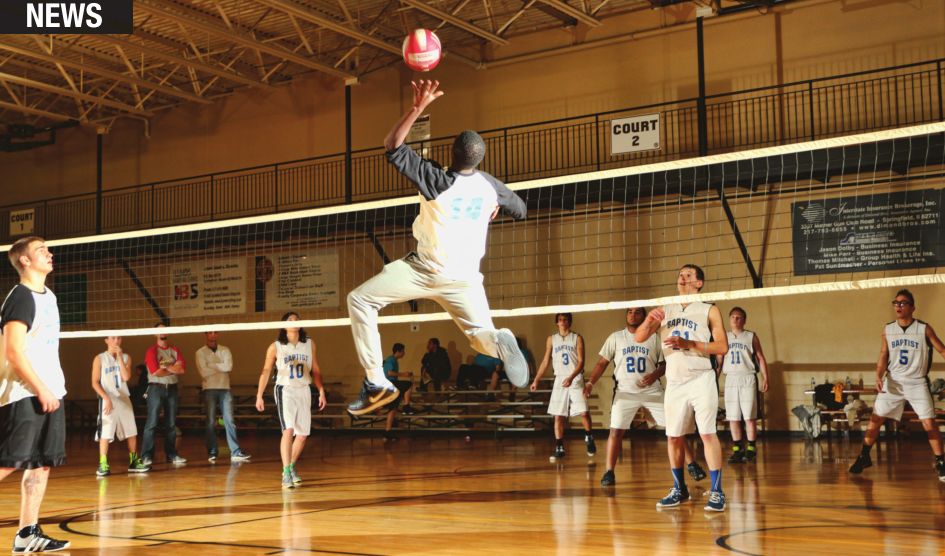
Urgent shouts and the squeak of sneakers fill the basketball courts on the second floor of Gold’s Gym in Springfield. Volleyball nets span four courts, each filled with teenagers. Their eyes are fixed on the ball as it sails across the net and, for the moment, they can lose themselves in the game. They can just be kids again.
That’s important because most of the teens playing have grown up too quickly and have learned things they shouldn’t yet know. They’re mostly wards of the state, living in residential treatment facilities to help them overcome the effects of abuse, neglect and addiction.
The volleyball tournament in which they played on Dec. 13 was part of the Illinois Inter-Agency Athletic Association (IIAA), which uses sports as therapy for children and teens in the state’s care. Sponsored by the Illinois Department of Children and Family Services, IIAA started in 1976 and is based in Springfield. Besides volleyball, IIAA organizes leagues for soccer, basketball, swimming, bowling and several other sports.
Tom Corr, IIAA’s executive director and sole employee, has led the organization since 1979. He’s tall – probably close to seven feet – and seems to know everyone in the room, including the youth.
“These kids give me so much energy,” Corr said. “They’re just so appreciative. These are some tough kids, but they’ll come up to me unprompted and just say thanks.”
Corr is eager to highlight a positive aspect of the state’s residential treatment system in light of a recent investigative series in the Chicago Tribune which detailed violence and other abuse against youth in some residential facilities around the state, mostly at the hands of other youth. The horrors described in the Tribune series seem miles away as the kids focus intently on their volleyball games, sometimes laughing, smiling and high-fiving.
Corr praises the commitment by DCFS to funding the IIAA program, especially in light of DCFS’ tight budget and the problems highlighted by the Tribune.
“I know they’ve been scrutinized a lot lately,” Corr said, “but they have always recognized that this is a good program.”
Walter Hayward coaches the team from Norman C. Sleezer Youth Home in Freeport. One of his players, a teenage girl, was anxious about playing in front of other people. He gently urged her to try hitting the ball once or twice, taking a break and repeating until she felt comfortable. Hayward says that anxiety is not uncommon, but he has seen players become more confident through IIAA and even go on to play sports in college.
“One of my jobs is to build their confidence,” Hayward said. “You start seeing that progress. A lot of times you have girls who have different backgrounds and have gone through different things – traumatic and all. Doing something like this gives them an opportunity to have fun and build trust with each other.”
Sports is an especially useful tool when dealing with troubled youth, Hayward says, because it keeps them out of trouble and teaches them to be part of a team.
“I tell my girls all the time that we can come down here and get first place, but if our sportsmanship is terrible, I feel like we’ve lost,” he said.
One player, M, from Riverside Resolve rehabilitation center in Manteno, says he started in the league during soccer season, and he appreciates the chance to grow personally and socially.
“It opens us up to different things,” M said.
“I figure I’ve changed because it’s helped me interact with my peers more. If you don’t like a person, but they’re on the same team, you have to get along with them. I feel like I’ve built relationships since I’ve been here.”
Allison Parkhurst, a specialist at Cunningham Children’s Home in Urbana, coaches her facility’s volleyball team. Many of the youth have never been on a team before and might not have any other opportunities to do so, Parkhurst said. Her team received a commendation from a volunteer for clapping after every point was scored, whether for their team or their opponents, which she attributes to IIAA’s specific focus on sportsmanship.
“We want it to be fun. Everyone’s here not to be all-stars, but to enjoy themselves,” Parkhurst said. “Just giving them a chance to build those team relationships and work on their skills in a positive environment – it’s all worth it.”
Contact Patrick Yeagle at [email protected].


