6. Safety matters
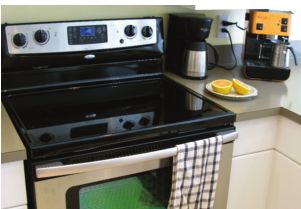
Safety should be a primary concern in the kitchen. Carefully consider the potential hazards in your kitchen design. An oven next to a hallway, for example, puts someone at risk for stumbling into an open oven door. Investigate some of the new “smart home” technology, such as ovens with lock-out features, and “universal design” products that are user-friendly across generations and for a range of physical abilities.
7. Light up your life
Don’t wait until the project is over to determine that your kitchen is too dark. While you may consider lighting to be the finishing touch for your room, it’s among the earliest decisions you must make, since the wiring needs to be installed in the walls, behind the cabinets. Plan to use three forms of lighting in your kitchen: ambient, task and accent.
Ambient lighting illuminates the entire room. Task lighting illuminates only one area for a specific task – such as under-cabinet lighting over a countertop. Accent lights highlight an interesting feature or item, such as a prized china collection. Decide on the moods you want to create in your kitchen – romantic, functional, fun – and create a lighting design that matches those moods.
8. Set priorities
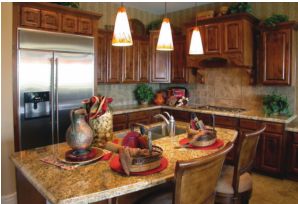
Even dream kitchens can’t have everything. You must set priorities for your project based on the size of your kitchen and the size of your budget. Decide what elements you absolutely need in your kitchen, which you would like to have, and which ones are, well, a daydream. In most cases, not everything you wish for will fit. For example, in a small kitchen it may be impossible to install an
island and maintain proper clearances. Should you expand the room in order to accommodate your dream? List your wishes, wants and needs, then prioritize each item. You may find that a bump out is necessary to meet your needs, or you may find that you can live without the island or second cooktop.
9. Know when to way ‘when’
It’s easy to blow your budget in the thick of remodeling. Decide what you can afford before you start designing. Always refer to the cold, hard numbers of your budget before making a product or design decision.
Remember, no matter what you decide to spend, you’ll be tempted by a higher-end, more costly option somewhere along the line. Beware the phrases, “While we’re at it, why don’t we…” or “A little more on this faucet won’t make any difference,” or, “It’s only $20 more.” Seek out designers, suppliers and contractors who are willing to work with your budget, not against it.
10. Don’t work against the clock
Remodeling contractors say the No. 1 question they’re asked is: “How long will it take?” Ask your contractor for a specific date for the start and substantial completion of the project, but don’t turn target dates into rigid deadlines. Remain flexible. Your renovation may be affected by changes, unexpected occurrences or material delays. Never launch a project before a major event in the home, such as a wedding or holiday gathering.
11. Beware of change
When you ask for something to be changed, there will be a delay and a cost. The same holds true for unexpected events, such as newly discovered termites. You should control the number of changes that you initiate during a project. If you want to make a change, ensure that the change is made in writing and that it is signed by both parties before work begins. Ask for a revised timetable and budget in the event of any changes or unexpected occurrences.
12. Take time to prepare
You need to prepare for two things during a kitchen remodeling: the construction phase and the inconvenience of being without a kitchen for a period of time. Pack your kitchen items in clearly labeled boxes that can be moved to another part of the home during the project. Set aside items you will need every day, such as your coffeemaker, filters and mugs. And don’t forget to remove fragile items from the walls in neighboring rooms.


