
Groups warn gambling expansion would increase costs to society
LEGISLATION | Holly Dillemuth
Jerry Prosapio watched Springfield this week as the General Assembly considered, but so far failed to pass, legislation to expand gaming. The proposal would have added slots to Chicago airports, a casino in Chicago for the first time in history as well as casinos in Park City, Rockford, suburban Cook County and Danville.
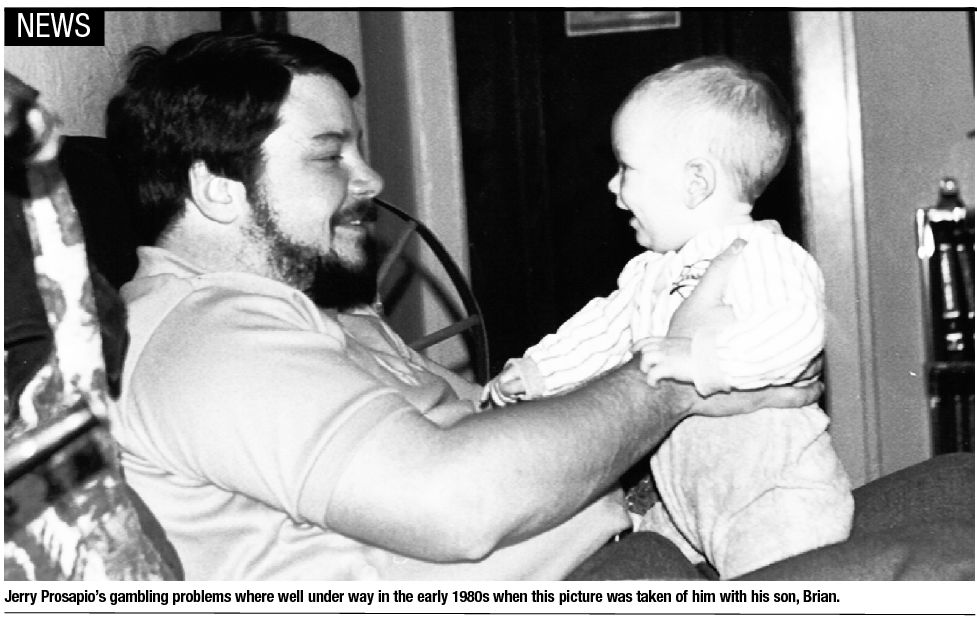
The native of Crestwood, a south suburb of Chicago, says he used to be “quite a compulsive gambler” nearly 28 years ago. The father of three is a self-employed printing distributor who now has a faith-based ministry called gamblingexposed.org.
As a teenager, Prosapio always played the older boys at poker because they betted more and he won more money. In his early 20s, Jerry relocated to south central California for a business venture, and recalls his first visit to a casino in Las Vegas at age 21. He said he lost everything before he even made it to his hotel room.
What he gained was a gambling addiction, one that gradually led to an addiction to table games like craps and roulette. That led him into betting the horse track and sports games.
When times got rough, he turned to the mob in order to feed his habit. With a wife and infant son, he took out loans from the mob to fuel his habit, but there were times when he couldn’t pay.
“This fella came to my house when I was at work,” he recalls.
The man showed up at the door and left a message with Jerry’s wife, Pat, after the man saw their infant son, Brian.
“Tell him you’re son has a beautifully shaped head,” Jerry recalled that the man told his wife.
A man who Jerry says was part of the mob, gave Jerry a loan now and then later suggested that Jerry call his parents, Al and Mary, in Chicago if he needed money. When the mob began identifying his family in Chicago, Jerry knew that he was more than knee-deep and needed to break free.
It got so bad that for a time, he couldn’t even be honest with his doctor, let alone his wife. When his physician asked if he was under any stress, Prosapio says he would lie because he was living such a secret life.
When his son was 5 months old, he stopped gambling. He says he was at the point where I was willing to do anything to get out of compulsive gambling.
“I went from having 15 to 20 people working for me to not being able to sign my own checks,” he said.
His wife signed the checks and would give him a daily allowance.
“Everything I wanted by gambling I ended up getting by not gambling,” he says.
Prosapio says he is “very troubled by the vote,” meaning a preliminary vote to allow gambling expansion, and said if the measure becomes law it would mean destruction for local communities.
“This would really blow the lid off,” he said. Prosapio was lucky to kick the habit before it broke his family apart. Some are not so lucky.
Certified gambling addiction counselor Michael Goldman, who lives in Chicago, sees families in situations much worse.
“I see a lot of people, married with kids, who’ve lost their families,” he said and adds that the saddest thing is “loss of family ties.” Goldman emphasized that gambling addiction can happen to anyone, especially businessmen like Prosapio, who have access to easy cash.
For 22 years Goldman has counseled families and individuals dealing with gambling addiction. He is a board member for the Illinois Council on Problem Gambling.
“I think that when you make gambling more accessible, the cost to society is going to skyrocket because you’re going to see an increase in the number of compulsive gamblers,” he said.
Rep. Lou Lang, a Democrat from Skokie, and the House sponsor of gambling expansion, doesn’t see it that way.
When asked what he thought about how gambling expansion might affect families, he said: “If I had been convinced through appropriate evidence, that adding more places to gamble in a state that already has a lot of gambling, would increase social costs significantly or create more addictive gamblers, then I would think twice about the bill…. But there isn’t any,” Lang said.
Contact Holly Dillemuth at [email protected].