
Benefits 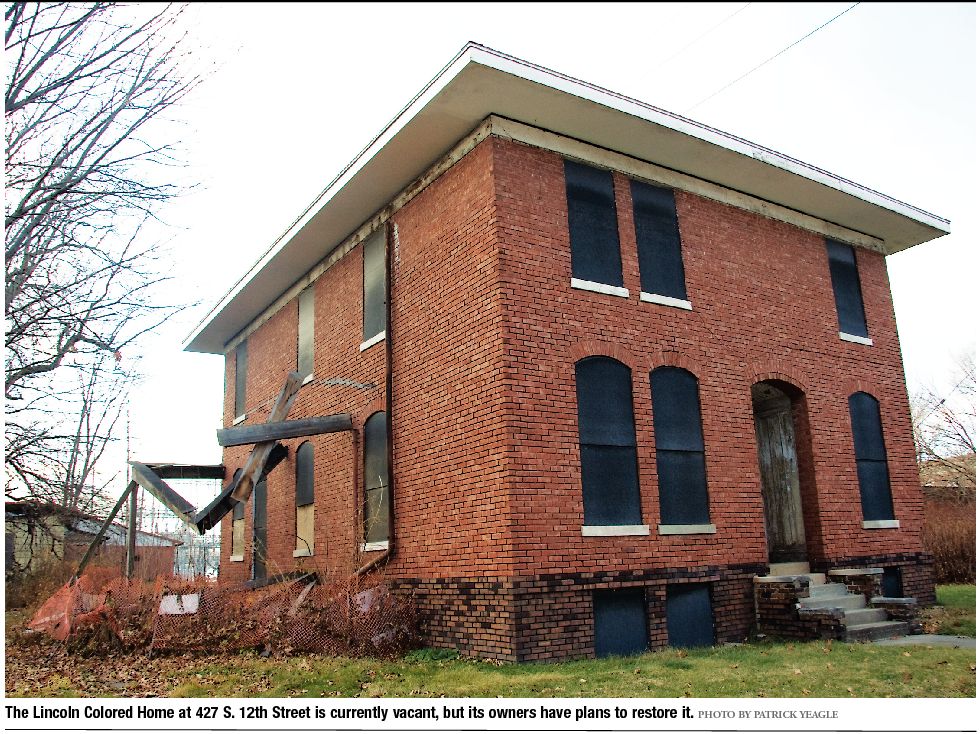
Full consolidation of Springfield’s railways onto one corridor offers several benefits for the city, according to an Illinois Times analysis of rail study data released in November.
Traffic delays due to trains, which the study group has identified as one of the most common complaints among Springfield residents, would be vastly reduced, the study predicts. Measured in vehicle-minutes – the total number of minutes all vehicles in Springfield are delayed collectively each day – traffic delays are projected to fall from the current level of 23,700 vehicle-minutes to 1,400 under Alternative 3A. By comparison, double-tracking the Third Street corridor and adding no new grade separations – the option with the least expensive initial cost – is projected to increase traffic delays to 36,000 vehicle-minutes.
The consolidation plans include reducing or eliminating train crossings, which would reduce the number of vehicle crashes involving trains. But double-tracking the Third Street corridor is expected to increase train-car crashes. Both full and partial consolidation would include quiet zones that would eliminate train horn blowing, another common complaint voiced to the study group.
Consolidation on 10th Street would also affect fewer historic structures than doubletracking Third Street. One historic structure, the Dana-Thomas House, sits just a few yards off the present Third Street tracks. At a recent press conference held by the Greater Springfield Chamber of Commerce to promote rail consolidation, Regina Albanese, executive director of the Dana-Thomas House Foundation, said the structure would be negatively impacted by the increase in vibration and noise if the Third Street tracks are expanded.