Sewer separation
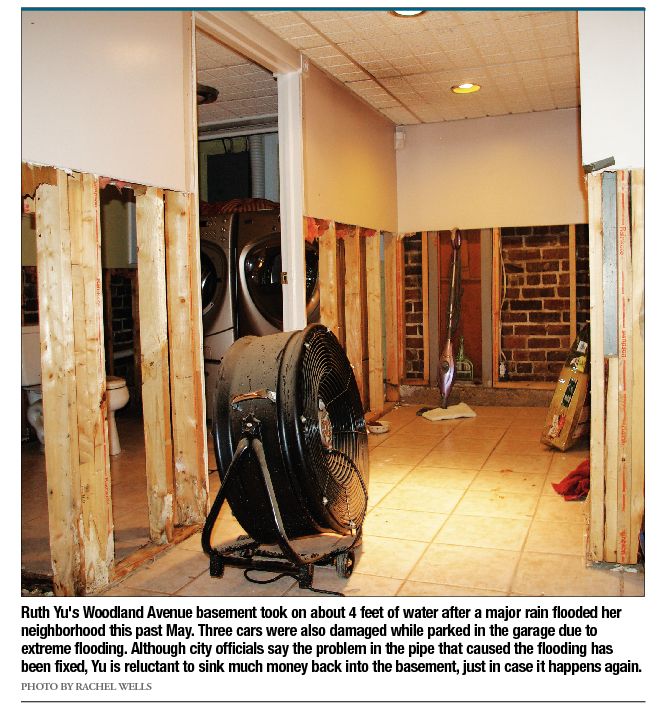
In large part, the city blames residents’ problems on the design of sewer pipes. Much of the city operates on a combined sewer system, in which the same pipes handle both sanitary and storm water. When those pipes become overloaded, the water can sometimes snake its way back up through basement toilets and drains, flooding homes and businesses.
“I don’t think the city is any different from any other municipality in the United States,” Norris says. More than 770 com munities across the country operate on a combined sewer system, according to the U.S. Environmental Protection Agency. In addition, some of those pipes are more than 100 years old, making them prone to cracks and collapses as well as mystery connections to unmapped pipes.
The alternative to combined sewers is a separated system, which anything built after about the 1960s typically runs on, including the more recently developed parts of Springfield. Because sanitary water flushed from homes travels down different pipes than the water collected during a rain, backups shouldn’t happen due to severe weather under a separated system. Anything headed down the newer storm drains is released directly into ditches and creeks, lessening the pressure on the Springfield Metro Sanitary District because it doesn’t have to treat the separated system’s storm water, which is free of fecal matter.
But to separate Springfield’s entire system would cost more money and take more time than the city can possibly afford, Norris says. “What it comes down to is the ability to do it, number one. The money involved is second.”
Regardless, some degree of separation might get pushed on the city, depending on the outcome of a study reviewing the volume and frequency of “combined sewer overflows.” These overflows are made up of any water that flows to larger pipes controlled by the Springfield Metro Sanitary District, but that is in excess of the SMSD’s treatment capacity. Because the overflows contain fecal matter from homes and oils from roadways, they can pollute
the waterways into which they flow. The SMSD’s seven overflow points
are on Spring Creek and Sugar Creek, which empty into the Sangamon
River. As of last week, the SMSD this year had issued 22 warnings that
combined sewer overflows had taken place at one or more overflow points.


