Can’t Flush This campaign to keep sewers running
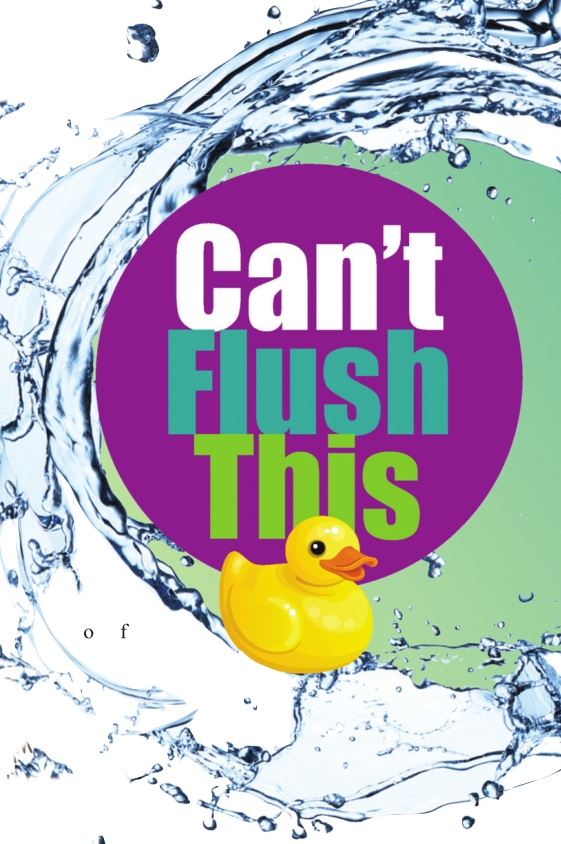
The City of Shreveport has created an awareness campaign urging citizens to think before they flush, aptly named “Can’t Flush This.”
Can’t Flush This is an effort to keep city pipes from being damaged and needing expensive repairs. Helping the city helps you. Everyone can do their part to help, simply by thinking about what is being flushed down the toilet and only flushing things that are meant to be flushed.
What shouldn’t be flushed? Items such as paper towels, baby wipes and flushable wipes, plastic items, candy and food wrappers, cotton balls and cotton swabs, diapers, feminine hygiene products, aquarium gravel and kitty litter, syringes and pharmaceuticals should not be flushed. These are things that could cause serious blockage in sewer lines, which causes sewage to back up. This isn’t good for anyone, the city or the citizen.
City of Shreveport industrial pretreatment supervisor Chris Warren said the city’s sewer infrastructure has reached a critical point.
“While the age of the system is a factor in a lot of the issues we face, many of our problems are simply associated with the types of materials that are being put into the system,” Warren said. “We really need to reach out and bring awareness to the public about what should not be flushed or go down the drains and why.”
Warren said the most important thing for people to know is that only toilet paper should be flushed.
“Just because something can be flushed does not mean that it should be,” he said. “Items we refer to as ‘nondispersables’ such as wipes, roll towels, feminine products, rags and dental floss do not break down in the sewer. And, with regard to the now-popular cleaning, baby and body wipes – even if the package is labeled ‘flushable’ – they do not degrade to a level safe for the sewer system. We can devise a long list of what should not be flushed, but the simple answer is to flush only toilet paper.”
When non-dispersable items are flushed, they tend to collect in the sewer system, which will result in clogged sewer lines and/or lift station failures, Warren said.
“The sewer will then back up in the lines, forcing its way out o f manholes into the streets or back into homes and businesses,” he said. “Sewer back-ups can present real environmental issues for the city’s waterways.”
Warren said each flush counts.
“It may be easy for you to think you are the only one flushing something you shouldn’t and no harm will result, but with the city’s approximately 75,000 sewer connections, a small amount of these items from each user will collectively cause major problems.”
People should have real concern as to whether they are part of the problem or part of the solution, Warren said.
“When sewer blockages or lift station failures occur due to these ‘Can’t Flush’ items, there’s significant cost to the city to repair or alleviate the problems,” Warren said. “Of course, these costs to the city are paid by all residents. Avoiding a direct bill from your plumber to clean out your line or reducing cost passed on by the city should be a factor in helping us think before we flush.”
Everyone can do their part by not flushing anything but toilet paper, but you can also help by spreading the word.
Warren said the City of Shreveport started with the “Make Peace With Your Pipes” campaign to bring awareness to the problems associated with putting fats, oils and grease down drains. The “Can’t Flush This” campaign expands to bring awareness to the problems associated with flushing anything other than toilet paper.
“These are not campaigns that have an end, but with the help of our residents spreading the word, we hope the message will continue and provide a win-win for Shreveport.”
If you have further questions regarding the campaign, contact Chris Warren at the Pretreatment Office at 673-6581.
And remember … Stop. Think Every Time. Can’t Flush This.
– April S. Kelley


