
Learn to think of others
FAMILY LOVE
We hear this all the time: “This generation has become the ‘Me’ generation, always thinking of self and no one else.” But if everyone has “Me” mentality all the time, our society will become a not so nice place to live in. You probably encounter a taste of that mindset off and on in your daily life, whether it is at home or out and about in the community.
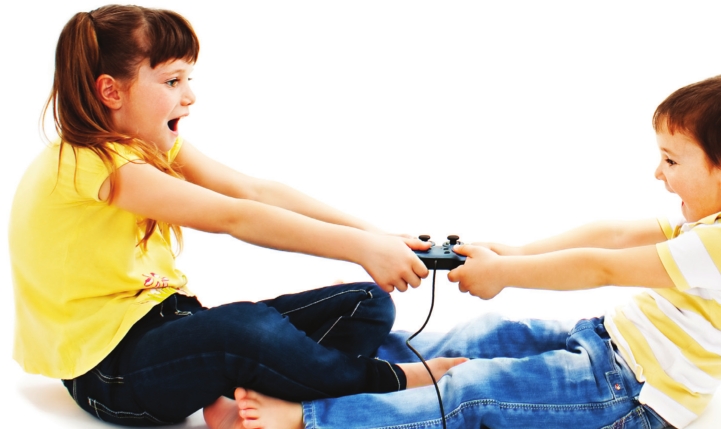
Selfishness comes naturally and will cause problems throughout life if not checked in childhood. When a child is a preschooler, he or she automatically wants what he wants when he wants it. We, as parents, can be glad our child feels good enough about himself to go for what he wants, but we must temper that self-absorbed preschool mindset. If a child is not encouraged to go beyond self as they leave their “baby” ways, they will eventually turn a family’s life into a not so fun place to be and for others outside the family, as well.
In the early years, we need to begin to tell our children that we take turns with our toys; we are kind to our friends, and we should gently remind them that they do not always go first. An only child may need a parent who takes turns going first to help their child learn they are not the only one in the universe. When young children are playing with baby dolls, a parent can talk about how we love the baby doll and care for the doll. Although it is a pretend situation, it still teaches.
As our children continue to grow and learn, we, as parents, should remind our children to allow others to go first some of the time, when we see that they are not doing so.
Of course, ideally, we would like for them to be kind and thoughtful of others all the time, but reality says it usually will happen fewer times than it really occurs.
As children get older, they may turn their selfishness into anger. They may get easily aggravated when they don’t get their way. These angry children turn into teenagers that get angrier, and the family may live in upheaval most of the time. To find that your child has become a selfcentered, angry, uncaring person is heart-breaking for any parent. These children may lose any feelings for others and develop a somewhat narcisstic mentality.
Be aware and look to see if any of these signs are occurring in your school-age children or teenagers. Determine to intervene if you see your child turning into a selfish, self-centered type person. To help you decide if they may be on the road to thinking that they and they alone should always get their way and be first and everyone else should take a second to them, check out the following statements:
Your child has no sense of gratitude for what you or others do for them or provide for them.
Your child does not show respect for you as their parents.
Your child manipulates others. Your child does not think they should have to do chores around the house.
Your child uses others to get what they want.
Your child does not show any signs of trying to be kind and do good toward others.
Your child obsesses about being on Facebook/social media constantly.
Your child chooses selfish friends. What steps can a parent take to help curb the developing selfish personality?
Correct your child when they are being selfish and offer alternatives to their actions. Don’t allow it to slip by.
When your child’s friends are over, correct their friends when they show selfish behavior.
Demonstrate loving care for others in front of your child and get them involved with you.
Don’t let them get away with not doing household chores.
Find a time for your whole family to do something for others less fortunate; visit a shut-in elderly person; have each family member draw a family member’s name and think of something as a surprise for that person.
At meal time, when saying the blessing, ask God to help all family members to be kind and caring toward each other, as well as others outside the family.
Teach your children to forgive others when they are rude or uncaring to them, then turn around and do something nice for that person.
It is never too late to help curb the urge your child may have to be self-absorbed and non-caring toward others. The best teacher is your example. Model the behavior you want your child to internalize and your child just might let your actions rub off on them. Let the month of February begin a new “kind of me” in each of us and in our kids.
Dianne Glasgow is a family and child specialist at the LSU AgCenter in Caddo Parish.
She can be reached at [email protected], 226-6805 or 464-2552.