Pros and cons of weight loss types
DIET & NUTRITION
The most common question I hear as a dietitian is, “What do you think about (insert popular diet here)?” Diets will come and go; some will stay around for years while others dissolve as quickly as they appeared. Below you will find three popular diets of 2016.
High-Protein/Low-Carbohydrate Diets. These diets have been around for years fluctuating in popularity. High-protein diets tend to vary in restrictiveness and time frames, but what most have in common is lack of carbohydrates.
Why they work: Protein has a greater satiety than both carbohydrates and fat. Choosing lean protein will help to keep you full longer while consuming fewer calories. Another reason for its success is due to thermogenesis. It takes more calories to digest, absorb and metabolize protein than it does carbohydrates and fat.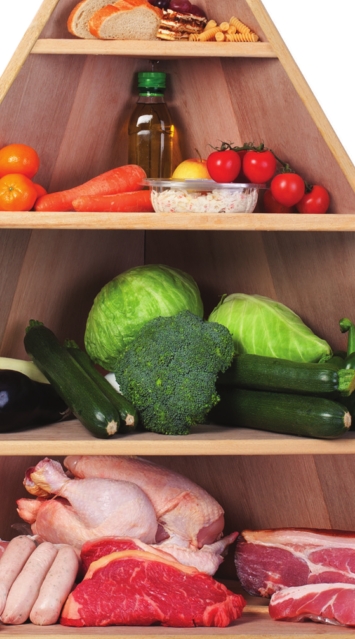
Why they don’t work:
Restricting any major nutrient can cause a lack in needed vitamins and minerals. Since carbohydrates are a major source of energy, restricting carbohydrates can lead to fatigue. Lastly, and most commonly, restricting carbohydrates is not feasible for everyone. Eliminating a commonly consumed nutrient can lead to cravings and ul timately
cause the diet to fail.
High-protein diets have been shown effective to jump-start weight loss. For some, a longterm modified high-protein/ low-carbohydrate diet is feasible. If you have kidney disease, you should avoid high-protein diets without your doctor’s consent.
Detox/Cleanse. The premise behind these diets is to remove toxins from the body to help promote weight loss. Many of these diets are limited to liquids for anywhere from seven to 28 days. The amount of food allowed, if any, during this time is limited.
Why they work: With the restricted amount of calories consumed, weight loss is typical with these diets. More people are likely to stick with it, because of the limited time spent detoxing.
Also, these diets are easy to follow because they typically have strict guidelines.
Why they don’t work: Due to the restricted amount of calories, some people can have a hard time sticking to these diets. Also, once the detox ends, it is difficult to keep from re-gaining the weight lost.
There is little evidence to show the benefits or need for detox diets.
Since these diets are very restrictive and short-lived, any weight loss seen will more than likely be shortlived, too.
Diet programs. Diet programs vary based on the specific program and goals, but most include prepared meals, bars and shakes. Calories are controlled by limiting any outside foods. Most come with meal plans and guidelines to follow.
Why they work: Diet programs can work for some people because it takes very little planning. Plans can provide some variety as well.
Why they don’t work: Taste.
One of the biggest complaints I hear regarding diet programs is the taste of the products. Another reason why these programs fail is because they don’t teach you how to prepare the balanced, lowcalorie meals provided.
Diet programs can work for some people. They can be very effective since they provide structure and discipline. If you are looking for variety, this might not be the choice for you.
Diets can help to provide structure when losing weight, but if you do not learn how to change habits, keeping the weight off can be difficult. I advise my patients that the key to weight loss and maintenance is healthy habits, not quick fixes. While I am not opposed to dieting to jumpstart weight loss, structured meal planning and education is key to weight maintenance.
Alicia Smith, RD, CDE, is affiliated with Willis-Knighton Health System.
She may be reached at [email protected].


