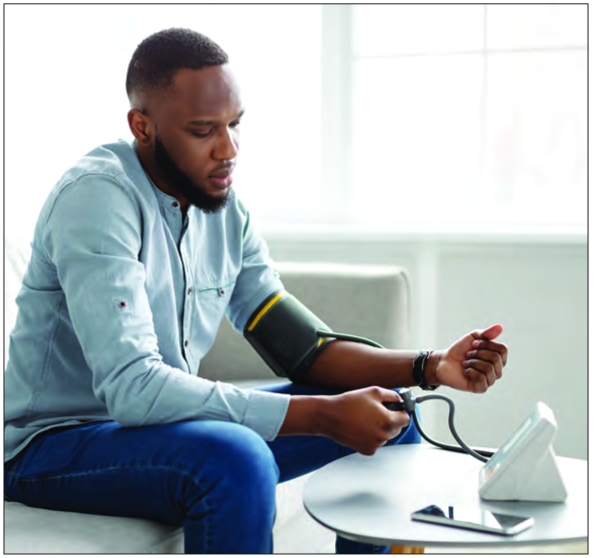
The American Heart Association recommends an automatic, upper arm blood pressure monitor for checking blood pressure at home, one of several metrics that physicians recommend monitoring to ward off chronic illnesses.

Essential health numbers, from blood pressure to sleep, and how to check yours
Nearly half of U.S. adults have high blood pressure, according to the Centers for Disease Control and Prevention, and about 1 in 6 does not know it. Diabetes and high cholesterol can also go unnoticed for years, impacting longterm health.
A few simple numbers can help catch all three early.
Blood pressure
At or below 120/80 is considered within normal range, according to the American Heart Association. Readings of 120 to 129 over less than 80 are elevated. Stage 1 high blood pressure is 130 to 139 or 80 to 89; stage 2 is 140/90 or higher. If yours reads above 180/120 and is paired with chest pain, shortness of breath, numbness or trouble speaking, call 911 immediately.
To monitor blood pressure at home, the American Heart Association recommends an automatic, cuff-style, upper arm (biceps) monitor. Avoid caffeine, smoking and exercise for 30 minutes before your test, then sit quietly for at least five minutes with your arm resting at heart level. Ensure no clothing covers that portion of your arm. Take two readings, one minute apart, and write both down. You can use a printable sheet that shows you to measure your pressure properly.
Resting heart rate
For most adults, 60 to 100 beats per minute while calm is normal, the association says. A rate outside that range isn’t always a problem but tell your doctor if yours is consistently higher or lower than usual, especially with dizziness or weakness.
A1C
This blood test reflects average blood sugar over about three months, as opposed to a quick glucose reading that fluctuates hour to hour. Below 5.7% is normal, while 5.7% to 6.4% signals prediabetes and 6.5% or higher signals diabetes, according to the CDC. Adults older than 45 should be tested, as should younger adults who have excess weight or other risk factors.
Cholesterol
Produced by your liver and the result of ingesting animal products, cholesterol helps the body make bile, hormones, vitamin D and cell membranes. However, an excess of the wrong type of cholesterol in the blood can lead to fatty buildups or plaques in arteries, increasing the chance of heart attack or stroke. A lipid panel is the blood test that measures LDL, or “bad” cholesterol, and triglycerides.
The American Heart Association says triglycerides below 150 mg per deciliter are usually considered normal. Your ideal LDL depends on your risk. Under the 2026 guideline from the Journal of the American College of Cardiology and the heart association, the target is below 100 for people without risk factors; below 70 for those with diabetes or elevated risk; and below 55 for people who have had a heart attack or stroke. Most adults should be tested every five years starting at age 19.
Body mass index
Online calculators or your primary care physician can help provide this number, which is a screening measure for obesity. To calculate it by hand, multiply your weight in pounds by 703, then divide by your height in inches squared. A 160-pound person who is 5 feet 6 inches tall (66 inches) would multiply 160 by 703 to get 112,480, then divide by 4,356 for a BMI of about 25.8.
The Centers for Disease Control and Prevention says 18.5 to 24.9 is a healthy range, 25 to 29.9 is overweight and 30 or higher is obesity. However, the CDC specifies BMI does not distinguish fat from muscle, so it should be considered alongside other factors, such as blood pressure and cholesterol. A person with a lot of muscle can have a high BMI without excess body fat, the agency says.
Sodium
Federal dietary guidelines say people 14 and older should consume less than 2,300 milligrams a day. The American Heart Association calls that the maximum and sets an ideal limit of 1,500 milligrams for most adults. In excess, sodium can strain critical organs like the kidneys and lead to chronic high blood pressure, increasing risk of cardiac events.
Protein
Protein is a nutrient found in food that helps support healthy metabolism and muscle needs. It also helps promote fullness after eating. The American Heart Association recommends plant-based proteins like beans or legumes, fish and seafood, as well as lean meats like poultry, sirloin and eggs.
The newest federal dietary guidelines set a goal of 1.2 to 1.6 grams per kilogram of body weight daily. To find your weight in kilograms, divide your pounds by 2.2. For a 180-pound person, that is about 83 kilograms, with a goal of roughly 98 to 131 grams of protein a day.
Fiber
Dietary fiber, found mainly in vegetables, fruits, legumes and whole grains, helps promote healthy digestion. Fiber also supports healthy cholesterol and blood sugar levels, especially for people with diabetes, as it slows the rate at which the body processes sugar. Foods high in fiber tend to be more filling with fewer calories as well. The U.S. Department of Agriculture and U.S. Department of Health and Human Services Dietary Guidelines for Americans suggest 22 to 34 grams a day, depending on age and sex.
Sleep
Adults ages 18 to 60 need seven or more hours a night, according to the CDC. Those 61 to 64 need seven to nine hours, and people 65 and older need seven to eight. Getting enough may lower the risk of type 2 diabetes, heart disease, high blood pressure and stroke. It may also help you maintain a healthy weight. The CDC also suggests keeping a consistent bedtime every night and turning off electronic devices at least 30 minutes before bed.
Write your numbers down, bring them up at your next checkup and ask what they mean for you.