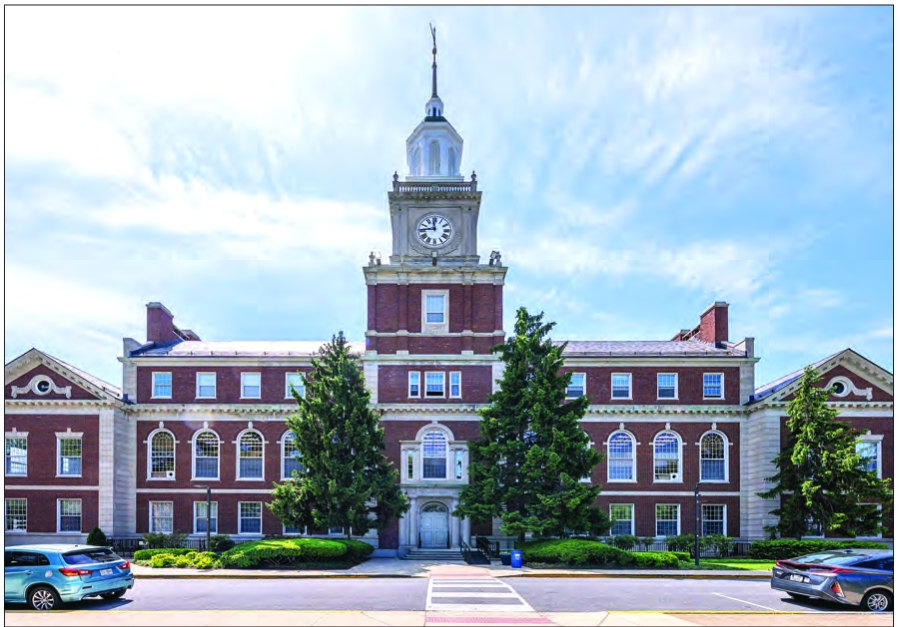
With
an enrollment of approximately 15,000 graduate and undergraduate
students, Howard University is one of the largest Historically Black
College and Universities in the US. Isabella Williams has always dreamed of attending Howard University.
In 1984, her mother enrolled at the historically Black college in Washington but quickly had to drop out due to financial issues. Fast forward 42 years, and now she’s in a similar predicament.
Williams was just four days away from setting out to college from her hometown in Fort Mitchell, Alabama — a nearly 14-hour drive — when she learned she had been dropped from fall semester courses due to an outstanding tuition balance and unenrolled from the university. She told Capital B that she got an email from the university saying she would be refunded for the payments she’d made and that she’d be able to apply as a transfer student next semester. “Never in my life have I been so disappointed,” she said in a video on Instagram, eyes filled with tears. “Never in my life have I worked so hard for it to be stripped from me.”
Other incoming freshmen flooded social media with the same story: the same email, the same sudden unenrollment. The panic ripped through one of Howard’s largest incoming classes in years. Williams was one of 500 students in the Class of 2030 unenrolled from their courses — just days before some move in on July 25.
Williams said she previously spoke to the financial aid office at the university, which said she should be in good standing, even though scholarships and grants she applied for were going to be applied later in the summer.
Within 48 hours she was reenrolled after speaking with the financial office again and the growing backlash. Still, other students had not been reenrolled.
Incoming
freshmen expressed frustration and disappointment with the university
for being unenrolled because of outstanding tuition balances for the
upcoming semester. Several students have said they were reassured
through financial aid that delayed scholarships and grants would still
leave them in good standing. However, the university doubled down on
unenrolling some students.
For
years, the cost of attending historically Black colleges and
universities have crippled students, especially around the start of
academic semesters. Just a few months ago, several HBCU students took to
social media sharing GoFundMe and crowd-sourcing fundraisers to stay
enrolled in their respective colleges.
Howard
University did not respond to Capital B’s request for comment about how
many students were impacted and policies around unpaid balances. But in
a statement Thursday, the university said that it “is reviewing
information related to anticipated scholarship funding and other
financial aid, where appropriate, and will consider relevant
circumstances presented regarding pending scholarship awards and
financial aid resources.”
Williams
and other students are being reenrolled in fall courses but the abrupt
drops have sparked calls for accountability from Howard and its
financial aid offices.
Surprise student balances aren’t a new thing within the Bison community.
“We
know that there can be issues with financial aid, but they have never
done this two weeks before school started and dropped hundreds of people
out of nowhere,” Williams told Capital B.
“The
way that Howard University has handled this was extremely
disrespectful. We’re supposed to be in truth and in service, and I don’t
think that this aligns with either of them.”
Struggling with tuition isn’t unique to Howard.
Several
philanthropists and nonprofit organizations have donated to HBCUs,
specifically to relieve expenses of attending Black colleges to keep
students on track to graduate. In 2016,
AT&T donated $26,000 to support Winston-Salem State University in
North Carolina through its Gap Assistance Scholarship Program.
At
Howard, community members and alumni organizations often “adopt”
students experiencing financial hardships by donating and fundraising on
their behalf. Last Bison Standing, a nonprofit organization started by
Howard alumni, often provides emergency assistance to students who are
in good academic standing and show a strong need for assistance.
At
UNCF, students can apply for the UNCF Campaign Emergency Student Aid
(CESA, now called UNCF Emergency Student Aid), which was founded in
2009. Since then, the nonprofit has awarded more than $30 million to
keep students enrolled, according to the nonprofit.
In the meantime, Williams said she hopes to gather students in person to relax after a tense start to the semester.
“I
worked really hard because I know that Howard is a prestigious school,”
Williams said. “I never did it out of fear. I don’t do anything out of
fear.”
This story first appeared on Capital B.