In today’s environment, it is deeply concerning to witness the erosion of women’s freedom and opportunity. We find ourselves at a pivotal inflection point where women’s rights and autonomy are facing renewed and unprecedented challenges. From restrictions on reproductive rights to barriers in accessing healthcare, education, and equal economic opportunity, women are increasingly being denied the fundamental right to make decisions about their own bodies, careers, and futures.
The assault on diversity, equity, and inclusion (DEI) initiatives has only intensified these challenges. In the past year alone, more than 300,000 Black women have lost their jobs as companies scale back or eliminate diversity-focused programs and roles. These setbacks come at a time when progress toward workplace equity was already fragile. Women overall still earn roughly 77 cents for every dollar earned by men, and the gap is even wider for Black and Latina women.
As we commemorate Women’s History Month, it is important to recognize that the political and corporate backlash against DEI programs over the past 18 months has had measurable consequences. Leadership pipelines for women are shrinking as mentorship programs, leadership development initiatives, and promotional pathways for women and people of color are defunded or dismantled. When these programs disappear, fewer women are positioned to move into senior leadership roles. At the same time, we are seeing some organizations quietly revert to male-dominated leadership cultures, particularly in industries such as technology and finance. Women continue to be steered disproportionately into roles in human resources, communications, or administrative support rather than into operational and strategic positions that typically lead to CEO and senior C-suite leadership.
Even when women do break through, they often face what researchers call the “glass cliff.” Women are frequently elevated into leadership roles during moments of crisis, when organizations are already struggling, situations that increase the likelihood of failure and reinforce outdated stereotypes about women’s leadership capabilities. Structural barriers continue to compound these inequities. Lack of affordable childcare and elder care, insufficient paid family leave, and the persistent expectation that women shoulder the majority of caregiving responsibilities all limit women’s advancement in the workforce.
Women’s History Month should be more than a celebration of past achievements. It must serve as a call to action. Protecting women’s rights, strengthening leadership pipelines, and investing in policies that support economic mobility are not simply matters of fairness, they are essential to building a stronger, more equitable society for everyone.
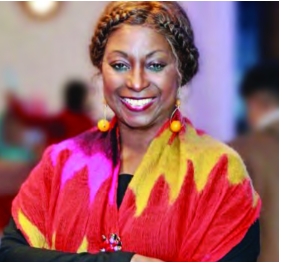
Colette A.M. Phillips is president and CEO of Colette Phillips Communications, Inc., a communications and inclusion-focused consulting firm, the founder of Get Konnected! and the author of “The Includers: The 7 Traits of Culturally Savvy Anti-Racist Leaders.”