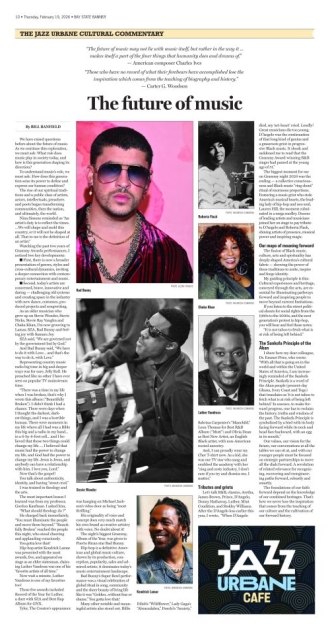
Bad Bunny 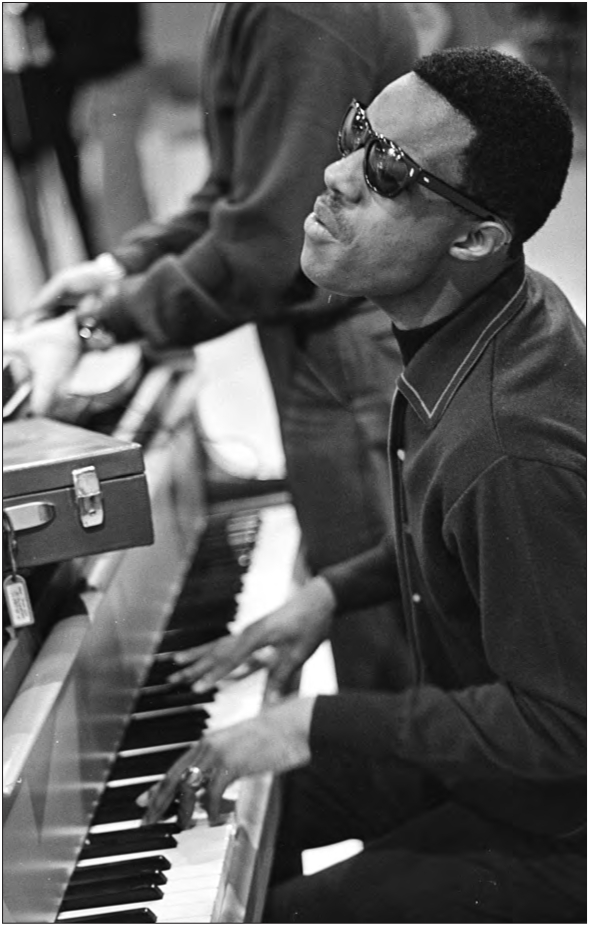
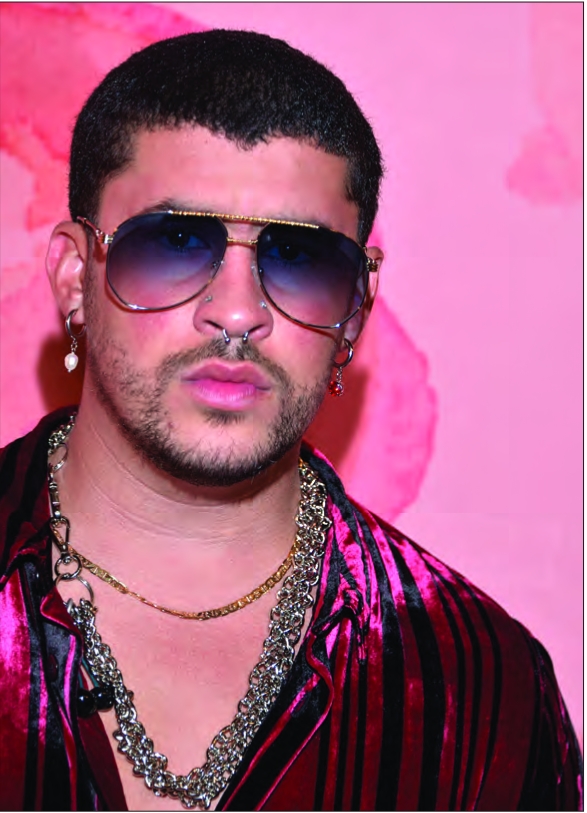
Stevie Wonder
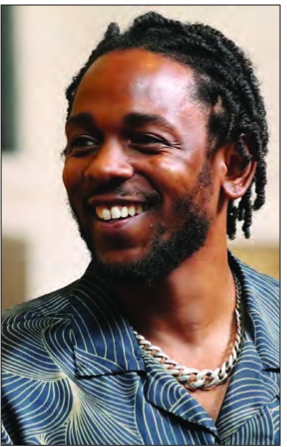
Kendrick Lamar
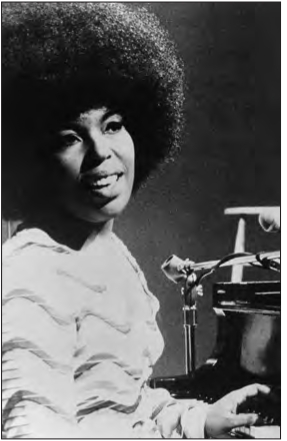
Roberta Flack
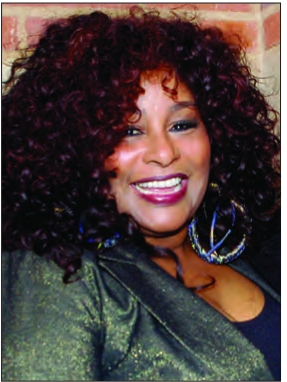
Chaka Khan
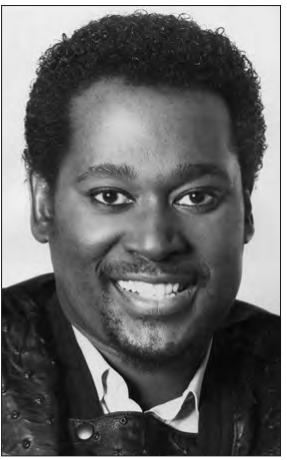
Luther Vandross

“The future of music may
not lie with music itself, but rather in the way it ... makes itself a
part of the finer things that humanity does and dreams of.”
— American composer Charles Ives
“Those
who have no record of what their forebears have accomplished lose the
inspiration which comes from the teaching of biography and history.”
— Carter G. Woodson
We have raised questions before about the future of music. As we continue this exploration, we must ask: What role does music play in society today, and how is this generation shaping its direction?
To understand music’s role, we must ask: How does this generation seize its power to define and express our human condition?
The rise of our spiritual traditions and a public class of artists, actors, intellectuals, preachers and poets began transforming communities, then the nation, and ultimately, the world.
Nina Simone reminded us “An artist’s duty is to reflect the times. …We will shape and mold this country, or it will not be shaped at all. That to me is the definition of an artist.”
Watching the past two years of Grammy Awards performances, I noticed two key developments:
n First, there is now a broader presentation of genres, styles and cross-cultural dynamics, inviting a deeper connection with contemporary entertainment and music.
n Second, today’s artists are concerned, brave, innovative and daring — challenging old systems and creating space in the industry with new dance, costumes, produced projects and songwriting.
As an older musician who grew up on Stevie Wonder, Stevie Nicks, Stevie Ray Vaughn and Chaka Khan, I’m now grooving to Lamar, SZA, Bad Bunny and feeling joy with Samara Joy.
SZA said, “We are governed not by the government but by God.”
And Bad Bunny said, “We have to do it with Love… and that’s the way to do it, with Love.”
Representing country music radio big time in big and deeper ways was for sure, Jelly Roll. He preached like no other I have ever seen on popular TV mainstream time.
“There was a time in my life when I was broken, that’s why I wrote this album (“Beautifully Broken”). I didn’t think I had a chance. There were days when I thought the darkest, darkest things, and I was a horrible human. There were moments in my life where all I had was a Bible this big and a radio in my hand... in a 6-by-8-foot cell... and I believed that those two things could change my life. ... I believed that music had the power to change my life, and God had the power to change my life. Jesus is Jesus, and anybody can have a relationship with him. I love you, Lord.”
Now that’s the gospel! You talk about authenticity, identity, and having “street cred.”
I was trained in theology and the arts.
The most important lesson I learned was from my professor, Gordon Kaufman. I asked him, “What should theology do ?” He charged back immediately, “You must illuminate the people and move them beyond.” “Beautifully Broken” reached the people this night, who stood cheering and applauding voraciously.
You gotta love that! Hip-hop artist Kendrick Lamar was presented with the most awards, five, and appeared on stage as an elder statesman, claiming Luther Vandross was one of his “favorite artists of all time.”
Now wait a minute, Luther Vandross is one of my favorites too!
Those five awards included Record of the Year for Luther, a duet with SZA and Best Rap Album for GNX.
Tyler, The Creator’s appearance was banging on Michael Jackson’s video door as being “most thrilling.”
His originality of voice and concept does very much match his own brand as creative artistry with voice. No doubt about it!
The night’s biggest Grammy, Album of the Year, was given to Puerto Rican star Bad Bunny.
Hip-hop
is a definitive American and global music culture, shown by its
production, conception, popularity, sales and admired artists; it
dominates today’s music entertainment landscape.
Bad
Bunny’s Super Bowl performance was a visual celebration of global
ritual in song, community and the sheer beauty of living life like it
was “Golden...without fear or shame.” You gotta love that!
Many
other notable and meaningful artists also stood out. Billie Eilish’s
“Wildflower,” Lady Gaga’s “Abracadabra,” Doechi’s “Anxiety,” Sabrina
Carpenter’s
“Manchild,” Leon Thomas for Best R&B Album (“Mutt”) and Olivia Dean
as Best New Artist, an English Black artist, with non-American rooted
ancestry.
And, I can
proudly wear my Cher T-shirt now. As a kid, she was our TV star who sang
and snubbed the academy with her “zing and zesty industry, I don’t care
if you try and dismiss me, I matter.”
Tributes and griots
Let’s
talk R&B, classics, Aretha, James Brown, Prince, D’Angelo, Donny
Hathaway, Luther, Mint Condition, and Stokley Williams. After the
D’Angelo loss earlier this year, I wrote, “When D’Angelo died, my
‘art-heart’ cried.
Loudly! Great musicians die too young. D’Angelo was the continuation of
that long kind of genius and a grassroots griot in progressive Black
music. It shook and saddened me to read that the Grammy Award-winning
R&B singer had passed at the young age of 51.”
The
biggest moment for me on Grammy night 2026 was the ending — a
collective consciousness and Black music “ring shout” ritual of enormous
proportions. Featuring a music griot who stole America’s musical
hearts, the leading lady of hip-hop and neo soul, Lauren Hill, the
moment culminated in a mega medley. Dozens of leading artists and
musicians joined her on stage to pay tribute to D’Angelo and Roberta
Flack, shining artists of presence, musical power and inspiring magic.
Our maps of meaning forward
The
fusion of Black music, culture, arts and spirituality has deeply shaped
America’s cultural fabric — showing the power of these traditions to
unite, inspire and forge identity.
My guiding principle is this:
Cultural
experiences and heritage, conveyed through the arts, are essential for
illuminating pathways forward and inspiring people to move beyond
current limitations.
If
you listen to the street political shouts for social rights from the
1980s to the 2000s, and the next generation’s protest in hip-hop, you
will hear and feel those notes.
“It is not taboo to fetch what is at risk of being left behind.”
The Sankofa Principle of the Akan
I
share here my dear colleague, Dr. Emmet Price, who wrote: “With all
that is going on in the world and within the United States of America, I
am increasingly reminded of the Sankofa Principle. Sankofa is a word of
the Akan people (present-day Ghana, Ivory Coast and Togo) that
translates as ‘it is not taboo to fetch what is at risk of being left
behind.’ In essence, to make forward progress, one has to reclaim the
history, truths and wisdom of the past. The Sankofa Principle is
symbolized by a bird with its body facing forward while its neck and
head face backward, with an egg in its mouth.”
Our
values, our vision for the future, our conversations at all the tables
we can sit at, and with our younger people must be focused on strategic
partnerships to move all the dials forward. A revolution of related
relevance for recognizing, recovering and reengineering paths forward,
robustly and smartly.
The
foundations of our faith forward depend on the knowledge of our
combined heritages. That’s how we never lose the inspiration that comes
from the teaching of our culture and the cultivation of our forward
history.