Many
Medicaid enrollees rely on their insurance to greatly reduce
out-of-pocket costs for prescription medications. Affording medications
can be the most urgent need for people who lose Medicaid. Medicaid provides comprehensive, low-cost health insurance to about 72 million people in the United States, according to recent data. It’s also the nation’s largest public health insurance program, providing coverage to more people than Medicare.
Another aspect of Medicaid is the Children’s Health Insurance Program (CHIP), which provides coverage to an estimated 7 million people enrolled in the nation. Also administered by states and territories, CHIP covers youngsters from low-income families that earn too much to qualify for children’s Medicaid but can’t afford private insurance.
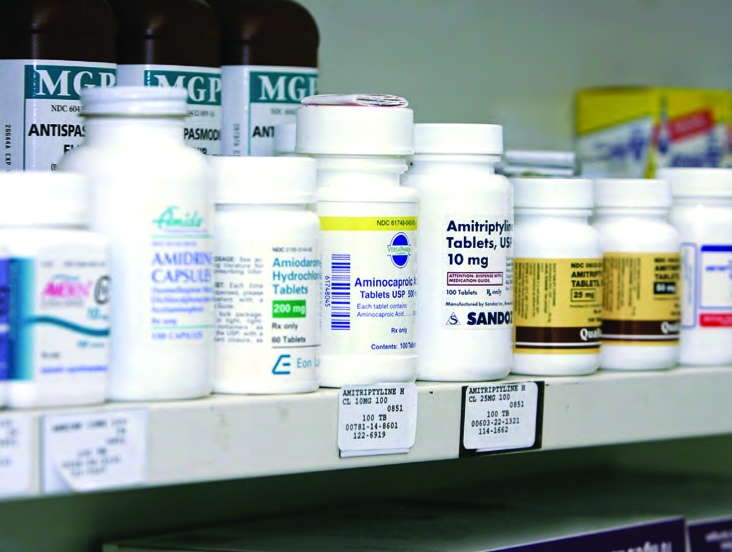
In addition to providing access to care and services, many Medicaid enrollees rely on their insurance to greatly reduce out-of-pocket costs for prescription medications. Affording medications can be the most urgent need for people who lose Medicaid, GoodRx notes.
Here’s what you need to know about accessing the prescription medications you need if you no longer have Medicaid coverage.
Key takeaways:
- Using coupons can help you save money on prescription medications if you no longer have Medicaid and must pay out of pocket for medications at the pharmacy.
- Your prescriber may be willing to give you more prescription refills so you can stock up on your medications before you lose coverage. Extending your prescriptions can also help you get your medications without the cost of a visit with a healthcare professional.
- Switching from brandname to generic medications or finding lower-cost alternatives can help make your prescriptions more affordable while you navigate losing Medicaid coverage.
What should you do about your prescriptions if you’ve lost Medicaid coverage? For many people who lose Medicaid, the most immediate need is filling prescriptions. Even if you no longer have prescription medication coverage and are unsure of when you will, you can ask your prescriber(s) to add a 90-day fill or several refills for your medications.
Here are some other tips for accessing and affording your medications:
Ask your pharmacist about switching to generic options. If you’ve been prescribed brand-name medications, ask about switching to lower-cost generic medications now that you’re paying out of pocket.
Apply for patient assistance programs. Patient assistance programs through nonprofits and pharmaceutical manufacturers help people save on specific medications. These programs can reduce outof-pocket costs to $0 per month for people who don’t have insurance. You can typically find these programs on manufacturers’ websites. Manufacturers
often have partnerships with related company foundations or other
nonprofit organizations that connect people with deeply discounted or
free medication.
Apply
for insurance through an Affordable Care Act (ACA) marketplace. The
ACA, also known as Obamacare, makes affordable health insurance
available to people through federal and state marketplaces and premium
tax credits, also known as premium subsidies. What you can potentially
save with premium subsidies depends on your income and household size.
An estimated 4 out of 5 consumers qualify for plans costing as low as
$10 or less a month in 2025. In many instances, the
Medicaid-to-marketplace transition happens automatically, so you may be
contacted by mail about your ACA options. But you don’t need to wait to
be notified to apply.
Consider
other insurance alternatives. Once you lose Medicaid, you may be
eligible to join Medicare, the health plan of a spouse or partner, a
parent’s plan if you’re the right age, or a high-deductible health plan.
There
may be organizations in your area that offer low-cost and free
healthcare—including prescription medications. Look into federally
qualified health centers, safety-net hospitals and clinics, free and
charitable clinics, rural health clinics, hospitals with financial
assistance programs and uninsured patient discounts, and nonprofits that
help people with medical bills.
It’s
important to note that dually eligible individuals typically don’t lose
prescription medication coverage if their Medicaid is cut. If you have
Medicare and Medicaid — which is known as being dually eligible — your
prescriptions are usually covered by Medicare. So, your medications will
probably still be covered if you lose Medicaid.
What can you do to restore your Medicaid coverage?
You lost Medicaid coverage, so now what? It’s time to determine whether you:
- Are still eligible and lost coverage because of a processing mistake or
other error during the application or renewal process—and need to
reapply.
- No longer qualify for Medicaid and need to look for another health plan.
In
some cases, Medicaid coverage ends abruptly or people are not
immediately aware they’ve lost coverage. But you may have a coverage end
date, likely at the end of an upcoming month. This can give you time to
prepare for your insurance to expire.
Whether
you have a coverage end date, you can appeal a Medicaid coverage
denial. The process for an appeal is specific to the state or territory
where you live.
What are the most common reasons for a loss of Medicaid?
Typically,
people lose Medicaid coverage because they’re no longer eligible based
on income or not having a qualifying condition, such as being pregnant
or having a specific disability. In 2025, however, there could be less
funding for individuals and programs in the following categories, which
could reduce the number of people eligible for Medicaid:
- Adults in the expansion population
- Adults who don’t meet work
requirements
- Waiver programs that provide long-term services and
supports—also known as home- and community-based services
- Other waiver
programs that are no longer considered a “prudent federal investment”
by the Centers for Medicare & Medicaid Services
Where can you check the status of your Medicaid coverage?
Contacting your state or territory Medicaid office is the fastest and most reliable way to check the status of your coverage.
For
more information, check out these guides to individual Medicaid
programs (goodrx.com/insurance/medicaid), including every state program
and those for Washington, D.C., and five U.S. territories. Make sure
your mailing address and other contact information is up to date with
your Medicaid agency.
Is losing Medicaid a qualifying life event for Medicare?
Yes,
losing Medicaid — or any health insurance coverage — is a qualifying
life event for Medicare and ACA coverage. Because of this, you’ll be
eligible for a special enrollment period during which you can join
original Medicare, a Medicare Advantage plan, or an ACA plan.
The bottom line
Losing
Medicaid can disrupt your access to vital prescription medications.
Asking for 90-day fills or an extension on your current prescriptions
can give you time to find new healthcare professionals and prescription
medication coverage.
Switching
to lower-cost generics or other less-costly options, as well as seeking
out organizations that provide access to affordable healthcare, can
also save you money.
This story was produced by GoodRx and reviewed and distributed by Stacker.