
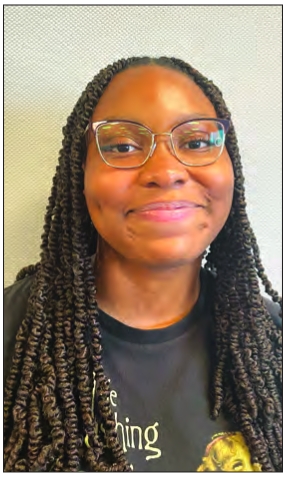
Shaniece Clarke
Throughout history, healers, medicine men, physicians and leeches were known by many names — but today, we call them doctors. Their primary responsibility is to treat and cure illnesses.
Yet, as with many systems shaped by historical inequalities, racism has long influenced health care practices, making it difficult for Black people to receive equitable treatment. Rooted in the false belief that race is a biological distinction, racial biases have led to disparities in patient-provider interactions, treatment decisions and health outcomes. Despite advancements in research debunking the notion of biological racial differences, racism remains embedded in the health care system, leaving many Black people feeling unsafe and underserved. The alarming rise in Black maternal mortality is just one devastating consequence.
The idea that race determines health outcomes has deep roots in pseudoscience. Myths such as “Black people are more likely to have asthma” or “Black people have stronger kidneys” were never scientifically grounded; instead, they ignored the impact of environmental factors, socioeconomic conditions and access to care.
These misconceptions persist today, influencing how Black patients are treated. A 2016 study published in The New England Journal of Medicine highlighted that 25 to 42% of medical students and residents at the University of Virginia believed false statements like “Black people’s skin is thicker than white people’s.” When such myths are still taught — or at least not actively refuted — biases continue to affect patient care in dangerous ways.
Historical mistreatment of Black people in medicine provides important context for today’s disparities. A striking example comes from the 1918 influenza pandemic, when many white physicians and public health officials falsely believed that Black people were immune to the virus. This racist misconception led to widespread neglect of Black communities, who were denied the same preventative care and treatment as their white counterparts. In reality, Black populations were often more vulnerable due to overcrowded living conditions, poor access to health care and systemic inequalities. Yet, the biased medical practices of the time worsened outcomes for many Black patients.
Similarly, books like “Medical Bondage: Race, Gender, and the Origins of American Gynecology” reveal how 19th-century physicians experimented on enslaved Black women without anesthesia, under the racist assumption that they had a higher pain tolerance. This legacy continues to influence how Black women’s pain is dismissed today, particularly during childbirth. A CDC report from 2021 showed that Black women are three times more likely to die from pregnancy-related causes than white women, with 84% of these deaths deemed preventable.
Many Black women have shared their fears of discrimination, stating that their concerns are often dismissed or minimized by health care providers.
This persistent fear has led many Black women to seek out Black OB-GYNs, hoping for empathetic care grounded in shared experiences. Dr. J’Leise Sosa, a Black OB-GYN, has spoken about how her patients often choose her to avoid becoming another statistic. Many express a fear of dying during childbirth or being ignored when raising valid concerns — a fear backed by systemic evidence.
Recent research highlights the tangible benefits of representation in medicine. A study in Oakland found that Black male patients paired with Black doctors were more likely to discuss additional health concerns, and Black physicians were more proactive in documenting patient needs. This underscores how trust, understanding and shared cultural experiences can lead to better outcomes.
Racism in health care is not just a relic of the past — it’s a systemic issue woven into the fabric of medical institutions. From myths of immunity during the 1918 flu pandemic to the ongoing dismissal of Black women’s pain, these biases continue to endanger Black lives. While dismantling these biases won’t happen overnight, action must be taken now to protect Black patients. Representation, culturally competent care and systemic reforms are critical steps toward ensuring every person receives the safe, equitable treatment they deserve.
Shaniece Clarke is a senior, dedicated to education and personal growth. She has enriched her learning through programs at Suffolk University, Yale Young Global Scholars, and Emerson College, while gaining experience with Teens in Print, NBCUniversal, the Museum of Science, and the Mayor’s Youth Council.