Glynn Lloyd, executive director of Mill Cities Community Investments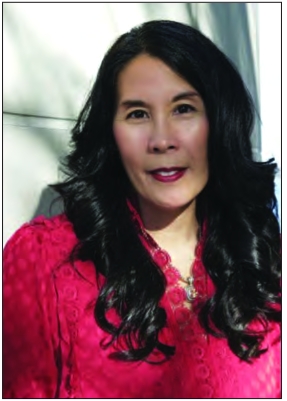
Betty Francisco, CEO of Boston Impact Initiative
Community development financial institutions, or CDFIs, have been a lifeline for local businesses in underserved communities for three decades. But when the nearly 100 CDFIs in Massachusetts have trouble accessing capital themselves, the whole pipeline suffers.
CDFIs support organizations in various markets and sectors, from housing projects to community organizations, by providing necessary capital to keep businesses running and growing. But a recent report from MassInc, a nonprofit focused on civic vitality, surveyed 22 CDFIs in the state and found that all of them have encountered challenges when securing funding, with 24% of survey respondents saying they’ve faced “significant challenges.”
Glynn Lloyd, executive director of Mill Cities Community Investments, said his institution is in constant need of capital — specifically unrestricted capital — as it has grown.
Unrestricted capital can be used by CDFIs for many different things,
whereas other sources of capital can only be allocated for designated
categories of investment.
The
majority of banks make their money through deposits, and those
institutions have the flexibility to lend out that money as they see
fit. CDFIs don’t have that “supply set,” Lloyd said.
“We
have to go and create relationships and negotiate term sheets with our
capital supply. And that’s where the restrictive stuff comes in,” he
said.
Last May, MCCI
launched a business equity investment fund set on addressing the racial
wealth gap and providing longer-term financing capital to Black and
Latino Massachusetts entrepreneurs.
CDFIs
have access to capital sources such as technical-assistance grants or
capital at below-market rates. But those sources are limited, and CDFIs
are always looking for unrestricted capital to diversify their funding
and sustain operations, leaders said.
“In
order to grow, we have to grow responsibly, and part of that is being
able to tap into different sources of philanthropic capital for
operations,” said Betty Francisco, CEO of Boston Impact Initiative. “If
it’s unrestricted, it’s better because then we could use it for lots of
different things.”
While
waiting for its official CDFI certification, BII has been a community
capital provider since 2013 and receives its capital from private and
community investors.
Those
who lend to CDFIs may set terms for how the money can be distributed,
such as what areas the funds must be invested in or how much a CDFI can
issue per loan.
Having
unrestricted capital also opens the doors for institutions to add new
staff, boost infrastructure or support philanthropy.
“There are all different levels of restrictions,” Lloyd said. “It’s like a jigsaw puzzle. The less restricted, the better.”
Francisco
said CDFIs are on the brink of a huge opportunity as more federal
funding is on the way, citing the Greenhouse Gas Reduction Fund as a
significant source of future funding for CDFIs.
In
April 2023, the U.S. Department of the Treasury announced plans to
invest $38 million into Massachusetts financial institutions to support
lending in low- and moderate-income communities.
But
with the influx of funding, Francisco said there must be work on the
part of CDFIs on how to effectively absorb the additional funding and
distribute it quickly.
“Part of that is being able to understand what your organization (needs) to grow and be able to respond,” Francisco said.
This story originally appeared in the Boston Business Journal.